




What's Happening?
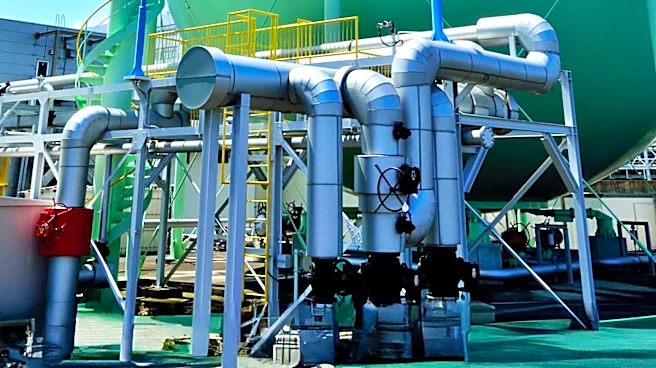
Columbia Gas Transmission has declared a Force Majeure on its Mountaineer XPress (MXP) Line-100 in West Virginia due to an unexpected mechanical issue. This restriction has reduced the affected pipeline capacity to zero, impacting approximately 1.8 million
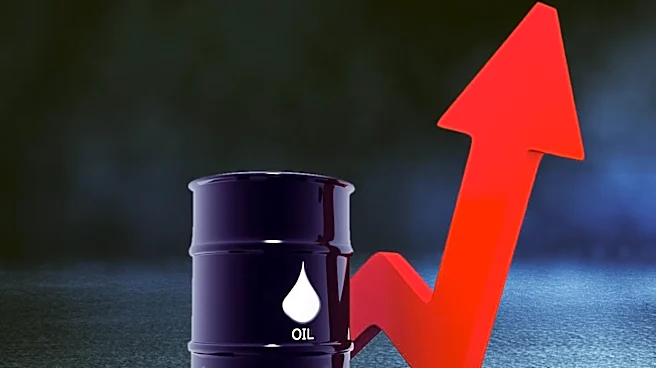
Dth/day of firm service. The MXP system, a significant Appalachian takeaway route with a capacity of about 2.7 Bcf/d, transports Marcellus and Utica gas through West Virginia to Columbia Gas Transmission's broader network. This disruption, which began with an immediate pressure reduction between the Mt. Olive Compressor Station and Saunders Creek Regulator Station, is tightening transportation availability for Appalachian natural gas. October natural-gas futures have already seen a 4.5% increase to $3.159/MMBtu on September 24, reflecting market concerns over constrained takeaway capacity. This incident coincides with another Force Majeure declared by DT Midstream on September 23 for Stonewall Gas Gathering delivery, further limiting regional transportation.
Why It's Important?
This disruption is significant for the U.S. natural gas market, particularly for the Appalachian region and downstream markets across the Midwest, Mid-Atlantic, and Southeast. The immediate consequence is an upward pressure on natural gas prices, as evidenced by the 4.5% rise in October futures. If affected volumes cannot be rerouted through alternative pipelines, Appalachian producers may face increased pressure to reduce output or find other transportation methods. The simultaneous constraints from both Columbia Gas Transmission and DT Midstream amplify the potential for regional basis pressure, meaning the price difference between regional hubs and national benchmarks could widen. This situation highlights the vulnerability of energy markets to infrastructure failures and the critical role of pipeline capacity in maintaining stable supply and pricing. Consumers in affected regions could see higher energy costs if the restrictions persist, impacting household budgets and industrial operations reliant on natural gas.
What's Next?
The market will closely monitor Columbia Gas Transmission's updates regarding the restoration of the MXP system and pipeline nominations as October trading commences. The duration of the MXP restriction will be a key factor influencing U.S. natural gas prices. A swift restoration would alleviate transportation pressure and potentially stabilize regional prices. Conversely, an extended outage could keep Appalachian gas constrained, leading to firmer regional prices. Producers will likely explore alternative pipeline availability and adjust production responses based on the evolving situation. The impact on physical production remains uncertain, as initial upstream receipts showed limited changes following the Force Majeure declaration. The ongoing nature of the DT Midstream Force Majeure further complicates the outlook, making the availability of alternative takeaway routes crucial for mitigating the effects of these simultaneous constraints.
Beyond the Headlines
This event underscores the broader challenges in maintaining and upgrading critical energy infrastructure in the U.S. The aging pipeline network and the increasing demand for natural gas, particularly from prolific regions like Appalachia, create a delicate balance. Unexpected mechanical issues, as seen with the MXP system, can have ripple effects across the entire energy supply chain, affecting not only prices but also the reliability of energy delivery. This situation could prompt renewed discussions about investment in pipeline infrastructure, regulatory oversight, and contingency planning for such disruptions. Furthermore, it highlights the interconnectedness of regional energy markets and the potential for localized issues to impact national pricing and supply dynamics. The incident also brings to light the operational complexities faced by energy companies in managing vast and intricate networks, emphasizing the need for robust maintenance and emergency response protocols to ensure energy security.