








What's Happening?
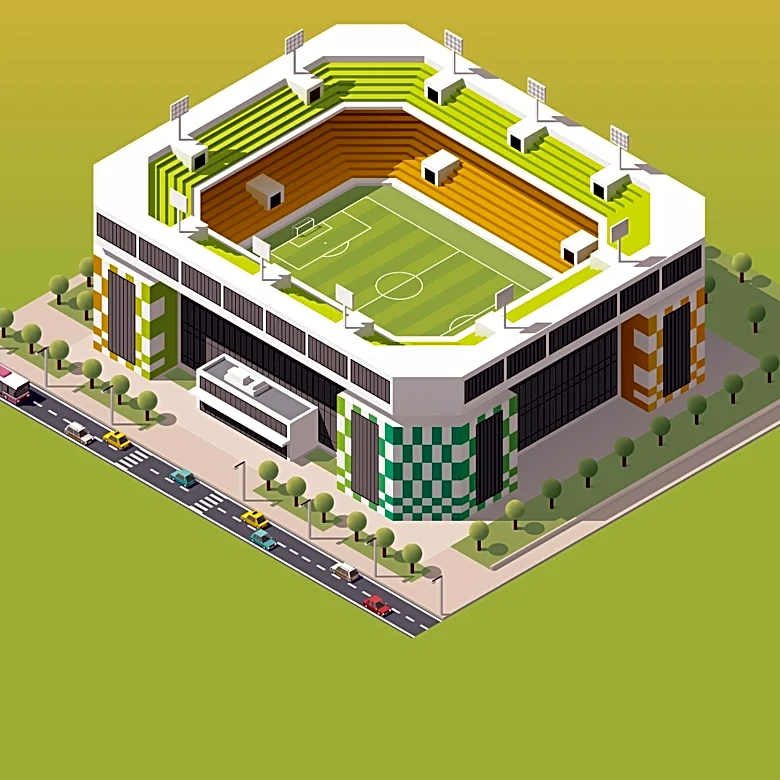
FIFA is investing millions of dollars in the development and maintenance of grass fields for the 2026 World Cup, which will be hosted across three countries with varying climates. The organization is collaborating with turf scientists to engineer 16 stadium
pitches, utilizing advanced technology such as robotic cleats, ball-launching machines, and stadium simulators. These efforts are aimed at ensuring the fields meet the high standards required for the world's largest sporting event. The University of Tennessee is one of the key locations where these innovations are being tested and refined. The grass is meticulously grown, tested, transported, and maintained to provide optimal playing conditions for the tournament.
Why It's Important?
The investment in high-quality grass fields is crucial for the success of the 2026 World Cup, as the playing surface significantly impacts the performance and safety of the athletes. By ensuring top-notch field conditions, FIFA aims to enhance the overall experience for players and spectators alike. This initiative also highlights the importance of technological advancements in sports infrastructure, showcasing how innovation can improve traditional aspects of the game. The economic impact is substantial, as the World Cup attracts billions of viewers and generates significant revenue for host countries, boosting tourism and local economies.
What's Next?
As preparations continue, FIFA will likely monitor and adjust the maintenance of these fields to adapt to the specific needs of each location. The organization may also face scrutiny regarding the environmental impact of such extensive turf management, prompting potential discussions on sustainability practices. Stakeholders, including local governments and environmental groups, might engage in dialogue to ensure that the benefits of hosting the World Cup are balanced with ecological considerations.