

What's Happening?
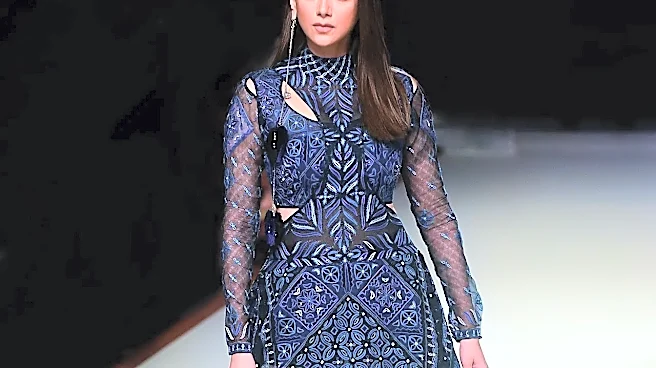
Cobalt blue is being highlighted as a significant and pervasive color trend across multiple fashion seasons, specifically for Fall/Winter 2026 and Spring/Summer 2027 runways. Despite Pantone's declaration of 'Cloud Dancer' (a creamy white) as the color of 2026,
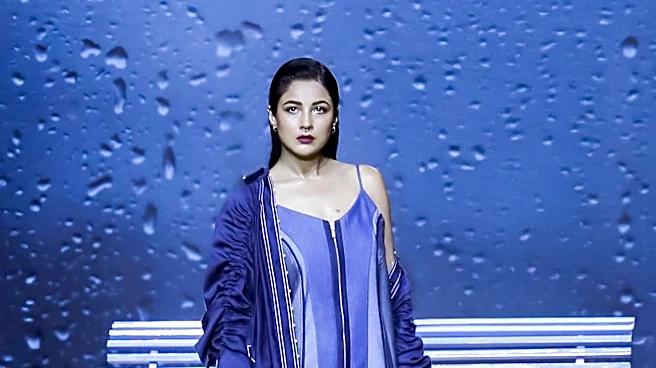
runway shows indicate a strong preference for the electric hue of cobalt blue. Numerous prominent brands showcased cobalt blue in their Fall/Winter 2026 collections, including Bottega Veneta, which featured a feather-textured take on the color, and Chanel, which incorporated it into wool and tweed. Givenchy explored cobalt across outerwear, dresses, and leather, while Julie Kegels experimented with different shades. Other notable designers and houses like Akris, Loewe, Mugler, Prabal Gurung, Stella McCartney, and Victoria Beckham also prominently featured cobalt blue. This widespread adoption across diverse collections suggests that cobalt blue will be a dominant color in fashion for the foreseeable future, appearing in various forms from shoes and bags to clothing and jewelry.
Why It's Important?
The widespread adoption of cobalt blue as a dominant color trend for Fall/Winter 2026 and Spring/Summer 2027 holds significant implications for the fashion industry and consumer markets. A strong, consistent color trend across multiple seasons provides clear direction for designers, manufacturers, and retailers, influencing everything from fabric production to marketing campaigns. For consumers, the prevalence of cobalt blue means an abundance of options in this hue, making it easier to incorporate into their wardrobes. This trend can drive sales in apparel, accessories, and even home goods as the color permeates various product categories. The fact that it is being embraced by both luxury brands and more accessible labels suggests its broad appeal and potential for commercial success. Furthermore, a vibrant color like cobalt blue can inject a sense of optimism and energy into fashion, potentially influencing consumer mood and purchasing behavior. Its versatility, appearing in different textures and garment types, ensures its longevity and adaptability across diverse styles.
What's Next?
Given its strong presence on the Fall/Winter 2026 and Spring/Summer 2027 runways, cobalt blue is expected to become a ubiquitous color in fashion retail in the coming months. Consumers can anticipate seeing a wide array of cobalt blue products, from high-end designer pieces to more affordable fast-fashion items, across all categories including clothing, footwear, handbags, and jewelry. Fashion publications and stylists will likely feature cobalt blue prominently in their editorials and recommendations, further solidifying its status as a must-have color. Brands will continue to innovate with the hue, exploring different textures, materials, and silhouettes to keep the trend fresh and appealing. The sustained popularity of cobalt blue could also influence interior design and other lifestyle sectors, as color trends often transcend fashion. Its continued presence on future runways will be closely watched to determine its long-term staying power beyond 2027.
Beyond the Headlines
The emergence of cobalt blue as a dominant trend, despite Pantone's official color of the year, highlights the dynamic and sometimes divergent nature of trend forecasting within the fashion industry. While Pantone's selections often influence broader design, runway trends, driven by leading designers, can carve out their own powerful narratives. This divergence underscores the artistic autonomy of high fashion and its ability to set its own agenda. Culturally, the choice of a bold, electric color like cobalt blue could reflect a collective desire for vibrancy and optimism in uncertain times, serving as a visual antidote to more subdued palettes. Psychologically, blue is often associated with stability and calm, but its 'electric' iteration suggests a more energetic and forward-looking sentiment. The widespread adoption across diverse brands also speaks to a shared aesthetic sensibility among designers, indicating a broader shift in taste that transcends individual creative visions and points to a collective mood within the industry.