






What's Happening?
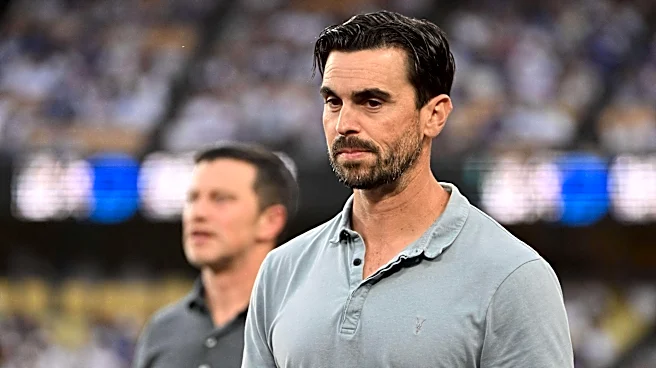
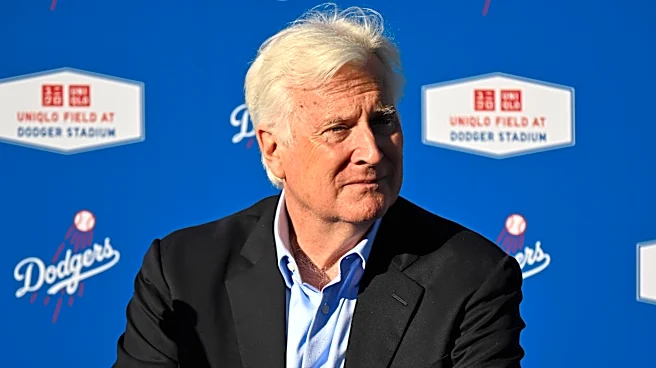
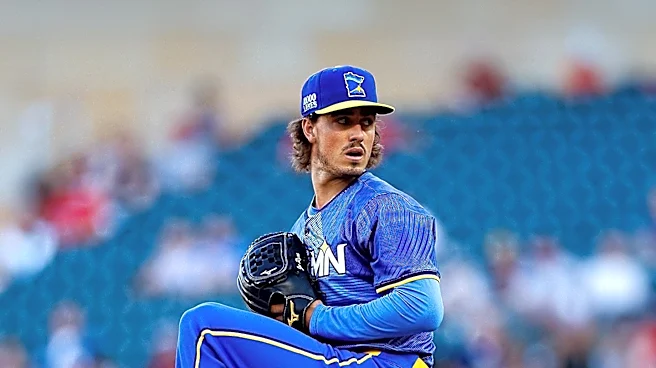
The Los Angeles Dodgers are reportedly keen on acquiring pitcher Tarik Skubal, but their aggressive pursuit is contingent on Skubal agreeing to a contract structure similar to Kyle Tucker's recent deal. According to The Athletic's Katie Woo, the Dodgers'
front office, led by Andrew Friedman, is hesitant to commit to a long-term, high-value contract, such as a 10-year, $400 million deal, which some analysts predict for Skubal. Instead, the Dodgers would prefer a shorter-term, high Average Annual Value (AAV) contract with potential opt-outs, mirroring Tucker's four-year, $240 million agreement that includes an opt-out after the second year. This approach aligns with Friedman's strategy of maintaining a competitive window without being burdened by excessively long and expensive commitments. The Dodgers have historically been a top destination for elite players, having signed Edwin Diaz and Kyle Tucker last season, and are expected to be major players in the free-agent market.
Why It's Important?
This development highlights a significant trend in MLB contract negotiations, where teams like the Dodgers are prioritizing financial flexibility and shorter-term, high-impact deals over traditional long-term mega-contracts. For players like Tarik Skubal, this means a potential trade-off between long-term security and a higher annual salary with the option to re-enter free agency sooner. The Dodgers' stance could influence how other top free agents approach their contract negotiations, potentially shifting the market towards more player-friendly opt-out clauses and higher AAVs in shorter deals. This strategy allows teams to manage financial uncertainty, especially with the Collective Bargaining Agreement (CBA) expiring, and adapt to evolving team needs. For the Dodgers, securing Skubal under such terms would strengthen their rotation without compromising future financial maneuverability, crucial for sustaining their competitive edge in a highly competitive league.
What's Next?
The immediate next step involves Tarik Skubal's decision regarding his contract preferences. If Skubal is open to a deal similar to Kyle Tucker's, the Dodgers are expected to be fierce competitors for his services. Insiders and analysts have projected Skubal's next contract to range between $350 million and $500 million, depending on its length and structure. Should Skubal agree to a shorter, high-AAV deal with opt-outs, it would likely shatter previous records for AAV and potentially set a new precedent for top-tier pitchers. Conversely, if Skubal insists on a traditional long-term contract, the Dodgers might temper their pursuit, potentially opening the door for other teams. The outcome of these negotiations will significantly impact the Dodgers' pitching rotation for the upcoming seasons and could influence the broader MLB free-agent market.
Beyond the Headlines
The Dodgers' preference for a contract structure like Kyle Tucker's reflects a deeper strategic shift in how elite baseball organizations manage talent and finances. This approach moves beyond simply acquiring the best players to optimizing their contracts for maximum competitive advantage and financial agility. By offering high AAVs with opt-outs, teams can attract top talent while mitigating the long-term risks associated with player performance decline or injury. This also empowers players by giving them more control over their careers and the ability to capitalize on future market value. The emphasis on 'net present value' in Tucker's deal suggests a sophisticated financial analysis at play, aiming to maximize value for both the player and the team within a dynamic economic landscape. This trend could lead to more frequent high-stakes free agency periods for star players, as they leverage opt-out clauses to secure new, even more lucrative deals.