



What's Happening?
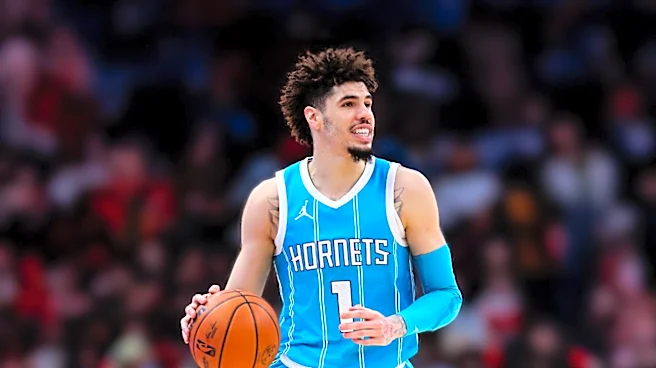
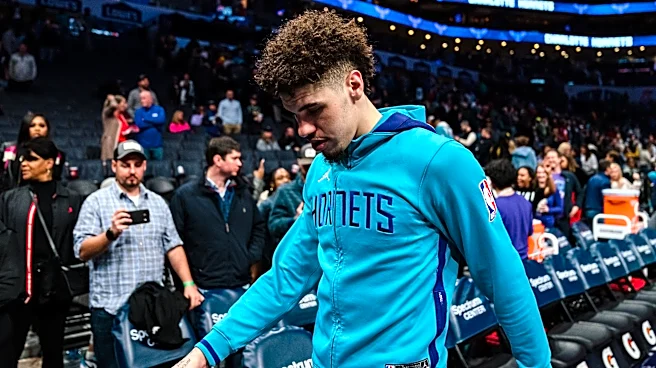
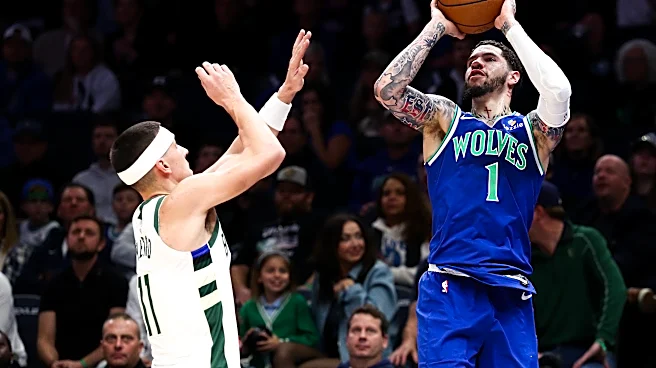
Former NBA player Gilbert Arenas has voiced his surprise regarding LaMelo Ball's off-court persona and its potential impact on his endorsement opportunities. Arenas, speaking on 'Gil’s Arena,' stated that given Ball's family background, including his prominent
father LaVar Ball and two brothers who also played basketball, he expected LaMelo to have a more refined image. Arenas specifically mentioned Ball's tattoos, recent on-court spitting incident, past fines for obscene gestures, and frequent use of foul language in interviews. While these behaviors have contributed to Ball's popularity among younger fans and his 'icon' status, Arenas believes they have cost him lucrative partnerships with high-end brands like Louis Vuitton, which typically collaborate with individuals who maintain a 'clean' and business-oriented image. Jarred Jeffries suggested that Ball's unconventional path to the NBA, playing in Lithuania and Australia instead of college, might be a factor in his unrefined personality.
Why It's Important?
This commentary from Gilbert Arenas highlights a significant aspect of modern professional sports: the intersection of athletic talent, personal brand, and marketability. For athletes, especially in high-profile leagues like the NBA, their image extends beyond their on-court performance and directly influences their earning potential through endorsements and sponsorships. Arenas's remarks suggest that while LaMelo Ball's 'unfiltered' persona resonates with a segment of the audience, it may be alienating more traditional or luxury brands seeking ambassadors with a polished image. This situation underscores the delicate balance athletes must strike between authenticity and commercial appeal, and how choices regarding personal expression can have substantial financial implications. The discussion also touches on the role of family influence and developmental pathways (college vs. international leagues) in shaping an athlete's professional demeanor.
What's Next?
LaMelo Ball's future marketability will likely depend on whether he chooses to adjust his public image or if brands become more accepting of diverse athlete personas. If Ball continues his current approach, he may continue to attract certain types of endorsements while potentially missing out on others. Conversely, if he were to refine his public conduct, he might open doors to a broader range of brand partnerships. The ongoing debate among sports commentators and former players like Arenas and Jeffries could also influence public perception and put pressure on Ball to consider the long-term implications of his actions. This situation could also prompt other young athletes and their agents to more carefully consider the strategic management of their personal brands from early in their careers.
Beyond the Headlines
The discussion surrounding LaMelo Ball's image delves into broader cultural shifts regarding celebrity, authenticity, and corporate branding. In an era where social media amplifies every action, athletes face increased scrutiny and pressure to maintain a certain image. Arenas's comments reflect a more traditional view of athlete professionalism, where a 'clean' image was paramount for securing top-tier endorsements. However, there's also a growing trend of brands embracing athletes who embody a more 'real' or unconventional persona, appealing to different demographics. This situation with Ball could serve as a case study for how the sports endorsement landscape is evolving, balancing the desire for authenticity with the demands of corporate partnerships. It also raises questions about the role of mentorship and guidance for young athletes navigating the complexities of fame and fortune.