










What's Happening?
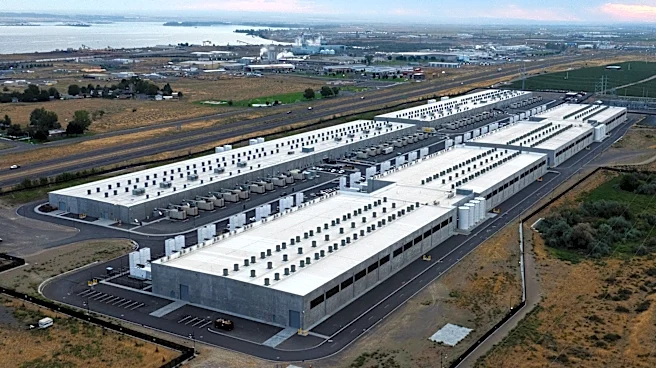
Georgia Power is facing backlash from homeowners in Georgia as it plans to build a new transmission line to support the growing demand for power, particularly for new data centers. The utility company estimates that 70-80% of the power from the new line will
be allocated to these data centers, with the remainder serving residential and commercial needs. This expansion requires the acquisition of over 300 parcels of land, including residential properties. Ansley Brown, whose childhood home is affected, expressed her family's distress over losing their property, which they hoped would serve as generational wealth. Brown's family, like others, is being pressured to sell their home, with the threat of eminent domain being used as a last resort. Georgia Power claims it has been transparent and negotiated in good faith, but affected residents feel otherwise, describing the process as akin to theft.
Why It's Important?
The situation highlights the tension between infrastructure development and individual property rights. As the demand for data centers grows, driven by the AI boom, utility companies like Georgia Power are under pressure to expand their capacity. This often involves difficult decisions about land use and can lead to conflicts with local communities. The use of eminent domain, while legal, is controversial and can be perceived as prioritizing corporate interests over those of individual homeowners. The outcome of this situation could set a precedent for how similar cases are handled in the future, impacting both the energy sector and property rights advocacy.
What's Next?
Georgia Power will continue its efforts to acquire the necessary land for the transmission line, potentially resorting to eminent domain if negotiations fail. The affected homeowners, including Ansley Brown's family, may seek legal recourse or public support to challenge the utility's actions. The broader community and advocacy groups might also become involved, raising awareness and possibly influencing public policy on eminent domain use. Georgia Power's approach and the public's response could shape future infrastructure projects and the balance between development and property rights.
Beyond the Headlines
This case underscores the ethical and social implications of infrastructure expansion in the digital age. As technology companies and data centers proliferate, the demand for energy and land will continue to rise, potentially leading to more conflicts with local communities. The situation raises questions about the fairness of eminent domain laws and the responsibilities of corporations to the communities they impact. It also highlights the need for transparent and equitable processes in land acquisition, ensuring that the voices of affected residents are heard and respected.