


What's Happening?
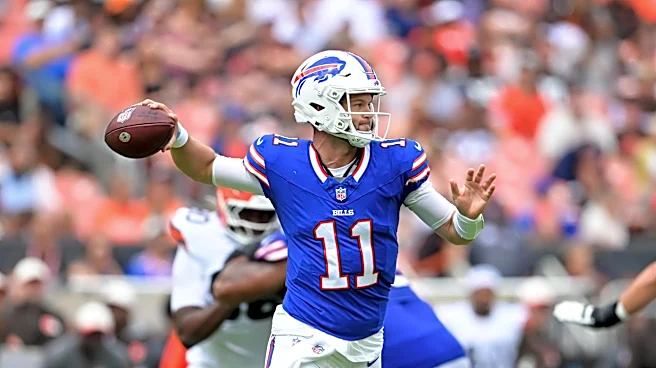
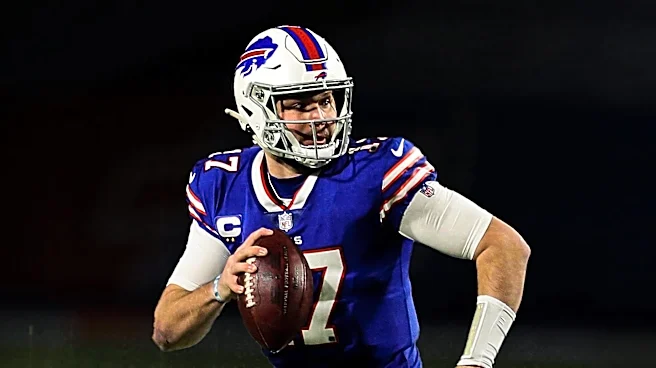
Buffalo Bills quarterback Josh Allen has publicly voiced his strong preference for natural grass playing surfaces over artificial turf, citing significant physical strain and recovery issues. Allen, known for his aggressive playing style, revealed that
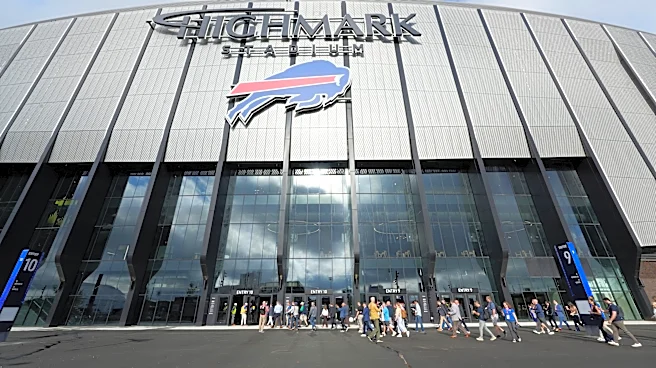
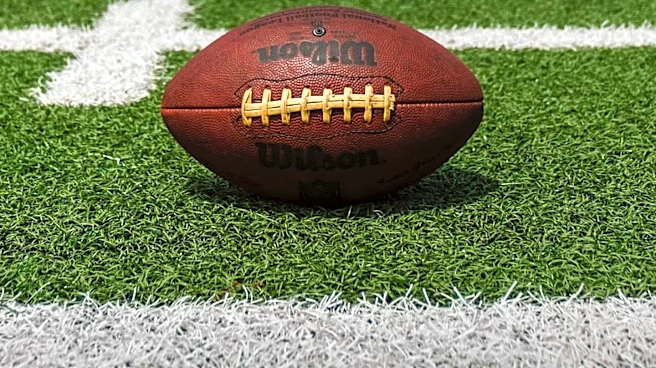
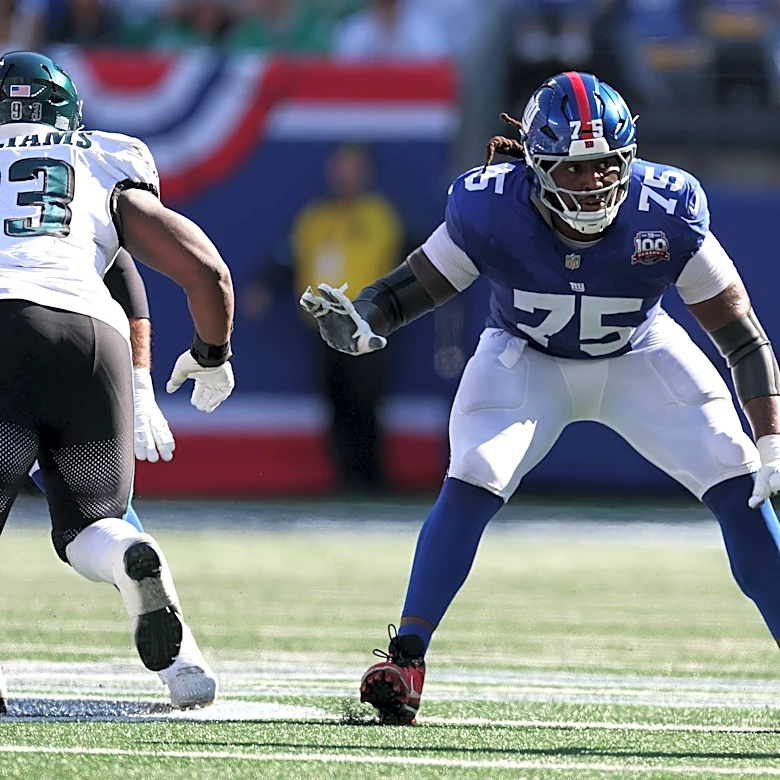
playing on artificial turf causes painful burns that disrupt his sleep and overall recovery. He emphasized that many NFL players share this sentiment, believing natural grass is healthier and helps prevent injuries. The newly constructed Highmark Stadium, home to the Buffalo Bills, features a natural grass surface, which Allen appreciates for home games. This stance aligns with a broader concern among NFL players regarding the impact of artificial turf on their bodies, a debate that has intensified with studies indicating higher injury rates on artificial surfaces.
Why It's Important?
Josh Allen's comments highlight a critical player welfare issue within the NFL, bringing renewed attention to the long-standing debate between natural grass and artificial turf. As a prominent and durable quarterback, his personal testimony about the physical toll of turf adds significant weight to the argument for safer playing conditions. This issue impacts not only player health and career longevity but also the quality of play and team performance across the league. Higher injury rates on artificial turf, as supported by studies, can lead to more missed games by key players, affecting team competitiveness and potentially the financial investments made in player contracts. The move by FIFA to replace artificial turf with natural grass for World Cup matches in U.S. stadiums further underscores the perceived benefits of grass, putting pressure on the NFL to re-evaluate its field standards for the well-being of its athletes.
What's Next?
The NFL is expected to continue monitoring the issue of playing surfaces, focusing on field testing, consistency, and surface-quality standards. While some stadiums, like the Bills' new Highmark Stadium, are adopting natural grass, a complete league-wide transition faces challenges due to the multi-purpose nature of many NFL venues, which host various events beyond football. Player advocacy, led by figures like Josh Allen and others such as George Kittle, Caleb Williams, and Travis Kelce, will likely persist, pushing for more natural grass fields. This ongoing pressure could lead to further studies, policy changes, or incentives for teams to install natural grass, potentially influencing future stadium designs and maintenance protocols across the league. The debate will continue to evolve as player safety remains a paramount concern.
Beyond the Headlines
The discussion around playing surfaces extends beyond immediate injury concerns to broader ethical and economic implications for professional sports. The NFL's reliance on artificial turf in many stadiums, despite player complaints and scientific evidence suggesting higher injury risks, raises questions about the league's commitment to player welfare versus operational convenience and cost. The economic aspect is significant, as artificial turf fields are often easier and cheaper to maintain for multi-use stadiums. However, the long-term costs associated with player injuries, including medical expenses, rehabilitation, and potential loss of star talent, could outweigh these savings. This issue also touches upon the cultural aspect of football, where the physical demands of the game are immense, and ensuring the safest possible environment is crucial for the sport's integrity and the athletes' well-being. The push for natural grass reflects a growing awareness of the human cost of athletic performance.