






What's Happening?
Dr. Vonda Wright, an orthopedic surgeon, suggests that walking, while inherently beneficial for health and longevity, can be made more challenging to yield greater benefits, especially for healthy aging. According to TODAY.com, she advocates for the principle
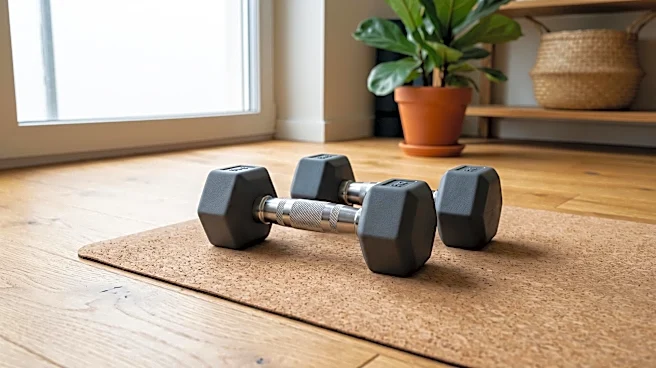
of progressive overload, which involves gradually increasing the intensity, duration, or resistance of a workout. For walking, this means extending the time or distance, increasing speed, walking on an incline, or adding weight. Research indicates that even 11 minutes of walking daily can reduce chronic disease risk and extend lifespan. However, applying progressive overload can transform a regular walk into a more robust workout, improving endurance, strength, and overall longevity. Increasing walk duration helps burn more calories and may lower the risk of death, while faster speeds enhance cardiovascular health. Adding weight strengthens muscles and can improve bone density, crucial for aging.
Why It's Important?
This guidance is important for public health and individual well-being, particularly for the aging U.S. population. As walking is a free, accessible, and low-impact activity, Dr. Wright's recommendations provide a practical framework for individuals to maximize its health benefits without needing specialized equipment or gym memberships. By emphasizing progressive overload, the advice encourages a sustained approach to fitness, moving beyond basic activity to more impactful exercise. This can lead to a reduction in chronic diseases, improved cardiovascular health, and enhanced bone density, potentially lowering healthcare costs and improving quality of life for many Americans. The focus on healthy aging also addresses a critical demographic shift, promoting active lifestyles that support independence and vitality in later years.
What's Next?
Individuals can begin by gradually incorporating these progressive overload techniques into their walking routines. Dr. Wright advises starting with small increases, such as adding five to ten minutes to a walk, increasing pace to a brisk walk (3-4 mph), or using light weights. It is recommended to change only one variable at a time and consult a doctor before altering exercise routines, especially for those with underlying health conditions. The continued adoption of these strategies could lead to a healthier, more active population, potentially influencing public health campaigns and fitness programs to promote more challenging walking regimens. Fitness product manufacturers might also see increased demand for items like weighted vests or ankle weights.