





What's Happening?
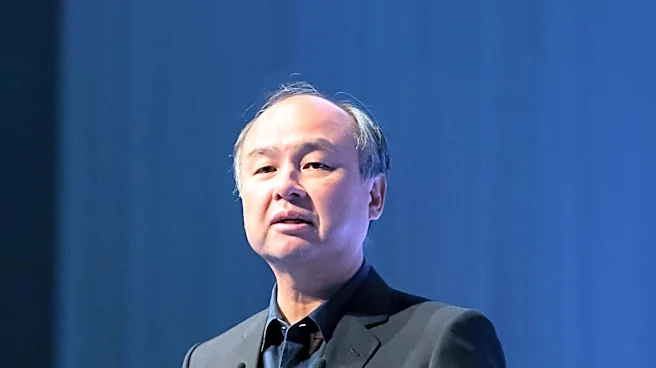
SoftBank Group Corp. is actively exploring opportunities to invest in AI data centers and related digital infrastructure in Vietnam. This interest was conveyed by SoftBank representatives during a meeting with General Secretary and President To Lam in Tokyo.
SoftBank's current strategy is centered on four key areas of AI models and applications: a strategic partnership with OpenAI, semiconductor technology through ARM, AI infrastructure including data centers and computing capacity (notably the Stargate project), and physical AI and robotics. The group is keen on collaborating with Vietnamese partners to develop rapidly deployable power solutions, connectivity, technology cooperation, human resources development, and innovation ecosystems to serve both Vietnam and regional markets. General Secretary and President Lam praised SoftBank's long-term vision and its ability to identify breakthrough technology trends, expressing hope that SoftBank would become a partner in developing Vietnam's AI infrastructure and technology ecosystem, thereby strengthening Vietnam-Japan cooperation.
Why It's Important?
SoftBank's potential investment signifies a major boost for Vietnam's aspirations to become a regional AI and technology hub. Such large-scale investments in AI infrastructure are crucial for national digital transformation, enabling advanced computing capabilities necessary for various industries, from finance to healthcare. For SoftBank, expanding into Vietnam aligns with its global strategy to invest in emerging AI markets and leverage its expertise in building comprehensive AI ecosystems. This collaboration could bring significant foreign direct investment, advanced technology transfer, and job creation in high-tech sectors to Vietnam. It also underscores the growing global competition to establish robust AI infrastructure, with countries like Vietnam actively seeking partnerships to accelerate their technological development. The emphasis on human resources development within the cooperation plans highlights the long-term vision to build a skilled workforce capable of designing, operating, and mastering AI infrastructure systems, which is vital for sustainable technological growth.
What's Next?
General Secretary and President Lam has urged SoftBank to systematically study the development of large-scale AI data centers in Vietnam, aiming for an integrated AI infrastructure ecosystem rather than isolated facilities. This will require clear technology solutions, power supply plans, phased development scales, and comprehensive connectivity solutions. The focus will also be on developing human resources, including engineers and experts, to manage these advanced systems. Vietnam has pledged to continue administrative reforms and improve its investment and business environment to safeguard investors' rights and interests, signaling a supportive regulatory landscape for SoftBank's potential ventures. The next steps will likely involve detailed feasibility studies, partnership agreements, and the formulation of concrete project plans between SoftBank and Vietnamese entities, with a focus on creating a sustainable and integrated AI ecosystem that can serve both domestic and regional demands.
Beyond the Headlines
This potential partnership extends beyond mere financial investment; it represents a strategic alignment between a global technology giant and a rapidly developing nation aiming to leapfrog in the digital economy. The development of a comprehensive AI infrastructure ecosystem in Vietnam, supported by SoftBank, could position the country as a significant player in the global AI landscape. This could attract further foreign investment in related technology sectors, fostering a vibrant innovation ecosystem. Furthermore, the emphasis on human capital development suggests a long-term commitment to building indigenous capabilities, reducing reliance on external expertise over time. This initiative could also serve as a model for other developing nations seeking to build their AI capabilities, demonstrating how strategic international partnerships can accelerate technological advancement and economic growth. The success of such a venture could also influence regional technology trends and supply chains, potentially shifting the balance of technological power in Southeast Asia.