




What's Happening?
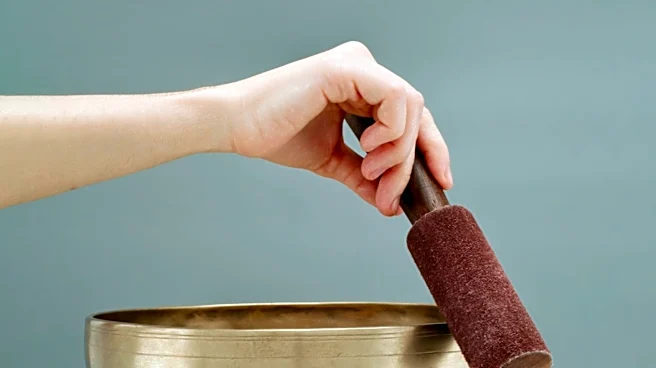
Corporate sound baths are gaining traction as a new approach to workplace wellness in the U.S. These sessions involve a facilitator playing instruments like crystal bowls, gongs, and chimes, allowing employees to relax and listen. Unlike traditional meditation,
sound baths require no active participation, specific skills, or performance from employees, making them a low-demand option for stress reduction. Companies such as Dream Lotus are bringing these sessions directly into offices, handling all logistics to simplify implementation for HR teams. The practice is rooted in ancient sound healing traditions and is now being evaluated against modern workplace metrics like absenteeism and retention. Small clinical studies have indicated that participants report reduced tension and anxiety after these sessions, though researchers note the evidence is preliminary. This trend signifies a shift in corporate wellness towards options that do not demand vulnerability or performance from employees, making it accessible to a diverse workforce.
Why It's Important?
The rise of corporate sound baths is important because it reflects a changing landscape in U.S. workplace wellness, moving beyond conventional programs to address employee stress and burnout more effectively. By offering a low-demand, non-participatory relaxation method, companies can cater to a broader range of employees, including those who might be hesitant to engage in more active wellness activities. This approach can lead to significant benefits for both employees and employers. Employees stand to gain from reduced stress, improved focus, better morale, and emotional balance, which can help prevent burnout. For companies, these benefits can translate into increased productivity, reduced absenteeism, and improved employee retention, as visible investment in unique wellness perks signals a strong commitment to staff well-being. This trend could influence how U.S. businesses design their wellness strategies, prioritizing accessible and impactful interventions that foster a calmer and more engaged workforce.
What's Next?
As corporate sound baths continue to gain ground, more U.S. organizations are expected to investigate and integrate these sessions into their broader employee wellness programs. The focus will likely be on further evaluating their impact on workplace metrics such as productivity, absenteeism, and retention. Companies like Dream Lotus will continue to offer turnkey solutions, making it easier for businesses to implement these programs without significant internal infrastructure changes. The trend suggests a future where workplace wellness initiatives prioritize ease of access and minimal employee effort, potentially leading to the development of other similar low-demand wellness offerings. Additionally, as the evidence base for the benefits of sound baths grows, there may be increased adoption across various industries, influencing how employee well-being is addressed in corporate settings nationwide.
Beyond the Headlines
The adoption of corporate sound baths highlights a deeper cultural shift in the U.S. workplace, acknowledging the pervasive issue of chronic stress and the need for innovative, non-traditional solutions. This trend moves beyond superficial wellness perks, tapping into ancient healing practices to address modern-day mental health challenges. It underscores a growing recognition that employee well-being is not solely about physical health but also mental and emotional states. The low-demand nature of sound baths challenges conventional notions of productivity, suggesting that intentional periods of rest and mental clarity can be more beneficial than constant engagement. This could lead to a re-evaluation of workplace norms, encouraging environments that prioritize restorative practices and holistic well-being, ultimately fostering a more compassionate and sustainable work culture across the U.S.