

What's Happening?
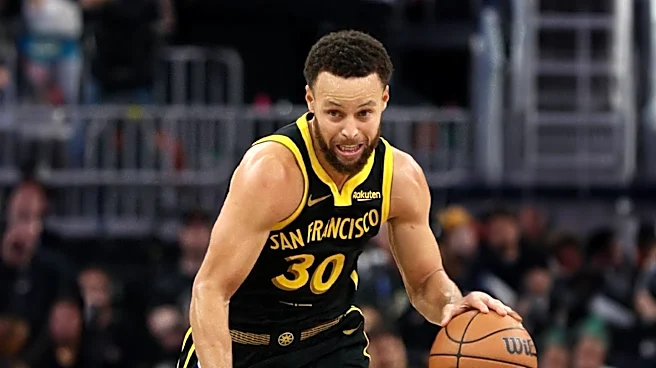
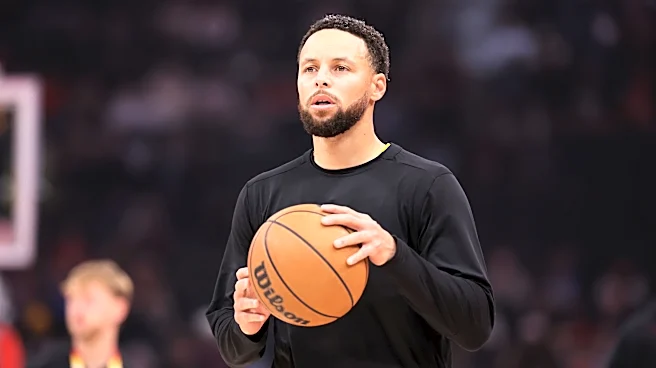
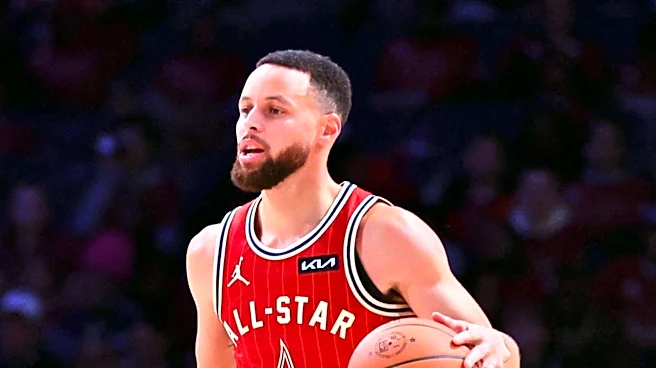
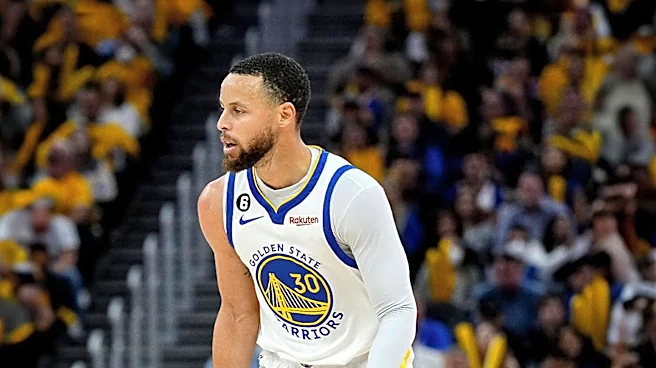
Stephen Curry, the Golden State Warriors star, is confronting the physical toll of his NBA career, revealing cartilage deterioration in his right knee. At 38 years old, Curry has significantly altered his training regimen and reduced his playing minutes
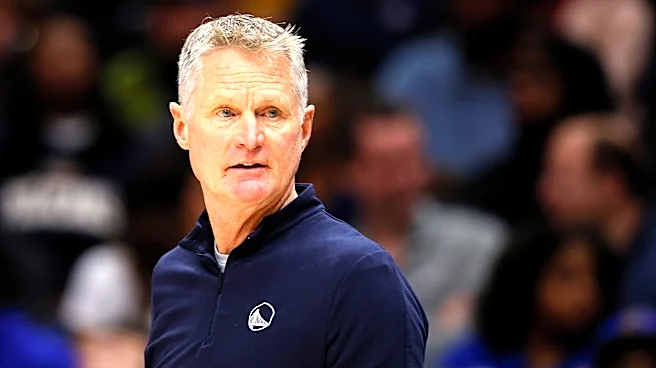
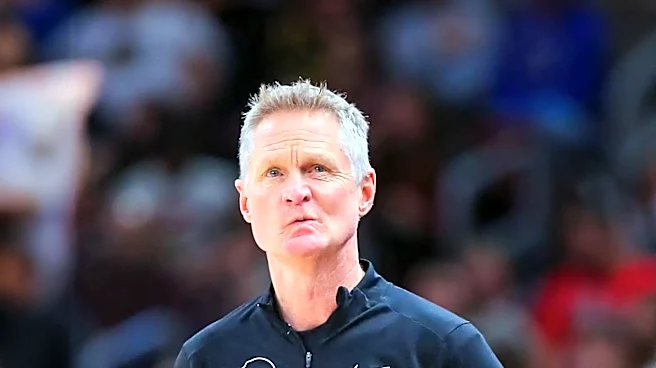
due to accumulated wear and tear. This issue became prominent after a 27-game absence last season due to severe right knee pain. Initially diagnosed as patellofemoral pain syndrome, Curry later disclosed that the condition involved a bone bruise caused by deteriorated cartilage, which placed undue pressure on parts of the joint. This medical reality has led to a mandate from Rick Celebrini, the Warriors' lead medical decision-maker, to reduce the intensity of his workouts. Curry is now limited to approximately 28 minutes per game, is barred from playing both ends of back-to-back games, and the team's offensive system has been redesigned to lessen his court coverage. Head coach Steve Kerr noted that the current NBA game is more physically demanding compared to previous eras, making it harder for older guards to maintain their previous level of play.
Why It's Important?
This development is significant for the Golden State Warriors and the broader NBA landscape. Stephen Curry's reduced playing time and altered role could impact the Warriors' competitiveness and strategic approach. As a foundational player and the architect of the 3-point revolution, his physical limitations necessitate a shift in team dynamics and offensive schemes. For the NBA, it highlights the increasing physical demands on veteran players and the challenges of career longevity in a high-intensity sport. Curry's willingness to adapt to a more complementary role to prioritize winning, despite his superstar status, sets a precedent for other aging athletes. This situation also underscores the importance of sports medicine and player management in extending careers, as evidenced by the Warriors' medical staff implementing strict protocols to preserve Curry's health and effectiveness.
What's Next?
Looking ahead, Stephen Curry's career trajectory will likely involve continued adjustments to his training and on-court role. Having signed a two-year, $116 million contract extension that he anticipates might be his last, Curry is preparing for the eventual end of his playing career. His focus remains on winning, even if it means taking on a less prominent role, which suggests a potential shift in leadership dynamics within the Warriors. The team will need to continue adapting its strategies to maximize Curry's efficiency within his new minute restrictions and physical capabilities. This could involve greater reliance on younger talent and a more balanced offensive attack. Curry's journey will be closely watched as he navigates the final stages of a legendary career, potentially influencing how other NBA stars approach their twilight years in the league.
Beyond the Headlines
Beyond the immediate impact on the Warriors, Stephen Curry's situation raises broader discussions about athlete longevity, the psychological aspects of aging in professional sports, and the evolving nature of NBA play. His candidness about cartilage deterioration and the need to adapt challenges the perception of invincibility often associated with elite athletes. It also highlights the ethical considerations for teams in managing aging stars, balancing competitive aspirations with player well-being. Curry's willingness to accept a reduced role for the sake of team success offers a powerful narrative about ego versus legacy, potentially influencing how future generations of superstars approach their later careers. This scenario also underscores the advancements in sports science and medicine, which, while extending careers, cannot entirely halt the inevitable physical decline that comes with age and sustained high-level performance.