

What's Happening?
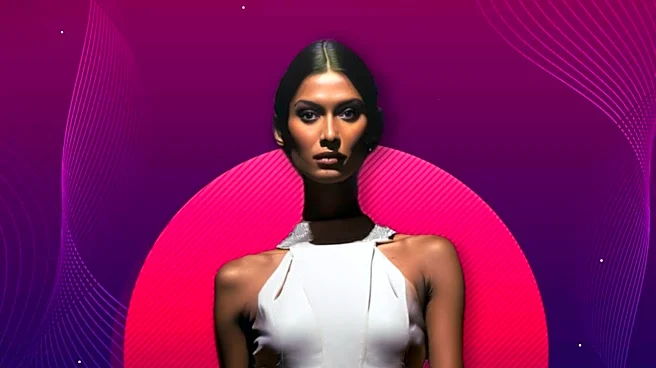
The fashion industry is undergoing a significant transformation with the emergence of digital avatar models. These avatars are digital representations that capture the essence of a model without requiring a physical presence. They can be customized to represent diverse
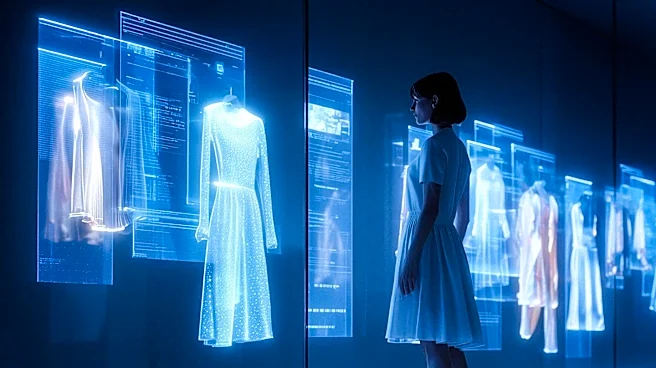
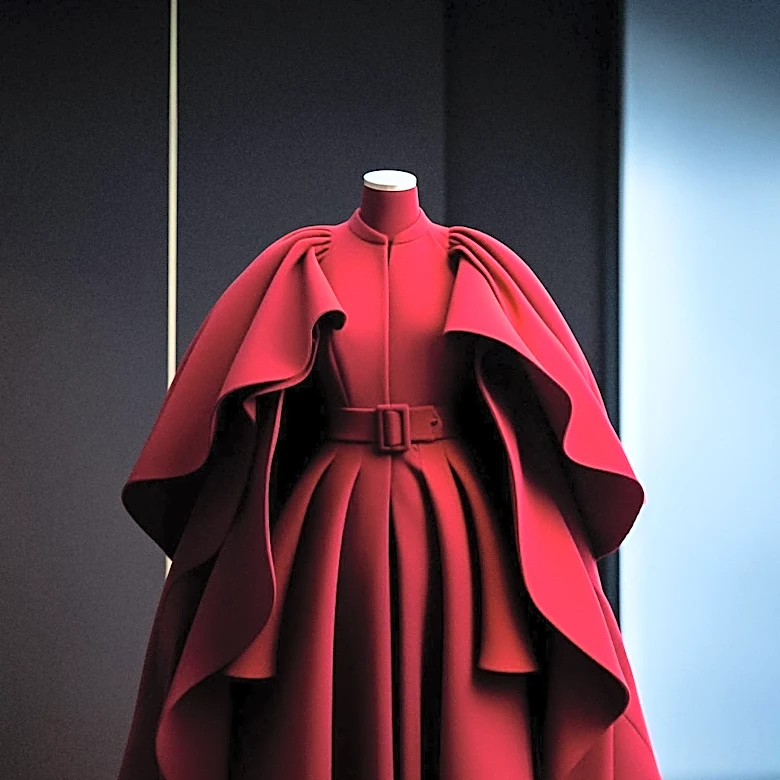
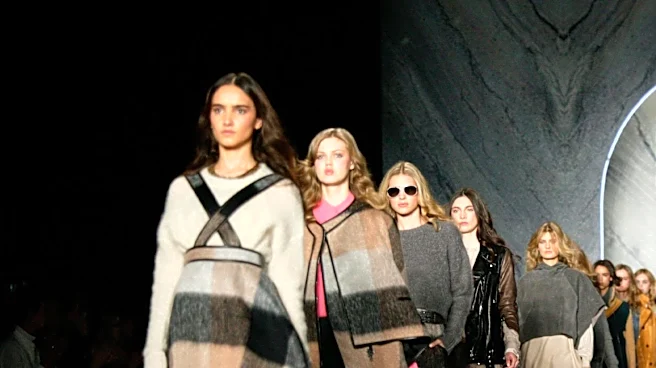
body types, ethnicities, and styles, promoting greater inclusivity in fashion. The creation of these avatars involves advanced technologies such as 3D modeling software for realistic digital replicas and motion capture to animate lifelike movements. Virtual reality (VR) and augmented reality (AR) are also being utilized to create immersive experiences where consumers can interact with these digital models in real-time. This technological shift allows brands to showcase clothing in digital spaces, offering remote accessibility, interactive elements, and a more sustainable alternative to traditional fashion events. Photogenics Media, for instance, is integrating these avatar models into various marketing strategies, collaborating with brands to create unique brand storytelling and engaging with audiences on social media platforms.
Why It's Important?
The adoption of digital avatar models holds significant implications for the U.S. fashion industry and its stakeholders. For brands, it offers enhanced flexibility and cost-effectiveness by eliminating expenses associated with traditional photoshoots, such as travel and physical setups. This allows for more efficient budget allocation and rapid campaign launches. The ability to customize avatars for diverse representation can help brands connect with a broader consumer base, fostering inclusivity and potentially increasing market reach. Furthermore, the use of VR and AR in showcasing collections creates new avenues for marketing and consumer engagement, allowing brands to reach a global audience and gather valuable data on viewer interaction. This shift also presents a more sustainable alternative to traditional fashion events, reducing the environmental impact associated with extensive travel and resource consumption, which aligns with growing consumer demand for eco-friendly practices.
What's Next?
The role of digital avatar models in the fashion industry is expected to expand significantly with the continued advancement of VR and AR technologies. Brands are likely to further invest in creating immersive experiences, such as virtual fashion shows and interactive shopping environments, where consumers can engage directly with avatars. This will pave the way for new forms of digital commerce and marketing. The flexibility of digital representation will also enable designers to experiment with innovative styles and aesthetics, potentially influencing future fashion trends. Collaborations between avatar models and human influencers are also anticipated to grow, creating hybrid marketing strategies that maximize reach and authenticity. As the technology becomes more accessible, the industry may see a broader adoption of these models across various campaign types, although challenges related to technical barriers for audiences and ensuring quality control in digital representation will need to be addressed.
Beyond the Headlines
The rise of digital avatar models in fashion extends beyond mere technological advancement, touching upon deeper ethical and cultural dimensions. By offering unparalleled diversity in representation, these avatars challenge traditional beauty standards and promote a more inclusive vision of fashion, potentially impacting societal perceptions of body image and identity. The shift towards digital fashion also raises questions about the future of human models and the evolving nature of work in the creative industries. While offering sustainability benefits, the reliance on digital representations could also lead to a more detached consumer experience if not carefully managed. Furthermore, the increasing integration of AI and advanced software in avatar creation brings forth discussions about intellectual property, digital ownership, and the authenticity of digital personas in a rapidly digitizing world. This evolution signifies a long-term shift in how fashion is created, presented, and consumed, blurring the lines between the physical and virtual realms.