


What's Happening?
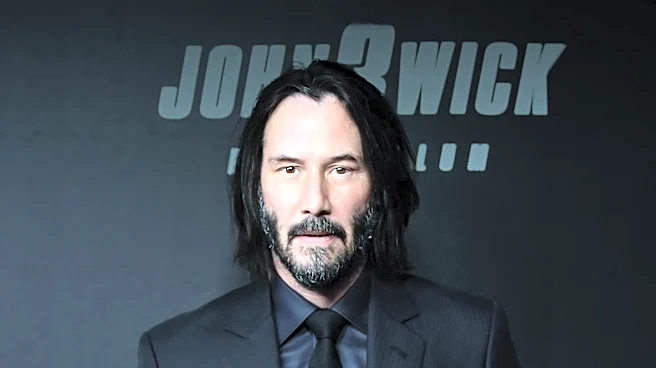
Keanu Reeves, after achieving action star status with the 1994 film 'Speed,' declined to participate in its sequel, 'Speed 2: Cruise Control.' This decision led to a significant period where Fox, the studio behind 'Speed,' did not cast him in any of their
productions for over a decade. Instead of filming the sequel, Reeves chose to perform in a stage production of 'Hamlet' in Winnipeg in January 1995. Fox proceeded with 'Speed 2' in 1997, replacing Reeves with Jason Patric and featuring Sandra Bullock. The sequel grossed approximately $164 million worldwide, less than half of the original's $350 million, and received a Razzie for Worst Remake or Sequel. Reeves eventually reunited with Fox for 'The Day the Earth Stood Still' in December 2008, more than 14 years after 'Speed.'
Why It's Important?
This event highlights the significant power dynamics between actors and major film studios in Hollywood. Reeves' decision to prioritize artistic pursuits over a commercially guaranteed sequel, despite potential career repercussions, demonstrates a rare stance in an industry often driven by box office success. The subsequent 'movie jail' period imposed by Fox underscores the studios' expectations for actors to adhere to franchise commitments. However, this move ultimately allowed Reeves to explore diverse roles, leading to his iconic performance in 'The Matrix' for Warner Bros., which became a global phenomenon and redefined action cinema. This case illustrates how an actor's choices, even those perceived as career risks, can lead to unexpected and more impactful professional trajectories, while studios might miss out on significant talent by enforcing rigid contractual expectations.
What's Next?
While this specific event is historical, its implications continue to resonate in the entertainment industry. Actors today often face similar dilemmas regarding franchise commitments versus creative freedom. The success of 'The Matrix' after Reeves' departure from the 'Speed' franchise serves as a cautionary tale for studios about the long-term value of talent and artistic integrity over immediate sequel profits. Future negotiations between actors and studios will likely continue to be influenced by such precedents, with actors potentially leveraging their creative control and studios re-evaluating the long-term benefits of fostering talent over enforcing strict contractual obligations. The industry may see a continued trend of actors seeking more diverse roles and creative control, even if it means stepping away from lucrative franchise opportunities.
Beyond the Headlines
The narrative of Keanu Reeves' 'movie jail' period with Fox delves into the deeper cultural and ethical considerations within the film industry. It questions the extent to which studios should control an actor's career path and the value placed on artistic expression versus commercial viability. Reeves' choice to perform 'Hamlet' instead of 'Speed 2' can be seen as a statement on the importance of theatrical roots and diverse acting experiences. This incident also subtly critiques the 'sequel-driven' mentality of Hollywood, where financial success often dictates creative decisions. The fact that Reeves' career flourished with Warner Bros. during his Fox hiatus suggests that creative freedom, even if it comes with initial industry pushback, can ultimately lead to more significant and lasting contributions to cinema, challenging the conventional wisdom of studio-actor relationships.