




What's Happening?
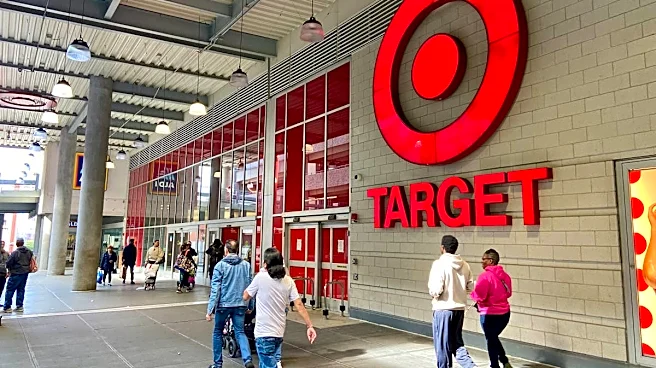
Target is re-entering the makeup artistry-led brand market by launching Glamazon Beauty, founded by celebrity makeup artist Kim Baker. This new partnership will see Glamazon Beauty products available online and in 611 Target stores starting September
10, as part of the retailer’s new Target Beauty Studio initiative. This move comes a year after Target concluded its Ulta Beauty at Target shops-in-shop program. Glamazon Beauty, which initially launched in 2017 and is known for its Second to None Foundation Stick, will be making its first nationwide brick-and-mortar expansion through this collaboration. Baker, who has a 20-year modeling career and has worked with prominent makeup artists and brands, rebranded Glamazon in 2021 to focus on complexion products, including moisturizing primer, concealers, color correctors, and setting powder, alongside other makeup items. Industry sources estimate that Glamazon could achieve $7 million in retail sales during its first year at Target.
Why It's Important?
This launch signifies Target's strategic shift in its beauty retail approach, moving from a partnership model with Ulta Beauty to directly integrating prestige and artistry-led brands within its own Beauty Studio concept. By bringing in brands like Glamazon Beauty, Target aims to capture a segment of the beauty market that values expert-led products and personalized beauty solutions. This initiative could enhance Target's competitive edge in the beauty sector, attracting customers seeking high-quality, professional-grade makeup that is more accessible. For Glamazon Beauty, this national retail presence offers significant growth opportunities, potentially increasing its market share and brand recognition. The success of this venture could influence future collaborations between major retailers and independent beauty brands, impacting how consumers access and purchase specialized beauty products across the U.S. It also highlights a broader trend in the beauty industry where expert-led brands are gaining traction, reflecting consumer demand for authenticity and professional endorsement.
What's Next?
Glamazon Beauty will officially launch in Target stores and online on September 10. The performance of Glamazon Beauty in its first year at Target, particularly its estimated $7 million in retail sales, will be closely watched as an indicator of the success of Target's new Beauty Studio concept. This launch could pave the way for other makeup artist-led brands to join Target's assortment, potentially reshaping the retailer's beauty aisle. Target will likely monitor customer reception and sales data to refine its strategy for the Beauty Studio, possibly expanding the number of participating stores or introducing more brands. For Kim Baker, this expansion provides a platform to further her mission of empowering women through beauty, reaching a broader audience across the country. The beauty industry will also observe how this direct integration of artistry brands impacts the competitive landscape, especially concerning other retailers and dedicated beauty stores.
Beyond the Headlines
The re-emphasis on artistry-led brands by a major retailer like Target reflects a deeper consumer trend towards authenticity and expertise in the beauty industry. In an era dominated by social media influencers, the credibility of professional makeup artists like Kim Baker resonates strongly with consumers seeking reliable product recommendations and effective beauty solutions. This move also underscores the evolving retail landscape, where traditional big-box stores are adapting to offer more curated and specialized product selections to compete with online retailers and dedicated beauty chains. The success of Glamazon Beauty could inspire other independent, expert-led brands to pursue similar partnerships, fostering a more diverse and competitive beauty market. Furthermore, it highlights the increasing importance of inclusive beauty, as brands like Glamazon Beauty, with a focus on complexion, cater to a wide range of skin tones and types, aligning with broader societal demands for representation and accessibility in beauty products.