
What's Happening?
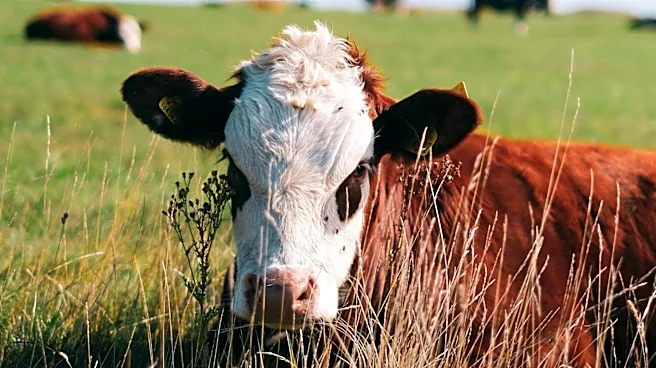
The Federal Reserve Bank of Kansas City has released an analysis indicating that high costs and uncertainty are likely to keep U.S. cattle inventories low, resulting in sustained high beef prices. Despite market signals suggesting potential herd growth,
ranchers are hesitant to rebuild due to factors such as drought, high input costs, and the threat of screwworms. The analysis suggests that even if ranchers begin rebuilding herds now, it would take two to three years for beef prices to stabilize. The report highlights the structural issues within the domestic supply chain that contribute to rising beef prices, despite strong consumer demand.
Why It's Important?
The sustained high beef prices have significant implications for grocery inflation and consumer spending. As beef remains a major driver of food-at-home inflation, consumers may face increased grocery bills, impacting household budgets. The reluctance of ranchers to rebuild herds also affects the agricultural sector's ability to meet domestic demand, potentially leading to increased reliance on imports. This situation underscores the need for policy interventions to address the challenges faced by ranchers, such as improving drought resilience and managing disease threats. The analysis also highlights the importance of maintaining a stable supply chain to ensure food security and economic stability.
What's Next?
Policymakers and industry stakeholders will need to focus on strategies to support herd rebuilding and address the factors contributing to high beef prices. This may include investing in drought resilience, enhancing disease management, and providing financial incentives for ranchers. The agricultural sector will also need to explore alternative sources of beef supply to mitigate the impact of high prices on consumers. As the market adjusts, stakeholders will be monitoring developments closely to ensure a balanced approach to managing supply and demand in the beef industry.