


What's Happening?
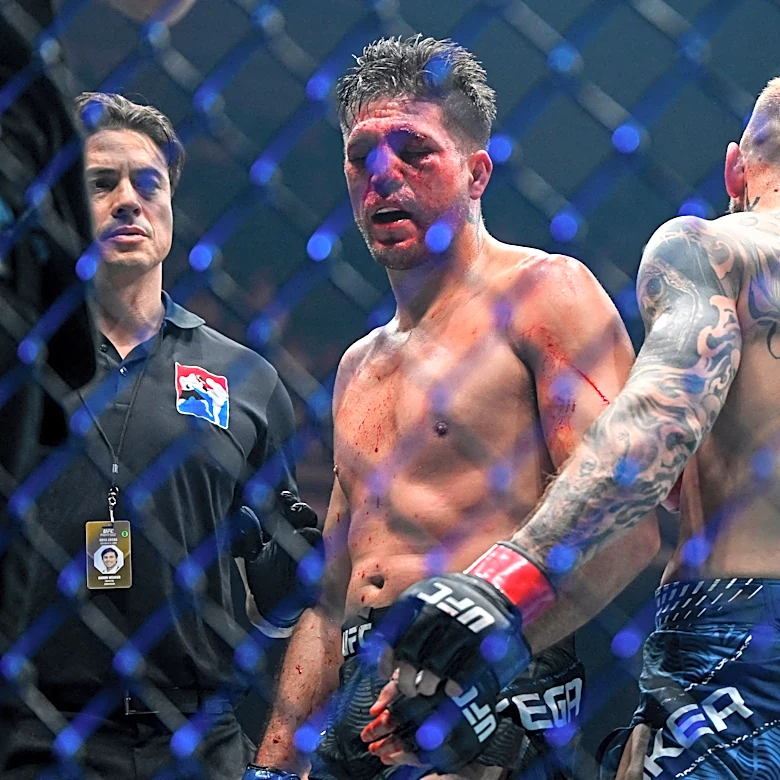
Brian Ortega, a prominent UFC fighter, announced his retirement from mixed martial arts following his unanimous decision loss to Dan Hooker at UFC Fight Night 294 in Qatar. The announcement came after a featured bout where Hooker largely controlled the
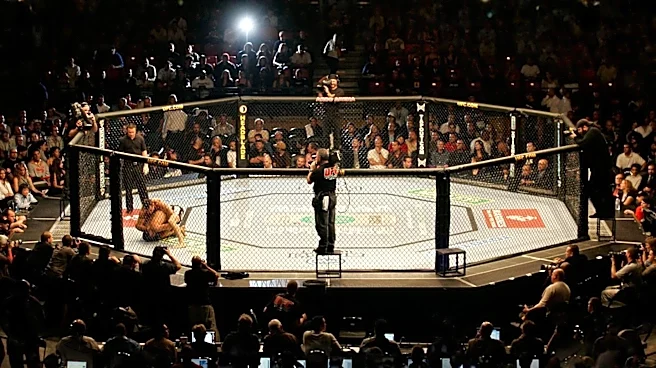
fight, despite Ortega landing significant punches in the third round. Ortega's retirement speech, delivered in the cage with Michael Bisping, was described as awkward, with Ortega stating, "I think so. Yeah, I think so." He attributed his decision to a change in motivation, explaining that he was once fueled by hate and anger but no longer possesses those feelings. Ortega dropped his gloves in the center of the cage as a symbolic gesture. This decision follows a period where Ortega has experienced six losses in his last eight fights, contrasting sharply with his undefeated 14-0 start to his career.
Why It's Important?
Ortega's retirement, if permanent, marks the departure of a significant figure from the UFC's featherweight and lightweight divisions. His career included two title shots, against Max Holloway in 2018 and Alexander Volkanovski in 2021, showcasing his elite status in the sport. His candid explanation about losing his fighting motivation highlights the mental and emotional toll professional combat sports can take on athletes. The skepticism surrounding his announcement, given the commonality of 'MMA retirements' that are often temporary breaks, underscores a broader trend in the sport where fighters often return. This event could prompt discussions within the MMA community about fighter welfare, the pressures of sustained performance, and the psychological aspects of competition, especially after a series of losses.
What's Next?
The immediate future for Brian Ortega remains uncertain, as his retirement announcement included phrases like "I think that's it," leaving room for a potential return. Historically, many MMA fighters announce retirement only to come back for future bouts, often driven by financial incentives or a renewed passion for competition. The UFC and its fanbase will likely monitor Ortega's status closely for any indications of a comeback. If he remains retired, the featherweight and lightweight divisions will see one less contender, potentially opening opportunities for other fighters to rise in the rankings. His departure could also lead to speculation about his post-fighting career, whether it involves coaching, commentary, or other ventures outside the octagon.
Beyond the Headlines
Ortega's retirement speech, characterized by its tentative nature, reflects a common phenomenon in combat sports where the line between a definitive exit and a temporary hiatus is often blurred. This 'MMA retirement' trend raises questions about the psychological state of fighters post-loss and the pressures they face to continue competing. His statement about being fueled by hate and anger, and now feeling healed, offers a glimpse into the intense emotional landscape of professional fighting. It suggests a deeper narrative beyond just wins and losses, touching on personal growth and mental well-being. This situation could spark broader conversations about how athletes transition out of high-stakes careers and the support systems available to them as they navigate life beyond competitive sports.