








What's Happening?
Holistic wellness routines are gaining prominence, focusing on a comprehensive approach to health that integrates physical, mental, and emotional well-being. These routines, often outlined in downloadable guides, advocate for balanced meal planning, consistent
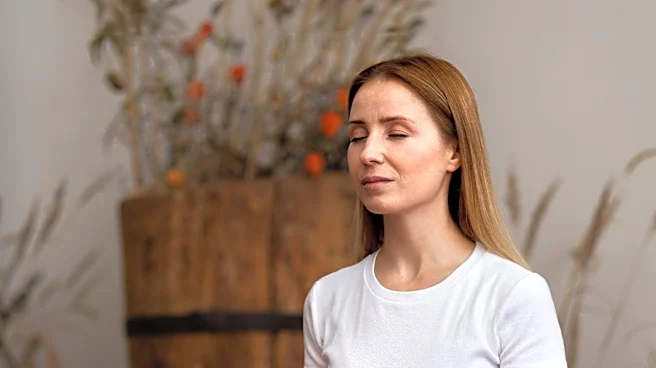
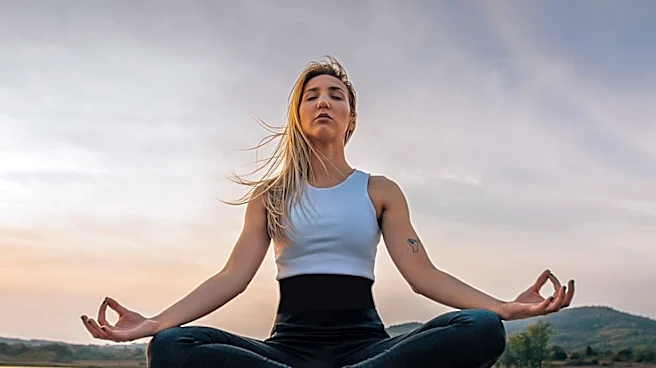
fitness activities, proper hydration, and the use of natural remedies. Beyond physical aspects, holistic health emphasizes strategies for stress management, mindfulness, and emotional intelligence, incorporating practices like meditation, journaling, and breathing exercises to foster a positive mindset. The core principle is that optimal health is achieved when all aspects of an individual's life are balanced and functioning harmoniously, moving beyond addressing isolated symptoms to promote overall well-being. These guides are designed to empower individuals with informed choices regarding nutrition, fitness, stress management, and self-care, offering accessible and customizable plans.
Why It's Important?
The increasing focus on holistic wellness reflects a broader societal shift towards preventative health and integrated well-being in the U.S. This approach is important because it addresses the interconnectedness of various health components, recognizing that mental and emotional states significantly impact physical health. For individuals, adopting holistic routines can lead to improved energy levels, enhanced immunity, better sleep, and increased longevity. For the healthcare industry, this trend could lead to a greater demand for integrative therapies and wellness programs that extend beyond traditional medical treatments. Businesses in the wellness sector, including those offering digital health resources, fitness programs, and mindfulness workshops, stand to gain from this growing interest. Conversely, traditional healthcare providers might need to adapt by incorporating more holistic elements into their offerings to meet evolving patient expectations.
What's Next?
The trend towards holistic wellness is expected to continue, with an anticipated increase in the availability and adoption of digital holistic health guides and related services. Individuals will likely seek out more personalized action plans and tools for tracking progress in their wellness journeys. The integration of self-care routines, mindfulness exercises, and healthy relationship habits will become more commonplace. Furthermore, there may be a greater emphasis on community forums and support groups associated with these guides, fostering a sense of collective well-being. Healthcare providers and wellness companies are likely to further develop comprehensive programs that address physical, mental, and emotional health, potentially leading to more widespread acceptance and integration of holistic practices within mainstream health and wellness frameworks.
Beyond the Headlines
The rise of holistic wellness guides points to a deeper cultural shift in how Americans perceive and pursue health. It highlights a growing dissatisfaction with purely symptomatic treatments and a desire for more empowering, self-directed health management. This movement also touches upon ethical considerations regarding the credibility of information in downloadable guides, emphasizing the need for content authored by certified health professionals. The long-term implications could include a redefinition of 'health' itself, moving from an absence of illness to a state of complete physical, mental, and social well-being. This could also foster a more proactive and preventive health culture, potentially reducing the burden on reactive healthcare systems and promoting greater individual responsibility for health outcomes.