







What's Happening?
Filmmaker J.J. Abrams, known for his work in action, drama, and science fiction, undertook a meticulous 4K restoration of the 1979 horror film 'Phantasm'. This restoration, conducted with his company Bad Robot, aimed to preserve the classic horror gem,
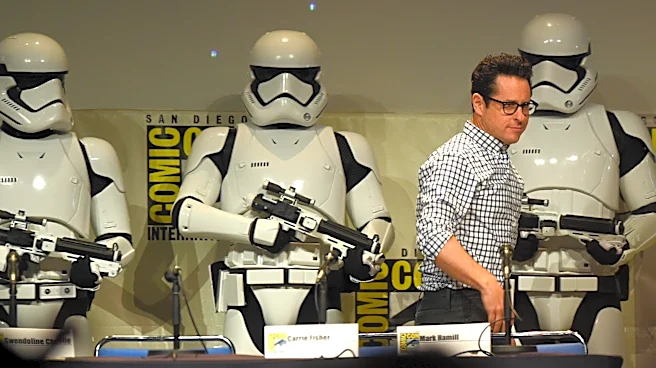
which profoundly impacted Abrams as a teenager. The film, written and directed by Don Coscarelli, introduces the enigmatic Tall Man and follows a young boy named Mike as he confronts bizarre and terrifying events in his small Oregon town. Abrams' admiration for 'Phantasm' has led to several homages in his own work, including the naming of Captain Phasma in 'Star Wars: The Force Awakens', a clear nod to the film's iconic Sentinel Sphere. Additionally, Abrams cast Angus Scrimm, the actor who portrayed the Tall Man, in a recurring role in his TV series 'Alias'. The restored film premiered at South by Southwest in 2016, 37 years after its original release, allowing a new generation to experience the film's unsettling world.
Why It's Important?
The restoration of 'Phantasm' by a prominent filmmaker like J.J. Abrams highlights the enduring cultural significance of classic horror cinema and its influence on contemporary storytelling. This initiative not only preserves a piece of film history but also introduces it to new audiences, potentially fostering a deeper appreciation for the genre's roots. For the film industry, such restorations underscore the value of maintaining cinematic heritage and the impact that older works can have on modern creators. Abrams' personal connection to 'Phantasm' demonstrates how early cinematic experiences can shape a director's artistic vision and lead to subtle, yet meaningful, references in blockbuster franchises like 'Star Wars'. This cross-pollination of influences enriches the cinematic landscape, connecting different genres and generations of filmmakers and viewers. It also showcases the power of individual passion in driving preservation efforts for cult classics.
What's Next?
The successful 4K restoration of 'Phantasm' by J.J. Abrams and Bad Robot could inspire similar preservation efforts for other cult classic films that have influenced contemporary filmmakers. This trend might lead to more collaborations between established directors and the original creators of influential, yet perhaps less widely known, works. For fans of 'Phantasm' and horror cinema, the restoration ensures the film's continued availability and relevance, potentially sparking renewed interest in the entire 'Phantasm' franchise, which includes four sequels. The project also sets a precedent for how modern technology can be used to enhance and reintroduce older films while maintaining their original charm and essence, without relying on modern CGI embellishments that might detract from the original artistic intent. This approach could become a model for future film restoration projects.
Beyond the Headlines
Beyond the immediate impact of preserving a horror classic, Abrams' restoration of 'Phantasm' speaks to the deeper, often unacknowledged, influences that shape creative works. It illustrates how art begets art, with a 1970s horror film directly inspiring elements in a major science fiction franchise like 'Star Wars'. This connection highlights the interconnectedness of different cinematic genres and the subtle ways in which cultural touchstones are passed down and reinterpreted. The project also underscores the ethical considerations in film restoration, particularly the balance between updating visual and audio quality with modern technology while remaining faithful to the original artistic vision. Abrams' commitment to maintaining the film's original charm, free from modern CGI embellishments, reflects a respect for the integrity of the source material, a crucial aspect of preserving cultural artifacts for future generations. It also reveals the personal and often nostalgic motivations behind such significant undertakings.