







What's Happening?
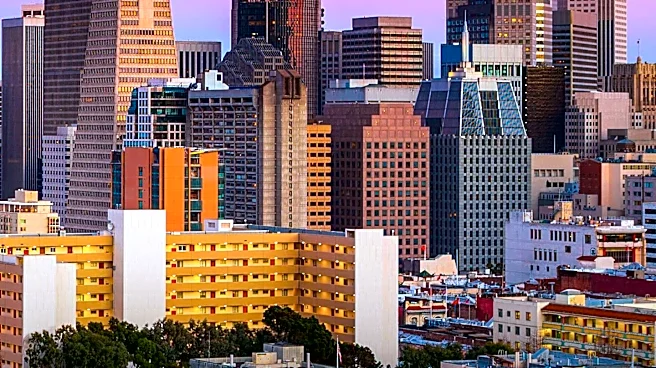
San Francisco's housing market has experienced a significant surge, with the median home price reaching $1.7 million. This marks an increase of over $1 million since the market's low in 2012. The recent boom is largely attributed to the influx of wealth
from the artificial intelligence industry, particularly following the launch of ChatGPT. Luxury home prices in the Bay Area's top ZIP codes have increased by 13.4%, and pending luxury sales have spiked 46% year-over-year. The demand from tech workers and limited housing supply laid the groundwork for this recovery, but the AI industry's growth has accelerated the market. Companies like OpenAI and Anthropic, nearing potential IPOs, could further impact the market as their employees gain significant wealth.
Why It's Important?
The surge in San Francisco's home prices highlights the broader economic impact of the AI industry on local real estate markets. As tech and AI companies continue to grow, their employees' increased purchasing power is driving up housing costs, making homeownership increasingly unattainable for those outside the tech sector. This trend underscores the growing economic divide in tech hubs, where high salaries in the tech industry contrast sharply with stagnant wage growth in other sectors. The rising home prices could lead to further socio-economic stratification, as only those within the tech industry can afford to live in these areas.
What's Next?
With OpenAI and Anthropic expected to go public soon, the influx of IPO wealth could further drive up home prices in San Francisco. This may lead to increased pressure on local housing markets and exacerbate affordability issues for non-tech workers. Policymakers and city planners may need to address these challenges by considering measures to increase housing supply or implement policies to ensure more equitable access to housing. The continued growth of the AI industry will likely keep San Francisco's real estate market competitive, potentially influencing housing policies and urban development strategies.