







What's Happening?
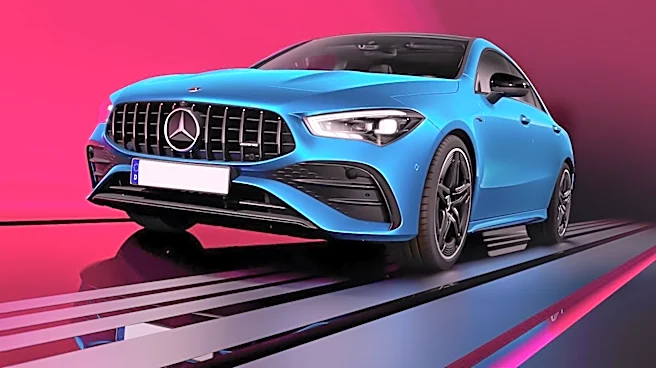
Mercedes-Benz is launching its 2027 CLA350 EV, an entry-level electric vehicle designed to combine the brand's luxury appeal with the efficiency of an electric drivetrain and a more accessible price point. The CLA350 EV features a dual-motor all-wheel-drive
system, delivering 349 horsepower and 380 pound-feet of torque, enabling it to accelerate from 0 to 60 mph in 4.3 seconds. The vehicle is equipped with an 85-kWh nickel-manganese-cobalt (NMC) battery and an 800-volt architecture, supporting a 320-kW DC fast-charge peak rate, allowing for a 10 to 80 percent recharge in approximately 22 minutes. The EPA-rated range for the CLA350 EV is 312 miles. Inside, the CLA350 emphasizes technology with a screen-based cabin, including a 10.3-inch gauge cluster, a 14.0-inch touchscreen, and optional head-up display and passenger screen. The interior also features adjustable cabin mood lighting and a panoramic glass roof with electrochromic transparency. Despite its advanced features, some design choices, such as the placement of certain controls within the touchscreen interface, have been noted as potentially impacting user experience.
Why It's Important?
The introduction of the 2027 Mercedes-Benz CLA350 EV signifies a strategic move by the luxury automaker to expand its electric vehicle offerings into a more competitive and accessible market segment. By aiming to deliver high-end features and performance at a lower price point, Mercedes-Benz is directly challenging other manufacturers in the growing electric vehicle market. This could accelerate the adoption of EVs among consumers who desire luxury and advanced technology but are also price-conscious. The CLA350 EV's focus on rapid charging capabilities and a substantial range addresses key concerns for potential EV buyers, potentially easing range anxiety and making electric vehicles more practical for daily use. The vehicle's emphasis on interior technology and digital integration also reflects a broader industry trend towards software-defined vehicles, which could influence future automotive design and consumer expectations for in-car experiences. Success in this segment could bolster Mercedes-Benz's market share in the EV sector and influence its long-term electrification strategy.
What's Next?
Following its introduction, the 2027 Mercedes-Benz CLA350 EV will enter the competitive electric vehicle market, where its performance, range, and technological features will be closely scrutinized by consumers and automotive critics. Mercedes-Benz will likely monitor sales figures and customer feedback to assess the vehicle's reception and make potential adjustments to future models or marketing strategies. The vehicle's pricing, which starts at $51,950 but can reach $67,980 with added features, will be a critical factor in its market performance, as it positions itself between premium and more mainstream EV offerings. Competitors in the luxury EV segment will undoubtedly respond with their own innovations and pricing strategies, intensifying the competition. Mercedes-Benz's continued investment in its 800-volt architecture and battery technology, as showcased in the CLA350 EV, suggests a commitment to advancing EV capabilities across its lineup, with future models likely to benefit from these developments.
Beyond the Headlines
The 2027 Mercedes-Benz CLA350 EV's design philosophy, which prioritizes extensive digital displays and integrated software controls, highlights a broader shift in automotive interior design. This trend raises questions about the balance between technological sophistication and user-friendliness, as some traditional physical controls are replaced by touchscreen interfaces. While offering a sleek aesthetic, this approach can sometimes lead to usability challenges, such as the need to navigate menus for basic functions, potentially impacting driver focus and safety. Furthermore, the vehicle's blend of luxury features with an 'entry-level' price point reflects a strategic effort to democratize premium electric mobility. This could lead to a redefinition of what constitutes 'luxury' in the automotive sector, shifting focus from traditional materials to advanced technology and sustainable powertrains. The CLA350 EV also underscores the increasing importance of charging infrastructure and battery technology in consumer purchasing decisions, pushing the industry towards faster, more efficient charging solutions.