



What's Happening?
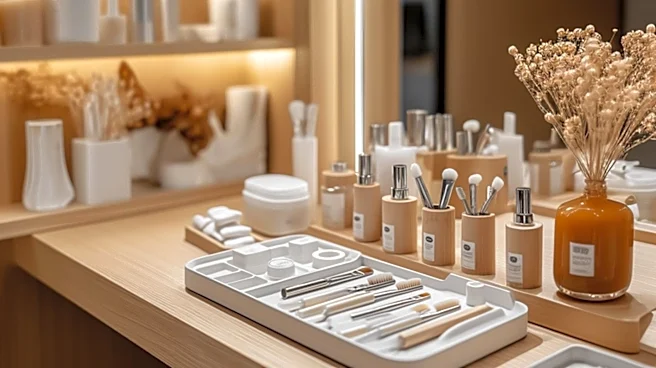
The Baumanière, a 5-star luxury hotel in Les Baux-de-Provence, offers a range of amenities beyond its accommodations and dining. The estate includes a boutique and a chocolate shop, both located on the Place des Artisans, directly across from the Oustau
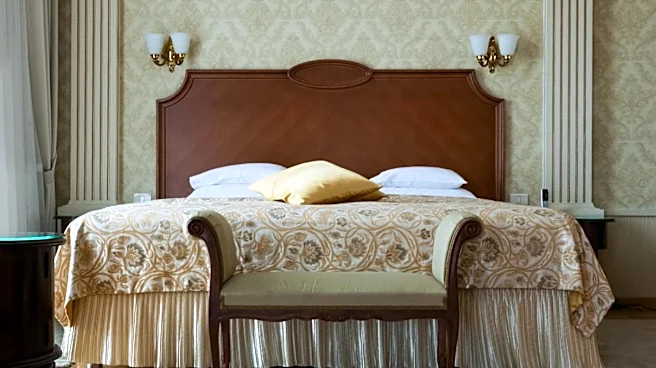
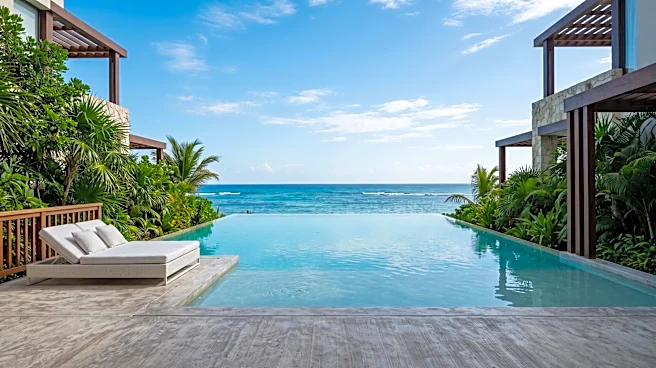
de Baumanière restaurant. The boutique sells creations by ceramicist Cécile Cayrol, alongside other items. The hotel also features two gourmet restaurants, L’Oustau de Baumanière, which holds three Michelin stars, and La Cabro d’Or. Guests can also enjoy a spa with a hammam, sensory pool, and bespoke treatments, as well as three swimming pools spread across the estate's gardens. The hotel emphasizes a blend of authentic and modern charm in its unique rooms, with decorative items sourced from antique shops or handcrafted.
Why It's Important?
The integration of a boutique and chocolate shop within a luxury hotel like Baumanière highlights a growing trend in the hospitality industry to offer guests a more comprehensive and immersive experience. This approach allows hotels to diversify their revenue streams beyond traditional room and dining services, tapping into retail and specialty food markets. For guests, it provides convenience and access to unique, curated products, enhancing their stay and potentially encouraging impulse purchases. This model can also support local artisans, as seen with the ceramicist Cécile Cayrol, fostering a connection between the hotel and the regional culture. The emphasis on handcrafted and antique items in the rooms further reinforces the hotel's commitment to a distinct, high-quality aesthetic, which can attract discerning travelers seeking unique and memorable experiences.
What's Next?
Luxury hotels and resorts are likely to continue expanding their offerings beyond core hospitality services, incorporating more retail, culinary, and experiential elements. This trend could lead to increased collaborations with local artists, designers, and food producers, creating unique merchandise and dining experiences that reflect the local culture. Hotels may also invest further in creating distinct 'shopping destinations' within their properties, offering exclusive products and brands. For consumers, this means a wider array of choices and opportunities to engage with the hotel's brand and local environment. The success of such ventures will likely depend on the careful curation of products and experiences that align with the hotel's luxury image and target demographic, ensuring that these additions enhance rather than detract from the overall guest experience.
Beyond the Headlines
The inclusion of a boutique and chocolate shop within a luxury hotel reflects a broader shift in consumer expectations, where travelers seek not just accommodation but a holistic lifestyle experience. This trend blurs the lines between hospitality, retail, and cultural immersion. It suggests that luxury is increasingly defined by exclusivity, authenticity, and the opportunity to discover unique items and local craftsmanship. From an economic perspective, this strategy allows hotels to capture a larger share of guest spending, moving beyond the traditional room rate and food and beverage. Ethically, it can provide a platform for local artisans and small businesses, contributing to the local economy and preserving traditional crafts. Culturally, it helps to integrate the hotel more deeply into its surroundings, offering guests a tangible piece of their travel experience to take home.