
What's Happening?
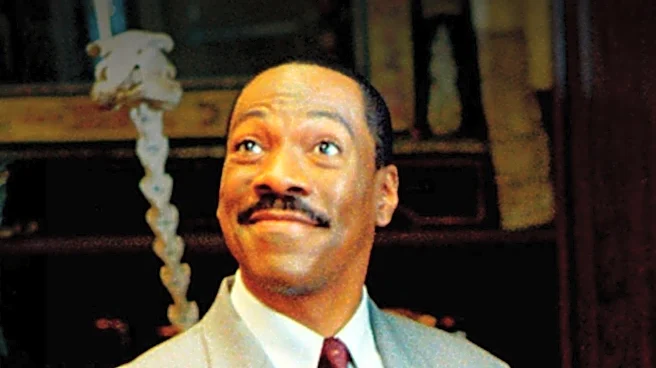
The film 'The Haunted Mansion,' based on the iconic Disneyland ride, features Eddie Murphy in the lead role as real estate agent Jim Evers. The story follows Evers, a workaholic, who intends to close a mansion
deal before taking a much-needed vacation with his wife, Sara, and their children. Upon their arrival at the mansion, the family is separated by ghosts who believe Sara can free them by joining them in the afterlife. The Evers family must then battle various supernatural entities, including ghosts, zombies, and spiders, to rescue Sara from eternal damnation. The movie also incorporates numerous references to the Disneyland attraction, such as Hidden Mickeys and the ride's theme song, 'Grim Grinning Ghosts.' The film, released in 2003, is 88 minutes long, in color, and rated PG. It was directed by Rob Minkoff, produced by Don Hahn and Andrew Gunn, and written by David Berenbaum. Alongside Eddie Murphy, the cast includes Terence Stamp, Nathaniel Parker, and Marsha Thomason.
Why It's Important?
This film adaptation is significant as it represents a major studio's effort to translate a beloved theme park attraction into a feature-length movie, leveraging the star power of Eddie Murphy. For Disney, it was an attempt to capitalize on the nostalgia and widespread recognition of one of its most popular rides, aiming to attract both existing fans of the attraction and a broader family audience. The success or failure of such adaptations can influence future decisions by studios regarding intellectual property derived from non-narrative sources like theme park rides. For Eddie Murphy, it showcased his versatility in a family-friendly horror-comedy genre, expanding his appeal beyond his more adult-oriented comedic roles. The film's integration of ride-specific elements also highlights the growing trend of transmedia storytelling, where different forms of media cross-promote and enrich each other, creating a more immersive experience for consumers.
What's Next?
While 'The Haunted Mansion' (2003) has already been released, its legacy continues to influence subsequent adaptations and discussions around theme park-based films. The film's reception and box office performance likely informed Disney's strategy for future projects based on its theme park attractions. For instance, the ongoing interest in the Haunted Mansion property led to a more recent film adaptation in 2023, indicating that studios continue to explore new ways to bring these iconic attractions to the big screen. Future developments might include further reboots, television series, or even interactive experiences that build upon the lore established by both the ride and its cinematic interpretations. The continued presence of the Haunted Mansion in popular culture suggests that audiences remain engaged with its unique blend of spooky fun, ensuring its relevance for future generations.
Beyond the Headlines
The adaptation of 'The Haunted Mansion' into a feature film delves into the broader cultural phenomenon of translating experiential entertainment into narrative cinema. It raises questions about how to maintain the essence of an interactive, non-linear experience within a structured film plot. The film's reliance on Eddie Murphy's star power also underscores the commercial strategy of attaching bankable actors to projects with pre-existing fanbases. Furthermore, the movie's inclusion of 'Hidden Mickeys' and the ride's theme song serves as a meta-commentary on Disney's self-referential branding and its ability to weave its intellectual property into various forms of media. This approach not only satisfies existing fans but also introduces new audiences to the broader Disney universe, reinforcing brand loyalty and expanding its cultural footprint. The film's enduring presence in discussions about theme park adaptations highlights the ongoing challenge and appeal of bringing beloved attractions to life on screen.