








What's Happening?
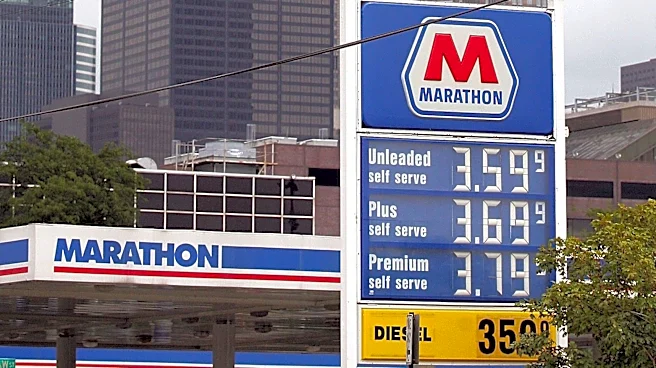
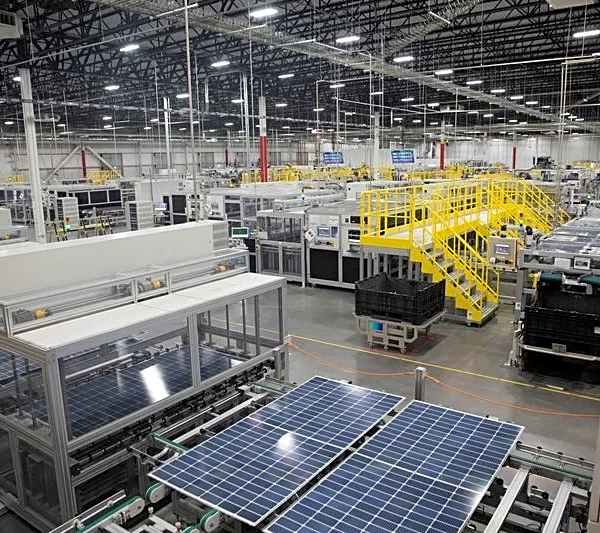
The Federal Reserve's preferred inflation gauge has reached a three-year high, with consumer prices rising 4.1% in May compared to the previous year. This increase is largely attributed to higher gas prices and the rising cost of semiconductors and computer
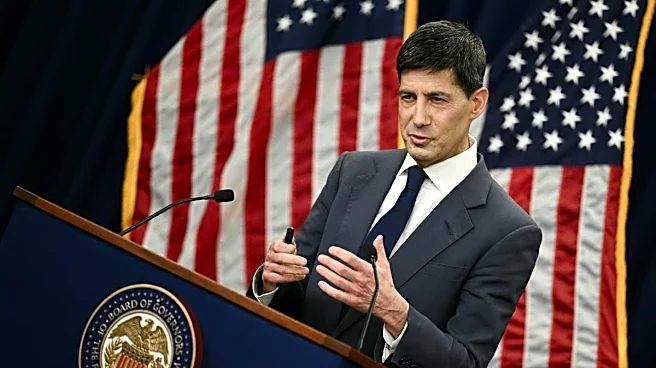
equipment. The inflation rate has prompted concerns about affordability and economic stability, particularly as midterm elections approach. Despite a recent peace deal with Iran that has slightly reduced gas prices, the overall cost of living remains elevated. The Federal Reserve, under new chair Kevin Warsh, is determined to bring inflation back to its 2% target, though specific measures have not been announced.
Why It's Important?
The rising inflation rate poses significant challenges for the U.S. economy, affecting consumer purchasing power and potentially influencing voter sentiment in upcoming elections. High inflation can lead to increased costs for businesses and consumers, impacting economic growth and stability. The Federal Reserve's response to inflation will be closely watched, as any changes in interest rates could have wide-ranging effects on financial markets and economic policy. The situation underscores the delicate balance policymakers must maintain between controlling inflation and supporting economic growth.
What's Next?
Economists expect the Federal Reserve to consider raising interest rates to combat inflation, though the timing and extent of such measures remain uncertain. The central bank's actions will be critical in shaping economic conditions and investor confidence. Additionally, political leaders may face pressure to address affordability issues, potentially leading to new legislative initiatives aimed at reducing costs for consumers. The ongoing economic challenges will likely be a focal point in political debates and campaigns as the midterm elections draw near.
Beyond the Headlines
The current inflationary pressures highlight the interconnectedness of global events, such as geopolitical tensions and supply chain disruptions, with domestic economic conditions. The situation also raises questions about the long-term sustainability of economic policies and the resilience of the U.S. economy in the face of external shocks. As inflation continues to impact daily life, there may be increased calls for structural reforms to address underlying economic vulnerabilities and enhance the country's economic resilience.