




What's Happening?
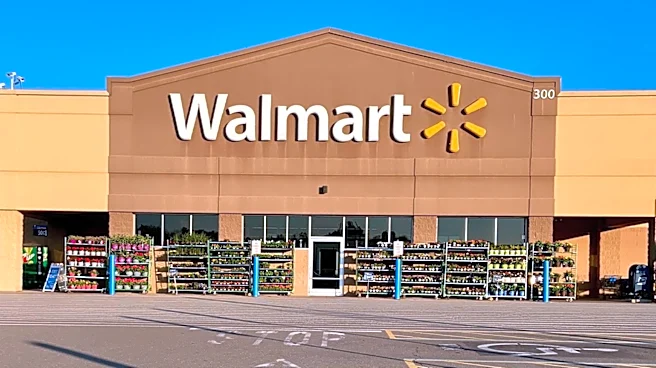
Coachella, the annual music festival, and its parent company, Goldenvoice, have filed a lawsuit against Walmart for alleged trademark infringement. The lawsuit, filed on November 24, claims that Walmart has repeatedly sold merchandise bearing Coachella's
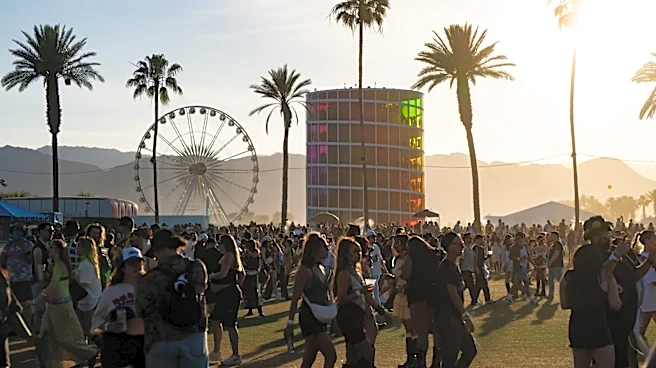
trademarks without authorization. This includes items such as tumblers, bottles, and tank tops featuring the festival's name and distinctive logos, including a Ferris wheel and palm tree silhouettes. The complaint states that these unauthorized sales have occurred in Walmart stores near the festival grounds in North Indio and La Quinta, and that Walmart has also used Coachella's trademarks in advertising for other products. Coachella organizers assert that they have repeatedly demanded Walmart cease these activities since 2017, but the retailer has allegedly resumed the infringing conduct after temporary halts. The festival argues that Walmart has intentionally created confusion and a false association between its products and Coachella's brand, exploiting their intellectual property without proper licensing or payment. Walmart has stated it has not yet seen the lawsuit and will respond appropriately once served.
Why It's Important?
This lawsuit highlights the significant value placed on intellectual property and brand recognition within the entertainment and retail sectors. For Coachella, a highly visible and popular festival, its trademarks represent substantial commercial value derived from sponsorships and licensing deals. Unauthorized sales by a major retailer like Walmart could dilute the brand's exclusivity, undermine its licensing agreements, and potentially mislead consumers into believing there is an official affiliation. For Walmart, if found liable, it could face substantial financial penalties, including punitive damages, and be subject to injunctions preventing future sales of infringing merchandise. This case also serves as a reminder to large corporations about the importance of due diligence in ensuring that products sold through their channels do not infringe on existing trademarks, especially for well-established brands. The outcome could influence how retailers manage third-party merchandise and intellectual property compliance.
What's Next?
Coachella is seeking a temporary restraining order and injunctions to immediately halt Walmart's alleged infringing sales, in addition to punitive damages. Walmart has indicated it will review the complaint and respond in court once officially served. The legal proceedings will likely involve discovery, where both parties gather evidence, followed by potential settlement negotiations or a trial. If the court grants the temporary restraining order, Walmart would be immediately prohibited from selling the disputed merchandise. The case could set a precedent for how large retailers are held accountable for trademark infringement, particularly when the alleged infringement is described as 'willful and repeated.' The resolution of this lawsuit will be closely watched by other brands and retailers concerned with intellectual property protection and fair competition in the marketplace. The 2027 Coachella festival is scheduled for April 9-11 and April 16-18, featuring artists like Dua Lipa, Tame Impala, and SZA.
Beyond the Headlines
Beyond the immediate legal battle, this case touches upon broader issues of brand control in the digital age and the challenges faced by intellectual property holders in monitoring vast retail landscapes. The lawsuit's mention of Instagram videos as evidence underscores the role of social media in exposing alleged infringements and influencing public perception. For consumers, the proliferation of unauthorized merchandise can create confusion about authenticity and quality, potentially eroding trust in both the brand and the retailer. This situation also raises questions about corporate responsibility in maintaining ethical business practices and respecting intellectual property rights, even when dealing with numerous suppliers and products. The outcome could influence how brands enforce their rights against large-scale retailers and how retailers implement internal controls to prevent the sale of counterfeit or infringing goods, potentially leading to stricter compliance measures across the retail industry.