




What's Happening?
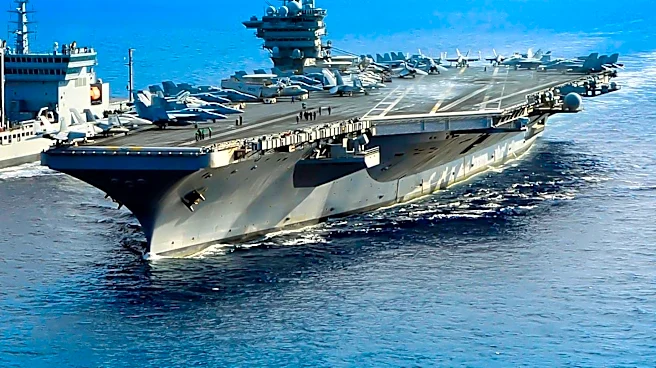
Huntington Ingalls Industries' Newport News Shipbuilding division is actively recruiting a Mechanical Engineer for its A1B reactor plant fluids auxiliary systems section. This position is crucial for supporting the construction, testing, maintenance,
overhaul, and modernization of the Navy’s CVN 78 Class aircraft carriers, which are described as the Navy's newest and most advanced carriers. The successful candidate will primarily focus on engineering efforts related to reactor plant fluid system piping design. This includes applying governing specifications, approving 3-D product models and system fabrication drawings, conducting engineering evaluations, performing calculations to resolve construction and vendor issues, developing design improvements for reactor plant fluid systems, and drafting technical communications to the Naval Nuclear Laboratory (NNL) and Naval Sea Systems Command (NAVSEA). The role also involves providing engineering support for CVN 78 Class aircraft carriers currently under construction and those at sea, with potential shipboard visits to resolve problems, which may include access to radiological areas. Applicants must possess a Bachelor's Degree in engineering from an ABET accredited program and have at least two years of relevant experience, or a Master's Degree with no professional experience required.
Why It's Important?
This recruitment highlights the ongoing demand for specialized engineering talent within the U.S. defense industrial base, particularly for critical naval assets. Newport News Shipbuilding, as the sole designer, builder, and refueler of U.S. Navy nuclear aircraft carriers, plays a vital role in national security. The continuous development and maintenance of the CVN 78 Class aircraft carriers are essential for projecting U.S. naval power globally and ensuring the readiness of its fleet. The need for mechanical engineers in reactor plant fluid systems underscores the complexity and high-stakes nature of nuclear shipbuilding. This hiring initiative not only supports the direct operational capabilities of the Navy but also sustains a highly skilled workforce in Virginia, where Newport News Shipbuilding is the largest industrial employer. The expertise required for this role, including knowledge of nuclear reactor systems and naval specifications, is critical for maintaining the technological superiority and safety of U.S. aircraft carriers.
What's Next?
The hiring process for this Mechanical Engineer position will continue, with Huntington Ingalls seeking qualified candidates to fill this specialized role. Once hired, the engineer will integrate into the team responsible for the CVN 78 Class aircraft carrier program, contributing directly to the lifecycle support of these advanced naval vessels. This ongoing recruitment reflects a sustained commitment to bolstering the engineering capabilities necessary for the U.S. Navy's future fleet. The successful integration of new talent will ensure the continued progress of carrier construction and modernization projects, impacting the long-term operational readiness and technological advancement of the U.S. Navy. Future developments will likely involve the continued application of advanced engineering principles to enhance the efficiency and safety of reactor plant systems on these carriers.
Beyond the Headlines
The continuous need for highly specialized engineers in nuclear shipbuilding, as evidenced by this job opening, points to broader implications for STEM education and workforce development in the U.S. The requirement for an ABET-accredited engineering degree emphasizes the importance of rigorous academic standards in preparing individuals for critical defense industry roles. This demand also highlights the strategic importance of maintaining a robust domestic industrial base capable of designing, building, and maintaining complex military hardware. The challenges associated with nuclear engineering, including stringent safety protocols and the need for continuous innovation, underscore the unique skill sets required. Furthermore, the role's potential for shipboard visits and access to radiological areas reflects the inherent risks and responsibilities associated with working on nuclear-powered vessels, necessitating a highly trained and dedicated workforce committed to national defense.