






What's Happening?
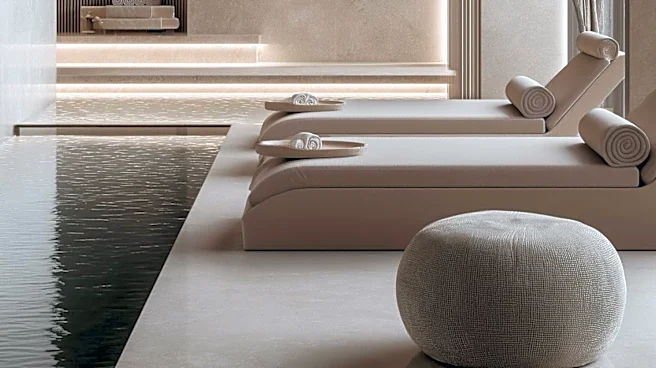
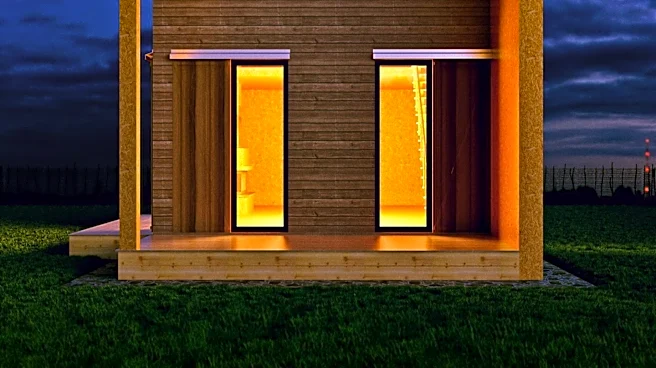
The luxury real estate market is increasingly focusing on wellness-oriented features as a key component of home design. This shift is driven by a growing awareness of the impact of living environments on health and well-being. Developers are integrating
technologies such as circadian lighting, which aligns indoor lighting with natural light cycles to support sleep and alertness. This trend reflects a broader cultural shift towards health-conscious living, with homes being designed to actively support the occupants' daily experiences and physiological needs. Matt Emmi, founder of OneButton, highlights that this movement is not just a trend but a foundational change in residential design. The emphasis is on creating environments that enhance health, with features like automated window treatments and integrated lighting systems becoming more common in high-end properties.
Why It's Important?
The integration of wellness features in luxury homes signifies a significant transformation in the real estate industry, with potential long-term impacts on how homes are designed and valued. As awareness of the connection between environment and health grows, these features are likely to become standard expectations rather than luxury add-ons. This shift could influence broader market trends, encouraging developers to prioritize health-oriented designs across various housing segments. The focus on wellness also aligns with increasing consumer demand for environments that support mental and physical health, potentially driving innovation and setting new standards in residential construction. This evolution in home design could lead to improved health outcomes for residents, reducing stress and enhancing overall quality of life.
What's Next?
As the demand for wellness features in homes continues to rise, developers may increasingly incorporate these elements into new projects, potentially expanding beyond the luxury market. This could lead to a reevaluation of building codes and standards to include health-oriented design principles. Additionally, as more consumers become aware of the benefits of wellness-focused environments, there may be increased pressure on developers to offer these features as standard. The trend could also spur advancements in related technologies, such as smart home systems that optimize environmental conditions for health. Over time, the integration of wellness features could become a key differentiator in the competitive real estate market, influencing buyer preferences and property values.
Beyond the Headlines
The movement towards wellness-oriented home design raises important questions about the future of residential architecture and urban planning. As homes become more integrated with health technologies, issues of privacy and data security may arise, particularly concerning the use of personal health data to optimize living environments. Additionally, the focus on wellness could lead to a reevaluation of urban spaces, encouraging the development of communities that prioritize health and well-being. This shift may also have cultural implications, as it reflects changing societal values towards health and sustainability. As these trends continue to evolve, they could reshape not only the real estate market but also broader societal norms around living and wellness.