



What's Happening?
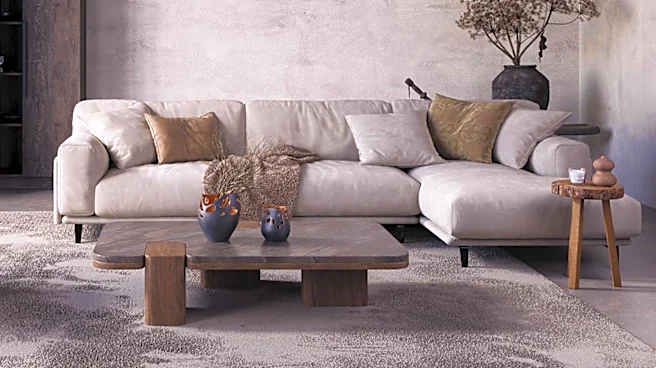
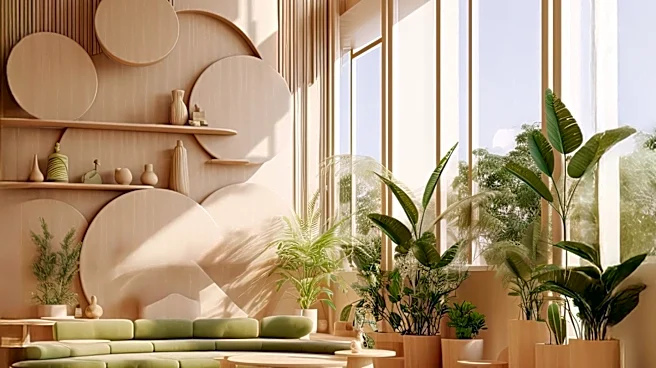
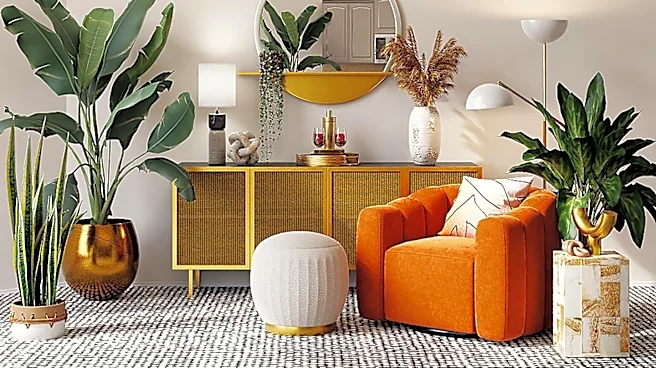
Interior design predictions for 2026 indicate a significant departure from the cool minimalism that has dominated in recent years. The new trends emphasize warmth, moving away from stark white walls and cool gray palettes towards terracotta, warm ochres,
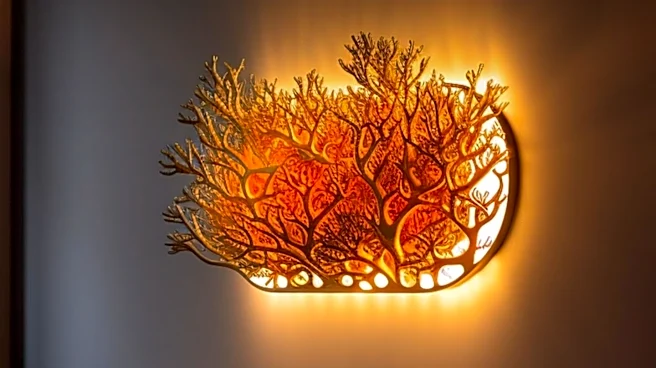
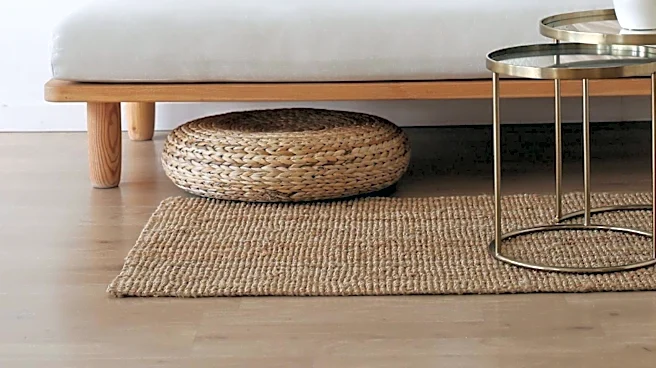
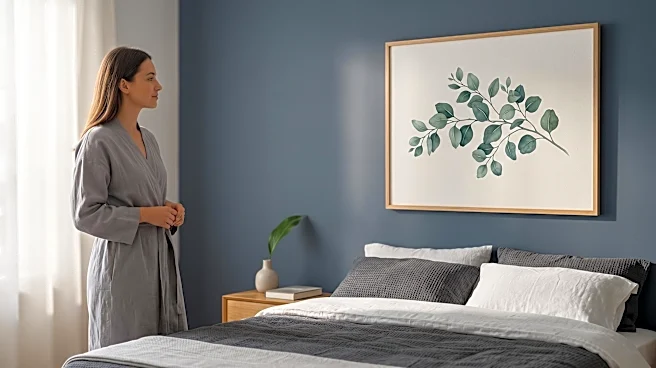
deep rust tones, and creamy off-whites. Wood tones are also shifting from gray-washed oak to rich walnut and honey-toned woods. A key emerging concept is 'textural maximalism,' which involves layering various textures such as bouclé, linen, raw wood, stone, metal, and plaster to create depth and tactile interest in spaces. Walls are becoming canvases for texture, with limewash finishes, Venetian plaster, and textured wallpapers replacing flat paint. This trend is partly attributed to a collective screen fatigue, leading to a desire for physical materials that engage multiple senses. Wall art is also evolving, favoring organic, flowing forms and pieces that show evidence of human creation, moving away from rigid geometric prints and perfect digital art.
Why It's Important?
This shift in home decor trends reflects broader societal changes, particularly a desire for more authentic and sensory experiences in living spaces. The move away from cool minimalism and towards warmth and textural maximalism suggests a public yearning for comfort, coziness, and a connection to natural elements. For U.S. industries, this means increased demand for specific materials like rich woods, textured wall finishes, and artisanal art pieces. Manufacturers and retailers in the home goods sector will need to adapt their product lines to meet these evolving preferences. The emphasis on sustainability, with a preference for reclaimed materials and sustainably sourced items, also highlights a growing consumer consciousness that will influence production and supply chains. This trend could also impact the real estate market, as homes designed with these updated aesthetics may be perceived as more current and desirable, potentially influencing property values and buyer interest.
What's Next?
As these trends gain momentum, consumers can expect to see a wider availability of products that align with warmth, textural maximalism, and organic forms in home decor stores and design showrooms. Interior designers will likely incorporate these elements into their projects, leading to a visible transformation in residential and commercial spaces. Manufacturers of paint, wallpaper, furniture, and art will continue to innovate to meet the demand for new textures, colors, and sustainable materials. The integration of biophilic design, which extends beyond houseplants to include natural patterns and maximized natural light, will become more sophisticated. Furthermore, the trend of 'personalization over perfection' suggests that individuals will increasingly seek unique pieces that reflect their personal stories and tastes, rather than adhering to a uniform, 'Instagram-perfect' aesthetic. This could lead to a rise in demand for custom-made items and vintage finds.
Beyond the Headlines
The shift in home decor trends goes beyond mere aesthetics, touching upon deeper psychological and cultural implications. The move from cool minimalism to warmth and textural maximalism can be seen as a societal response to the increasing digitalization of life, offering a tactile and comforting counterpoint to screen-dominated experiences. This emphasis on sensory engagement and natural materials may contribute to improved well-being and a greater sense of grounding within one's living environment. The growing importance of sustainability in design reflects a broader ethical consciousness, pushing industries towards more responsible sourcing and production practices. Moreover, the trend towards personalization and the rejection of 'Instagram aesthetics' signify a cultural move towards authenticity and individuality, where homes are curated to tell personal stories rather than conform to fleeting trends. This could foster a more meaningful connection between individuals and their living spaces, promoting a sense of belonging and self-expression.