


What's Happening?
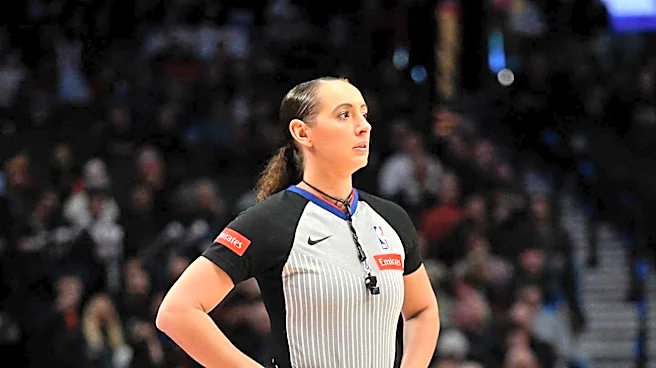
Toronto Raptors head coach Darko Rajaković recently engaged in discussions with NBA referees regarding the league's new officiating emphases for the upcoming season. This interaction, which took place at the Raptors' training facility, is part of an annual
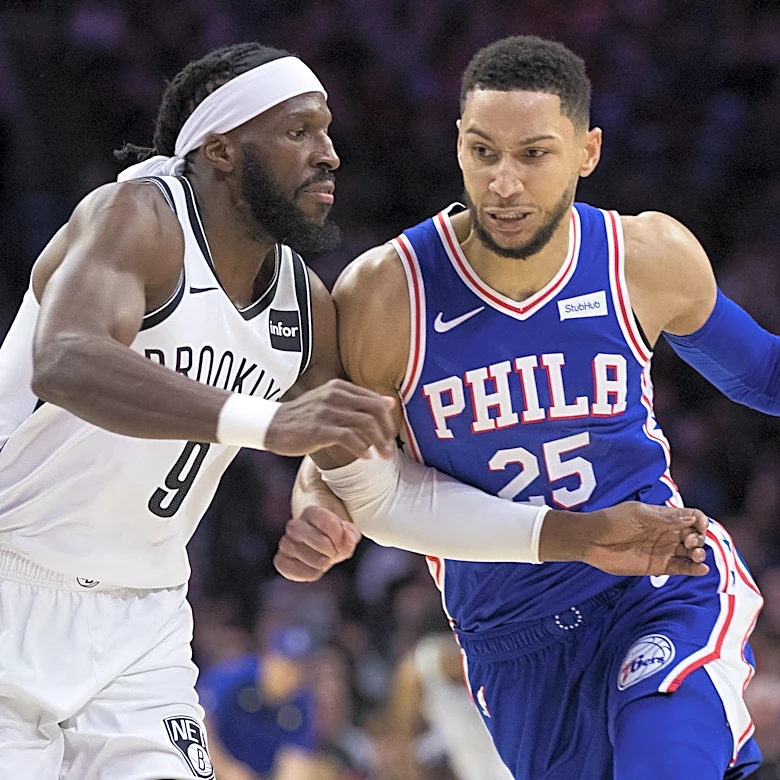
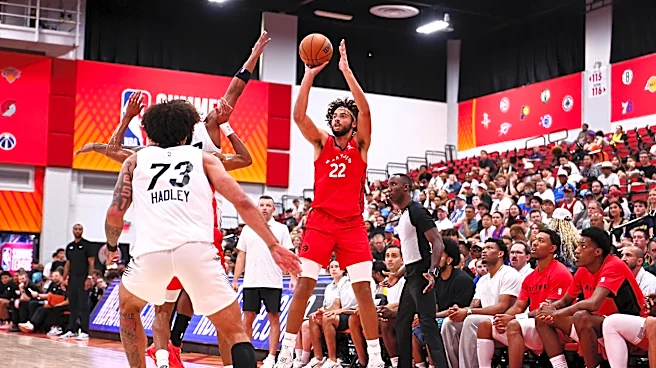
custom where referees visit teams to communicate changes and address concerns. Rajaković highlighted the importance of these conversations, noting the positive interaction and the value of direct communication between coaches, players, and officials. The new points of emphasis include a crackdown on straight-arm offensive push-offs, excessive pushing by screeners on defenders, and various actions that impede 'freedom of movement' on the perimeter and in the post. Players, including Scottie Barnes, are aware of these adjustments, with Barnes stating his focus remains on playing the game despite the rule tweaks. The league's initiative aims to clarify rules and ensure consistent enforcement across all games.
Why It's Important?
The NBA's renewed focus on specific officiating rules, as communicated to teams like the Toronto Raptors, is significant for several reasons. Firstly, it aims to enhance the flow and fairness of the game by reducing actions that create unfair advantages, such as offensive push-offs and illegal screens. This could lead to a more fluid and aesthetically pleasing style of play, benefiting both players and fans. Secondly, consistent enforcement of these rules across the league is crucial for maintaining competitive balance and preventing controversies arising from inconsistent calls. For players, understanding these emphases is vital to avoid unnecessary fouls and adapt their playing style, potentially impacting individual performance and team strategies. Coaches, like Rajaković, recognize that maintaining good relations and clear communication with officials can be pivotal, as referee decisions can directly influence game outcomes. The emphasis on 'freedom of movement' could particularly benefit offensive players, allowing for more dynamic plays and potentially increasing scoring opportunities.
What's Next?
As the NBA season approaches, teams and players will need to integrate these new officiating emphases into their game strategies and practices. Coaches will likely adjust their offensive and defensive schemes to comply with the stricter interpretations of rules regarding push-offs and screening. Players will have to be more mindful of their physical interactions on the court to avoid fouls, which could lead to a period of adjustment as they adapt to the new standards. The league will closely monitor the implementation of these rules, and there may be further clarifications or adjustments based on early-season observations. The success of this initiative will depend on the consistency of officiating and the willingness of players and coaches to adapt, ultimately shaping the competitive landscape of the upcoming NBA season. The ongoing dialogue between teams and officials, as exemplified by Rajaković's interaction, will be crucial for a smooth transition.
Beyond the Headlines
The NBA's continuous effort to refine its officiating rules, as seen with the recent emphases, reflects a broader trend in professional sports to adapt to evolving playing styles and maintain competitive integrity. This constant calibration of rules highlights the dynamic nature of sports, where strategies and player abilities push the boundaries of existing regulations. The focus on 'freedom of movement' and reducing illegal contact underscores a desire to promote skill and athleticism over brute force or deceptive tactics. Ethically, this move aims to ensure fair play and protect players from potentially dangerous or unsportsmanlike conduct. Culturally, these changes can influence how the game is perceived and enjoyed by fans, potentially leading to a more fast-paced and exciting product. The ongoing dialogue between the league, officials, and teams is essential for fostering a collaborative environment, ensuring that rule changes are understood and implemented effectively, and ultimately contributing to the long-term health and popularity of the sport.