







What's Happening?
Meta Muse, a personal AI agent launched by Meta on September 8, 2026, is rapidly gaining traction as a shopping tool, with over 10 million users setting it up in its first six weeks. Shopping is the primary use case for Muse, with more than a quarter
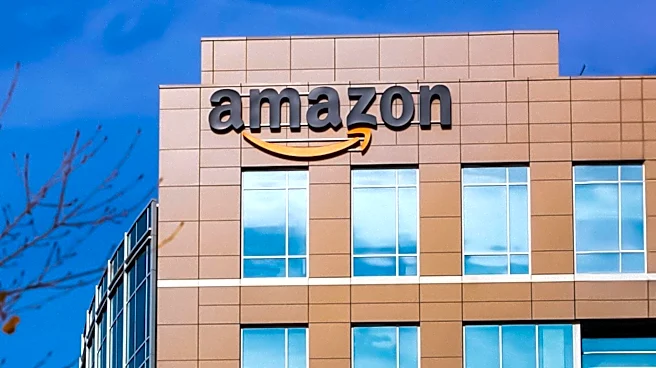
of its users making purchases through the agent, averaging over $200 per transaction. Unlike Meta AI, which primarily answers questions, Muse actively performs tasks such as booking travel, sending emails, filling out forms, and buying products. Muse operates on Muse Spark, Meta's flagship AI model, and is available on iOS, Android, Mac, and the web, with future integration planned for WhatsApp and Meta's AI glasses. Muse is free for most tasks, with power users paying for advanced models. A separate safety agent, Sentinel, approves all Muse actions before they reach the internet, and purchases are processed via Link by Stripe, offering one-time cards and purchase protections. Amazon has blocked Muse from shopping on its site, creating an opportunity for direct-to-consumer (DTC) brands.
Why It's Important?
Meta Muse represents a significant shift in the e-commerce landscape for U.S. brands and consumers. Its rapid adoption and high average purchase size indicate a strong consumer willingness to delegate shopping tasks to AI agents. For e-commerce brands, Muse acts as a new storefront, requiring them to optimize their product catalogs for AI readability rather than just visual appeal. Brands selling on Shopify can integrate directly, while others need to ensure their websites are agent-friendly, with clear product data and guest checkout options. The blocking of Muse by Amazon creates a competitive advantage for DTC brands, as Muse can only direct sales to their independent stores. This development underscores the growing importance of AI-driven shopping channels and necessitates a strategic re-evaluation of digital marketing and product data management for businesses aiming to capture this emerging market segment. The security features like Sentinel and Link by Stripe also build consumer trust, facilitating higher transaction volumes.
What's Next?
E-commerce brands will need to prioritize optimizing their product catalogs for AI agents like Muse, focusing on detailed, clear, and accurate product descriptions, specifications, and pricing. This includes ensuring product pages are easily readable by AI, avoiding elements like CAPTCHAs or pop-ups that can hinder agent interaction. Meta is expected to continue refining Muse's shopping capabilities and potentially introduce new features for brands, although details on ranking algorithms, transaction fees, or specific ad units for Muse are yet to be announced. The competition between AI shopping agents will likely intensify, pushing platforms to offer more sophisticated and secure purchasing experiences. Brands should also monitor how Muse's integration with Meta's AI glasses and WhatsApp evolves, as these could become significant new touchpoints for AI-driven commerce. Testing how Muse interacts with their online stores will be crucial for brands to identify and resolve any friction points.
Beyond the Headlines
The rise of AI shopping agents like Meta Muse has profound implications for consumer behavior, brand loyalty, and the future of retail. As AI agents become more sophisticated, they could disintermediate traditional brand-consumer relationships, with purchasing decisions increasingly influenced by AI algorithms rather than direct brand engagement. This shifts the competitive battleground from marketing aesthetics to data quality and AI-readiness. Ethical considerations around AI's influence on purchasing decisions, potential biases in product recommendations, and the transparency of how products are ranked will become critical. Furthermore, the security measures implemented by Meta, such as Sentinel and Link by Stripe, highlight the growing need for robust trust and safety frameworks in AI-driven transactions. The long-term impact could see a transformation of the retail experience, where AI agents act as personal shoppers, managing everything from wish lists to price tracking and automated purchases, fundamentally altering how consumers discover and acquire goods.