



What's Happening?
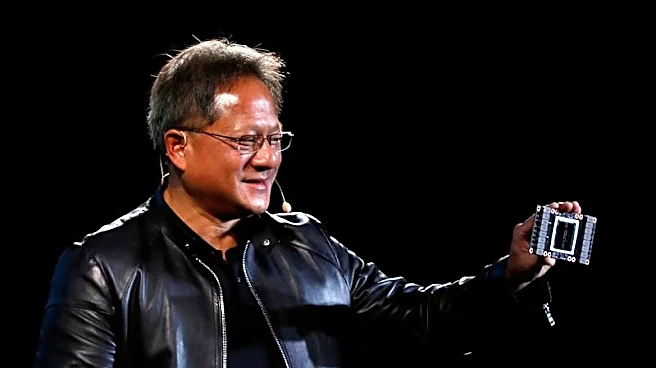
Jensen Huang, CEO of Nvidia, has returned to his position and held an all-hands meeting where he apologized to employees, expressing remorse and stating he is in therapy. This follows his earlier resignation due to admitted extramarital affairs, one of which
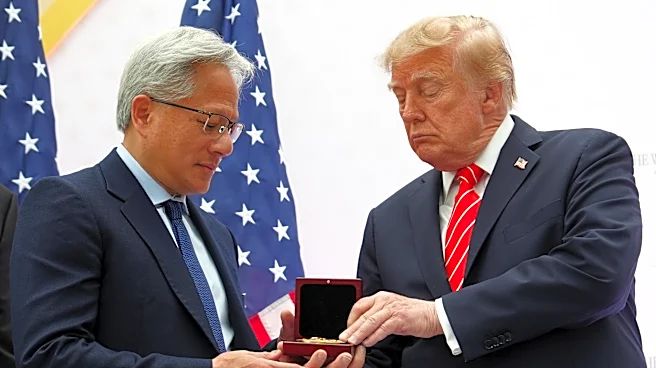
involved an individual suspected by the U.S. government of being a Chinese spy. His reinstatement came after significant pressure from Washington, including calls from Vice President JD Vance and President Trump, who reportedly vouched for Huang directly to the board. Huang downplayed President Trump's role but thanked the administration for providing intelligence that helped the board assess national security risks. During the meeting, Huang admitted to breaching Nvidia's code of conduct, which he largely authored, but indicated that mitigating circumstances would be considered for violations. He also addressed succession planning, stating the company's unique model does not require a formal plan, which he believes would create unnecessary hierarchy. This flat structure, with Huang overseeing approximately 60 direct reports, has been a long-standing design choice for Nvidia.
Why It's Important?
The reinstatement of Jensen Huang and the surrounding circumstances carry significant implications for Nvidia, its board, and U.S. national security. Yale management scholar Jeffrey Sonnenfeld has criticized the board's decision, arguing they capitulated under political pressure and now face historic personal liability, potentially exacerbated by an inadequate directors and officers insurance policy. Sonnenfeld highlights that the board reversed course on Huang's return while still investigating potential foreign intelligence targeting, suggesting a lack of due diligence. The situation also raises concerns about the enforceability of Nvidia's code of conduct, given Huang's admission of a breach. Furthermore, the controversy has intensified scrutiny on Nvidia's chip exports, with research suggesting advanced Nvidia chips have reached China despite export controls, a claim Nvidia denies. This could impact U.S. efforts to restrict China's access to advanced AI technology and potentially lead to further regulatory actions against Nvidia.
What's Next?
Jensen Huang is scheduled to appear before a public Senate Banking Committee hearing next week, followed by closed sessions with the House Intelligence, Foreign Affairs, and China Select committees. These appearances will likely focus on the circumstances of his reinstatement, national security implications, and Nvidia's compliance with export controls. The company also faces mounting legal challenges, with several shareholder lawsuits already filed in Northern California, and Sonnenfeld anticipates around 30 in total. Nvidia is also under a Justice Department antitrust investigation, a reported SEC accounting probe, a possible FBI review, a California subpoena, and an export-control case involving partner Megaspeed. The opposition from 14 Republican senators, including Pete Ricketts, Josh Hawley, Tom Cotton, and John Cornyn, indicates continued political scrutiny and potential legislative action regarding Nvidia's operations and leadership.
Beyond the Headlines
The controversy surrounding Jensen Huang's reinstatement at Nvidia extends beyond immediate corporate governance and national security concerns, touching upon broader themes of corporate accountability, political influence in business, and the integrity of U.S. export controls. The board's decision to reinstate Huang despite ongoing investigations into potential foreign intelligence targeting raises questions about the independence of corporate boards when faced with high-level political intervention. The situation also underscores the challenges in enforcing export controls on advanced technology, particularly when demand is high and supply chains are complex. The debate over Huang's essentiality to Nvidia, with Sonnenfeld crediting other individuals like Chris Malachowsky, Jonah Alben, and CUDA architect Ian Buck for core technology, highlights the often-complex nature of innovation and leadership within tech giants. This event could set precedents for how U.S. companies navigate national security concerns, executive conduct, and political pressure in an increasingly interconnected and competitive global landscape.