



What's Happening?
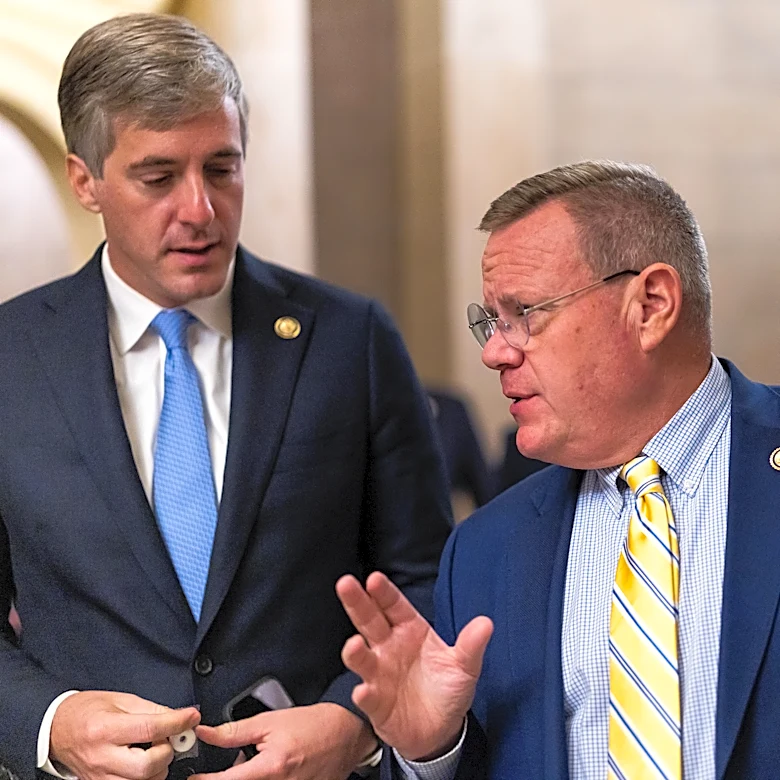
U.S. Representative Brad Finstad of Minnesota's 1st District has supported a federal grant of $10.2 million for Red Wing Grain. This funding, from the Maritime Administration’s Port Infrastructure Development Program, is allocated to the city of Red Wing and
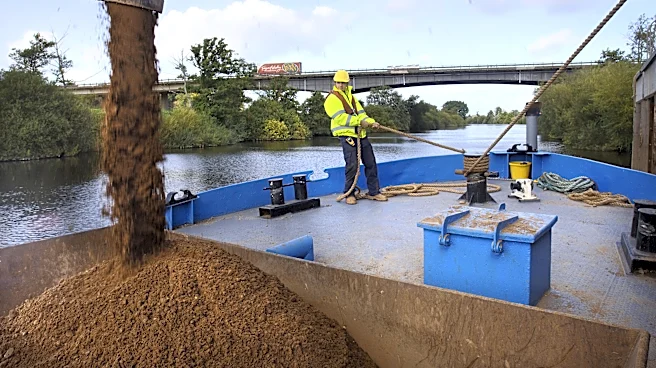
Red Wing Grain LLC. The grant will facilitate the replacement of the port's aging barge loading system, conveyors, electric winch, and dust collection systems. The current infrastructure includes a 50-year-old barge loading system and a 70-year-old winch system. Jim Larson, general manager of Red Wing Grain, noted that the plant is 71 years old, with some components dating back 40 to 70 years. The modernization project aims to nearly double the speed at which barges are filled with corn and soybeans, enhance safety for workers, and allow for extended truck unloading hours during peak harvest seasons. The project also includes a new electrical room and flood protection measures for parts of the site.
Why It's Important?
This federal grant is crucial for maintaining a vital export route for over 1,200 farmers in Minnesota and Wisconsin who supply grain to Red Wing Grain. The current system's age poses a significant risk of major breakdowns, which could severely impact the business and disrupt the supply chain for agricultural exports. By doubling loading speeds, the modernized system will improve efficiency, reduce operational bottlenecks, and enhance the port's competitiveness. This upgrade also addresses safety concerns, as workers will spend less time on barges and handle cables less frequently. The project ensures that Red Wing Grain can continue to serve as a key link in the global agricultural market, shipping over 500 barges of grain annually to destinations in Asia, South America, and Africa, thereby supporting the regional agricultural economy and farmers' access to international markets.
What's Next?
While the $10.2 million grant has been awarded, Red Wing Grain still needs to fulfill the grant's requirements before construction can commence. General Manager Jim Larson indicated that it is too early to establish a definitive construction schedule, partly due to potential delays in acquiring necessary materials such as steel and conveyors. The company plans to conduct most of the upgrade work during the winter months, from November through March, to avoid disrupting critical loading operations, which typically run from April until the river freezes near Thanksgiving. The earliest construction could begin is next winter, though Larson suggested the project might extend over two years. For farmers, the long-term implication is the securing of a reliable export outlet for their grain for several decades, aiming to increase market efficiency and potentially improve grain prices.
Beyond the Headlines
The investment in Red Wing Grain's infrastructure highlights a broader national challenge of maintaining and upgrading aging transportation and export facilities. Many U.S. ports and agricultural logistics hubs rely on decades-old equipment, making them vulnerable to operational failures and less competitive globally. This grant underscores the federal government's recognition of the strategic importance of such infrastructure for national economic stability and agricultural trade. The project also reflects a growing emphasis on supply chain resilience, particularly in the agricultural sector, ensuring that U.S. produce can efficiently reach international markets. Furthermore, the focus on worker safety within the project signals a broader trend towards integrating safety improvements with infrastructure modernization, recognizing that operational efficiency and employee well-being are interconnected.