


What's Happening?
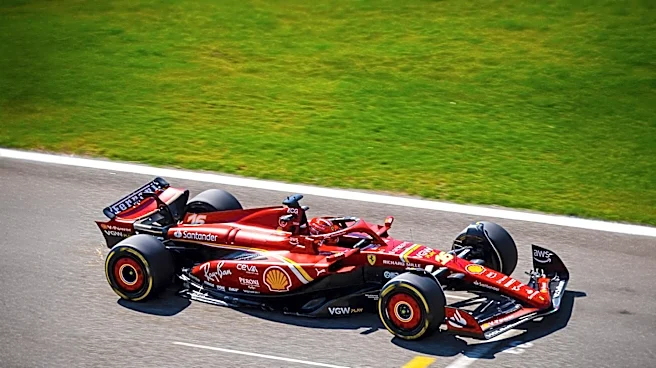
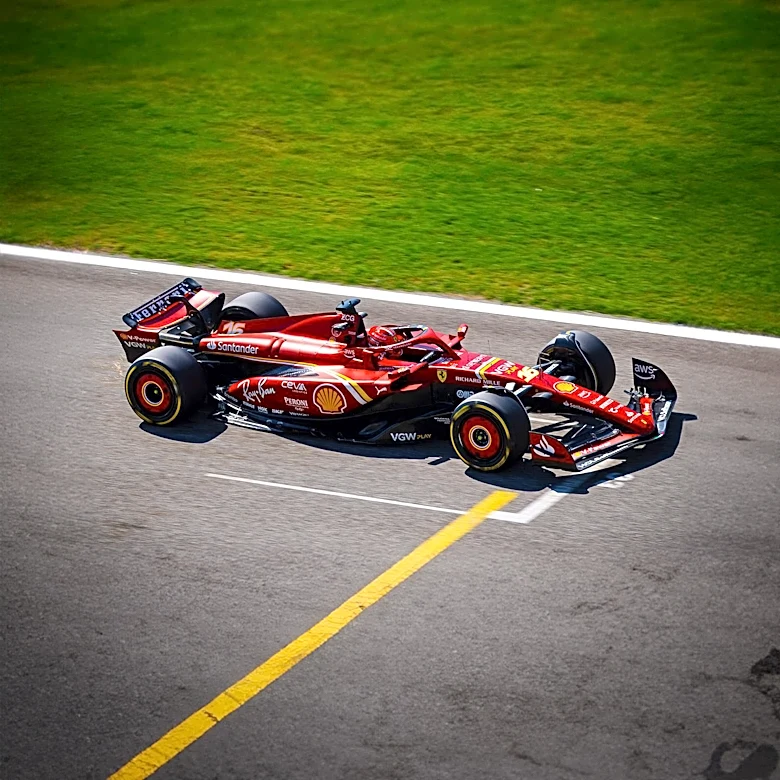
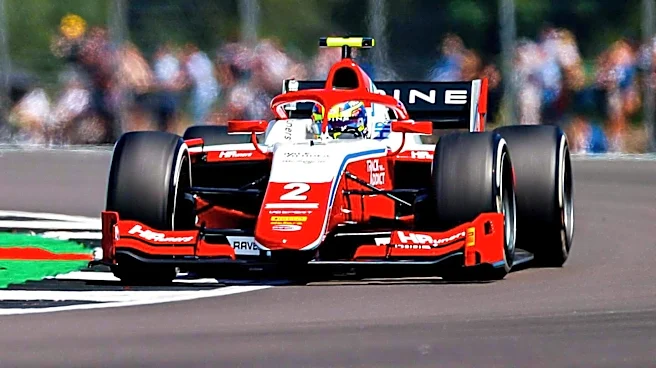
Charles Leclerc, driving for Ferrari, recently participated in a test session at Imola, evaluating new Pirelli prototype tires intended for the 2027 Formula 1 season. The test, which also included Lewis Hamilton in the morning session, involved fitting
the softest compounds (C3, C4, and C5) and completing stints of five performance laps. Leclerc drove 63 laps, covering 309 kilometers, and recorded a best time of 1:18.832 minutes. These times are not indicative of true race pace as the drivers were not pushing for lap times. The track temperature during Leclerc's session was 50 degrees Celsius, with air temperatures reaching 32 degrees. This testing is part of ongoing development for future Formula 1 regulations and tire specifications.
Why It's Important?
This tire testing is crucial for the future of Formula 1, as it directly impacts vehicle performance, race strategies, and driver safety for the 2027 season. The data gathered from drivers like Charles Leclerc helps Pirelli refine tire compounds and constructions to meet the demands of evolving car designs and racing conditions. For teams like Ferrari, early involvement in tire development provides valuable insights that can influence car design and setup, potentially offering a competitive edge. The introduction of new tire specifications can significantly alter the competitive landscape, requiring teams to adapt their engineering and driving styles. This proactive development ensures that the sport maintains its high standards of performance and safety while preparing for future technical regulations.
What's Next?
The data collected from Charles Leclerc's and Lewis Hamilton's testing sessions will be analyzed by Pirelli and shared with Formula 1 teams to further develop the 2027 prototype tires. Additional testing sessions are likely to follow, involving more drivers and circuits, to gather a comprehensive understanding of the tires' performance under various conditions. The insights gained will inform the final specifications of the tires, which will be crucial for teams as they design their cars for the 2027 season. Furthermore, the test at Imola could serve as a 'dress rehearsal' for a potential season finale at the circuit, should the situation in the Middle East prevent races in Qatar and Abu Dhabi from proceeding as planned.
Beyond the Headlines
The continuous development of Formula 1 tires, as demonstrated by Leclerc's testing, highlights the sport's commitment to innovation and safety. Beyond the immediate performance implications, tire technology plays a significant role in the environmental sustainability efforts of Formula 1, with a focus on developing more durable and efficient compounds. The collaboration between tire manufacturers and teams also fosters a deeper understanding of vehicle dynamics and material science, which can have broader applications in automotive engineering. The strategic importance of tire development underscores the intricate balance between technological advancement, competitive fairness, and the spectacle of racing, ensuring the sport remains at the forefront of motorsport innovation.