





What's Happening?
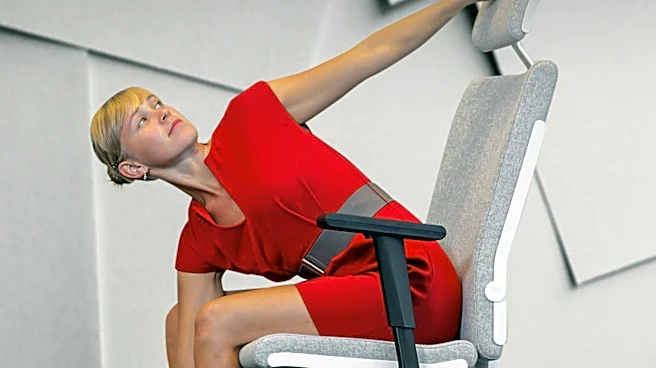
Portia Page, a Balanced Body Educator and NCPT, highlights the effectiveness of chair-based exercises for improving balance, particularly for individuals over 65. These exercises offer a safe and stable environment for balance training, which is crucial
as balance naturally declines with age. Page explains that balance is not a single ability but rather a complex interplay of the vestibular, visual, and somatosensory systems, along with mobility, strength, coordination, confidence, and reaction time. Chair exercises address several of these components while mitigating the fear of falling, which can often deter individuals from engaging in balance training. Examples of recommended exercises include Sit-to-Stand, Seated Marching, Seated Heel-to-Toe Raises, Seated Weight Shifts and Reaches, and Supported Standing Weight Shift to Single-Leg Balance. These exercises are designed to be progressive, allowing individuals to gradually increase the challenge as their balance improves, moving from fully seated to supported standing and eventually to more challenging unsupported exercises.
Why It's Important?
The emphasis on chair-based balance exercises for seniors holds significant importance for public health and healthcare systems in the U.S. Falls are a leading cause of injury and death among older adults, resulting in substantial healthcare costs and reduced quality of life. By promoting accessible and safe balance training methods, such as those utilizing a chair, there is potential to significantly reduce the incidence of falls. This can lead to lower emergency room visits, fewer hospitalizations for fall-related injuries, and decreased long-term care needs. For individuals, improved balance translates to greater independence, enhanced mobility, and increased confidence in daily activities, fostering a more active and engaged lifestyle. Public health initiatives and senior wellness programs could integrate these types of exercises to provide practical, low-cost interventions that empower older adults to maintain their physical health and prevent debilitating injuries, thereby alleviating pressure on healthcare resources and improving overall societal well-being.
What's Next?
The continued promotion and integration of chair-based balance exercises into senior wellness programs, community centers, and physical therapy routines are likely next steps. Healthcare providers and fitness professionals may increasingly recommend these accessible exercises as a primary method for fall prevention among older adults. Educational campaigns could be launched to inform seniors and their caregivers about the benefits and proper execution of these exercises. Research may further explore the long-term efficacy of chair-based training compared to other balance interventions, potentially leading to updated guidelines for senior fitness. Additionally, the development of digital platforms or apps offering guided chair exercise routines could make these programs even more widely available, reaching a larger segment of the senior population. The goal will be to make balance training a routine and integral part of healthy aging, reducing the societal and personal burden of falls.
Beyond the Headlines
Beyond the immediate physical benefits, the adoption of chair-based balance exercises touches upon deeper psychological and social implications for older adults. The fear of falling is a significant barrier to physical activity and social engagement for many seniors, leading to isolation and a decline in overall well-being. By providing a safe and confidence-building approach to balance training, these exercises can empower individuals to overcome this fear, encouraging them to remain active and connected within their communities. This fosters a sense of self-efficacy and control over their health, which is crucial for mental and emotional well-being in later life. Furthermore, the accessibility of chair exercises promotes inclusivity, allowing individuals with varying levels of mobility or those recovering from injuries to participate. This approach underscores a holistic view of aging, where physical health is intertwined with psychological resilience and social participation, contributing to a more vibrant and independent senior population.