


What's Happening?
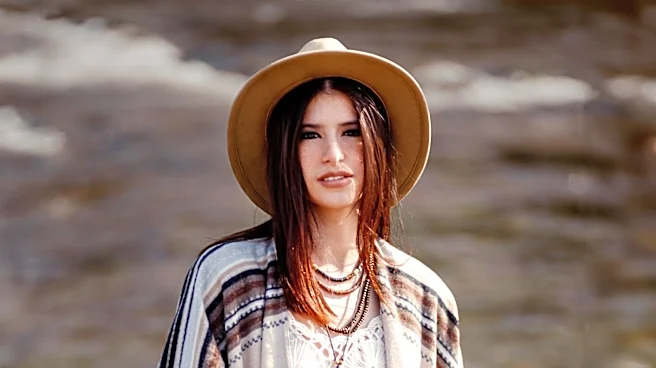
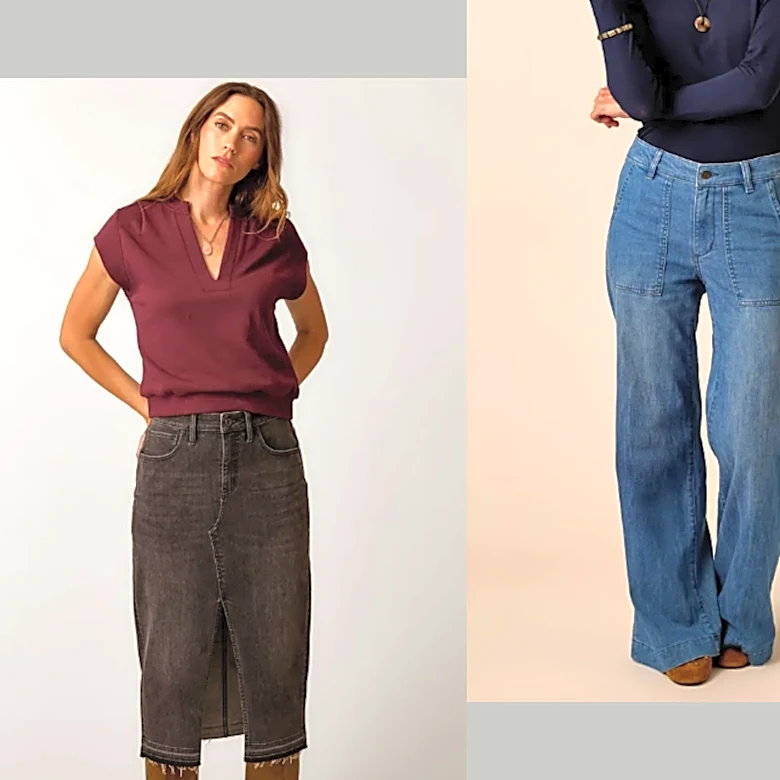
Walmart has introduced 'Scenario,' a new women's fashion brand that emphasizes a romantic, modern bohemian aesthetic. The collection, now available in Walmart stores and on Walmart.com, comprises 280 pieces including apparel, shoes, jewelry, handbags,
and accessories. The majority of these items are priced under $25, aiming to provide accessible fashion to a broad customer base. Scenario's designs incorporate feminine silhouettes, vintage-inspired prints, and rich textures, with versatile pieces suitable for everyday wear. Examples include airy blouses, printed dresses, lived-in denim, braided flats, and accessories adorned with fringe, tassels, and artisanal details. This launch follows Walmart's observation that nearly one in five women identifies 'boho' as a top style preference, reinforcing the enduring appeal of modern bohemian fashion. The brand seeks to offer an expressive yet effortless style that aligns with customer desires for feminine and distinctive clothing at an affordable price point.
Why It's Important?
The introduction of 'Scenario' by Walmart is significant as it taps into a popular and enduring fashion trend—modern bohemian style—making it accessible to a wider demographic through its extensive retail network and competitive pricing. By offering a 280-piece collection with most items under $25, Walmart is directly addressing consumer demand for stylish yet affordable clothing. This move could strengthen Walmart's position in the competitive fashion retail market, attracting customers who seek trendy options without a high price tag. The brand's focus on 'vintage-inspired prints' and 'artisanal details' also caters to a growing consumer interest in unique and character-rich apparel. For the fashion industry, this launch highlights the continued influence of bohemian aesthetics and the strategy of major retailers to democratize fashion trends, potentially impacting smaller boutiques and online retailers that specialize in similar styles. It also underscores Walmart's ongoing efforts to expand its private label offerings and enhance its fashion credibility.
What's Next?
Following the launch of 'Scenario,' Walmart will likely monitor sales performance and customer feedback to inform future collections and potential expansions of the brand. Success could lead to increased investment in similar trend-driven private labels, further solidifying Walmart's presence in the fashion sector. Competitors in the affordable fashion market may respond by adjusting their own offerings or pricing strategies to retain their customer base. Consumers can expect to see more marketing efforts promoting 'Scenario' across various platforms, emphasizing its style and value proposition. The brand's performance will also indicate the broader market's appetite for accessible, vintage-inspired bohemian fashion, potentially influencing other retailers to adopt similar strategies. Future collections may introduce seasonal variations or expand into other product categories if the initial launch proves successful, further integrating the bohemian aesthetic into Walmart's overall merchandise strategy.
Beyond the Headlines
The launch of 'Scenario' reflects a broader trend in retail where large chains are increasingly leveraging data analytics and trend forecasting to create highly targeted private labels. This strategy allows Walmart to capture specific market segments, like those drawn to bohemian styles, while maintaining its core value proposition. Beyond fashion, this move also speaks to the evolving perception of discount retailers, which are now actively competing on style and trendiness, not just price. The emphasis on 'vintage-inspired' elements also taps into a cultural nostalgia and a desire for unique, less mass-produced aesthetics, even within a mass-market context. This could lead to a further blurring of lines between high-end and affordable fashion, as consumers find similar aesthetic values across different price points. Ethically, the brand's success could also influence discussions around fast fashion and sustainability, as large-scale production of trendy items often raises questions about environmental impact and labor practices, even if the brand itself does not explicitly address these in its launch.