







What's Happening?
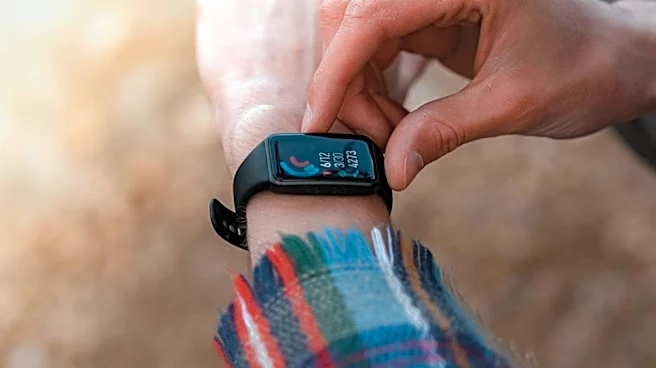
The Fitbit Air, a fitness tracker known for its sleek design and lack of physical buttons, includes a hidden reset button on its charger. This button is primarily for troubleshooting purposes, allowing users to reset the device if it becomes unresponsive
or fails to sync correctly with the Google Health app. To perform a reset, users must ensure the charger is plugged in, connect the Fitbit Air to it, and then hold down the button for approximately 10 seconds until a white status light flashes on the device, indicating a successful restart. This feature addresses potential issues such as incorrect tracking or syncing problems, providing a simple solution for common device malfunctions.
Why It's Important?
This hidden troubleshooting feature on the Fitbit Air charger is important for maintaining user satisfaction and device functionality. In an increasingly connected world where fitness trackers are integral to many individuals' health routines, a non-responsive device can be a significant inconvenience. The ability to easily reset the Fitbit Air without needing to contact customer support or perform complex procedures enhances the user experience. This design choice also reflects a broader trend in consumer electronics to embed simple, user-accessible troubleshooting mechanisms, reducing the burden on technical support and improving product reliability. For Fitbit, ensuring a smooth user experience is crucial for retaining its customer base in the competitive wearables market, where device reliability and ease of use are key differentiators.
What's Next?
While the hidden button is a useful feature, its infrequent use suggests that most Fitbit Air devices function without major issues. However, as technology evolves and devices become more complex, the need for such troubleshooting tools may increase. Future iterations of fitness trackers might integrate more advanced self-diagnostic capabilities or clearer instructions for utilizing these hidden features. For users, understanding the function of this button can prevent unnecessary frustration and potential device returns. Manufacturers like Fitbit will likely continue to balance minimalist design with essential troubleshooting functionalities to cater to a diverse user base, from tech-savvy individuals to those who prefer straightforward solutions for their devices.
Beyond the Headlines
The existence of a hidden reset button on the Fitbit Air charger highlights a subtle but significant aspect of product design: anticipating and addressing user pain points without cluttering the primary user interface. This approach reflects a design philosophy that prioritizes simplicity for everyday use while providing essential tools for less common, but critical, situations. It also underscores the challenge for manufacturers in balancing aesthetic minimalism with practical functionality. The fact that many users are unaware of this button until a problem arises speaks to its discreet integration, yet its presence is a testament to the foresight in product development to ensure device longevity and user autonomy in resolving minor technical glitches. This design choice contributes to the overall perceived reliability and user-friendliness of the Fitbit Air.