






What's Happening?
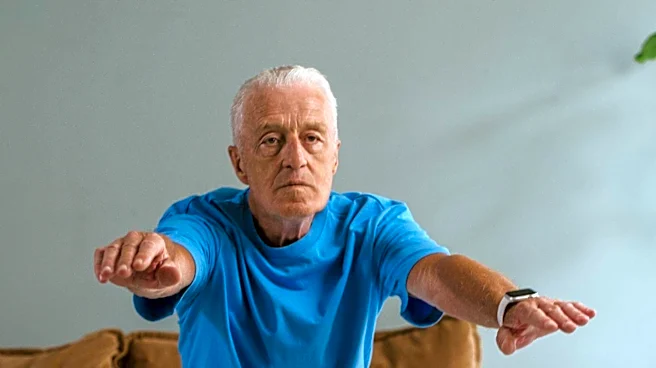
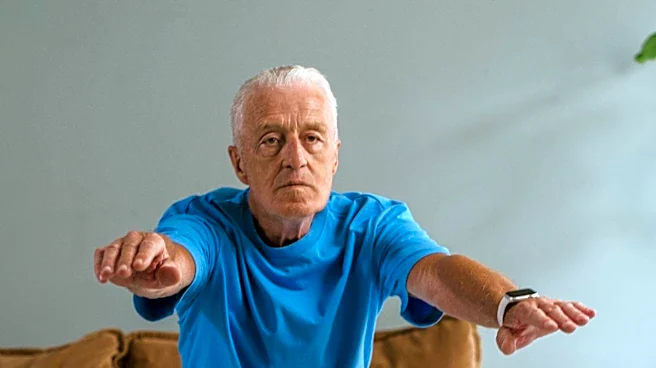
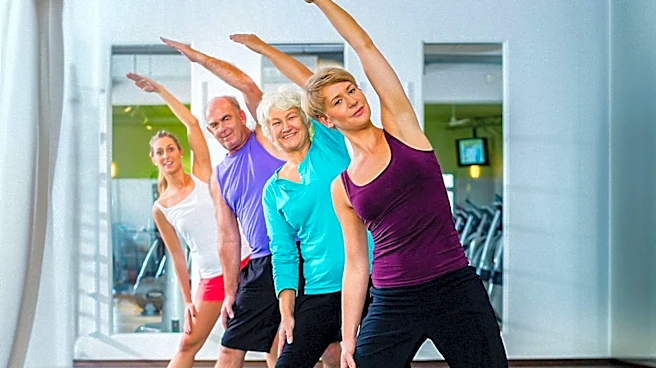
The Langley Park Senior Activity Center is providing a free exercise program called Senior Fit. This program is specifically designed for older adults and focuses on improving strength, balance, agility, and cardiovascular fitness. The primary goals of
Senior Fit are to help prevent falls, assist in managing chronic illnesses, and enhance the overall quality of life for participants. The initiative aims to provide accessible fitness opportunities to seniors in the community, addressing common health concerns associated with aging through structured physical activity. The program emphasizes a holistic approach to senior wellness, integrating various components of physical fitness to support long-term health and independence. This offering reflects a growing trend in community centers to provide specialized programs catering to the unique health needs of the senior population.
Why It's Important?
This program is important because it directly addresses critical health challenges faced by seniors, such as the risk of falls and the management of chronic diseases. Falls are a leading cause of injury and disability among older adults, and programs that enhance balance and strength can significantly reduce this risk. By offering the program for free, the Langley Park Senior Activity Center removes financial barriers, making essential health and wellness resources accessible to a broader segment of the senior population. This can lead to improved public health outcomes, reduced healthcare costs associated with age-related injuries and illnesses, and a higher quality of life for participants. Furthermore, such community-based initiatives foster social engagement, which is also crucial for mental well-being in older adults.
What's Next?
The continued availability and potential expansion of programs like Senior Fit could lead to broader participation and improved health metrics within the senior community. Success in this program might encourage other community centers or local governments to implement similar free or low-cost fitness initiatives for older adults. Future steps could involve tracking participant outcomes, such as fall rates or improvements in chronic disease markers, to demonstrate the program's effectiveness and secure continued funding or support. There may also be opportunities for partnerships with healthcare providers to integrate these fitness programs into a more comprehensive senior care strategy, further enhancing their impact on public health.
Beyond the Headlines
Beyond the immediate health benefits, programs like Senior Fit contribute to a larger societal shift towards proactive aging and community-based health solutions. They challenge the traditional view of aging as a period of inevitable decline by promoting active lifestyles and continuous physical engagement. Ethically, providing free access to such programs underscores a commitment to equitable health opportunities for all age groups, particularly those who may face economic or physical barriers to fitness. Culturally, these initiatives help to build stronger, more connected communities by offering seniors a dedicated space for physical activity and social interaction, combating isolation and fostering a sense of belonging. This approach can lead to a more resilient and healthier aging population overall.