







What's Happening?
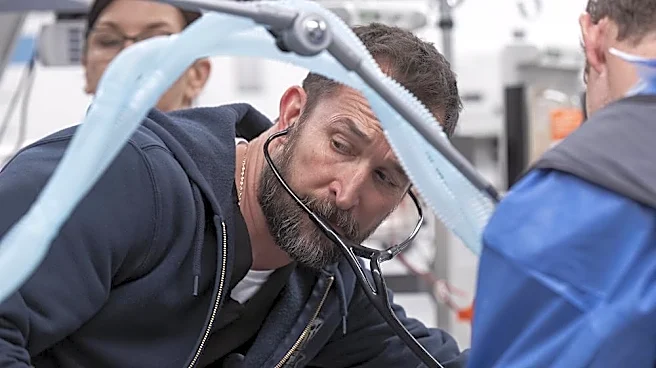
A U.S. appeals court has ruled that the estate of 'ER' creator Michael Crichton can proceed with its lawsuit against Warner Bros. Television and the creators of 'The Pitt.' Sherri Crichton, Michael Crichton's widow, filed the lawsuit in August 2024, alleging
that 'The Pitt' is an unauthorized reboot of 'ER.' The court found 'clear and numerous similarities' between the two medical dramas, both of which are set in emergency rooms, feature medical jargon, overlapping crises, and exhausted medical staff. The ruling denied an appeal from Warner Bros. Television to dismiss the case, which had cited California's anti-SLAPP law. The lawsuit stems from a 1994 agreement between Michael Crichton and Warner Bros. that prohibited the creation of derivative material from 'ER' without his or his estate's permission. While the court allowed the suit against WBTV to proceed, it dismissed Noah Wyle, John Wells, and Scott Gemmill as individual defendants, finding no evidence they were aware of violating Crichton's contractual rights.
Why It's Important?
This appeals court decision has significant implications for intellectual property rights in the entertainment industry, particularly concerning established franchises and creator agreements. The ruling underscores the importance of contractual obligations regarding spin-offs and reboots, potentially setting a precedent for how studios approach adapting or continuing popular series. For creators and their estates, it reinforces their ability to protect their original works and control their future development. Conversely, for studios like Warner Bros. Television, it highlights the legal risks associated with developing new content that bears strong resemblances to existing intellectual property, even if intentions are to create a distinct project. The case could lead to increased scrutiny of development processes for new shows, especially those with thematic or personnel overlaps with successful predecessors, potentially influencing how creative teams are assembled and how projects are pitched and greenlit.
What's Next?
The lawsuit will now proceed to a jury trial in Los Angeles, unless the involved parties reach a settlement beforehand. This trial will delve deeper into the alleged similarities between 'ER' and 'The Pitt' and the contractual obligations of Warner Bros. Television. The outcome could either affirm the estate's claims, potentially leading to significant financial compensation or other remedies, or side with Warner Bros., establishing that the similarities were not substantial enough to constitute a breach of contract. Regardless of the verdict, the case is likely to be closely watched by legal professionals and industry executives, as it could influence future negotiations and legal strategies concerning intellectual property in television production. The ongoing legal battle may also impact public perception of 'The Pitt' and its creators, despite the show's Emmy success.
Beyond the Headlines
Beyond the immediate legal and financial ramifications, this case touches upon the broader ethical considerations of creative inspiration versus intellectual property infringement. The defendants' argument that certain elements are 'generic' to medical dramas raises questions about the boundaries of genre conventions and unique creative expression. The ruling's emphasis on 'clear and numerous similarities' suggests that while genre tropes are permissible, a pattern of specific resemblances can cross into actionable territory. This situation also highlights the enduring legacy of successful television shows like 'ER' and the complex challenges of evolving or reinterpreting such narratives in a way that respects original creators while allowing for new artistic endeavors. The case could prompt a re-evaluation of how 'homage' or 'inspiration' is distinguished from unauthorized derivative works in the entertainment industry.