




What's Happening?
A recent Consumer Reports survey reveals that 68% of Americans are experiencing financial strain due to home energy costs, with approximately a quarter reporting significant strain. In response, Consumer Reports experts are offering practical advice and
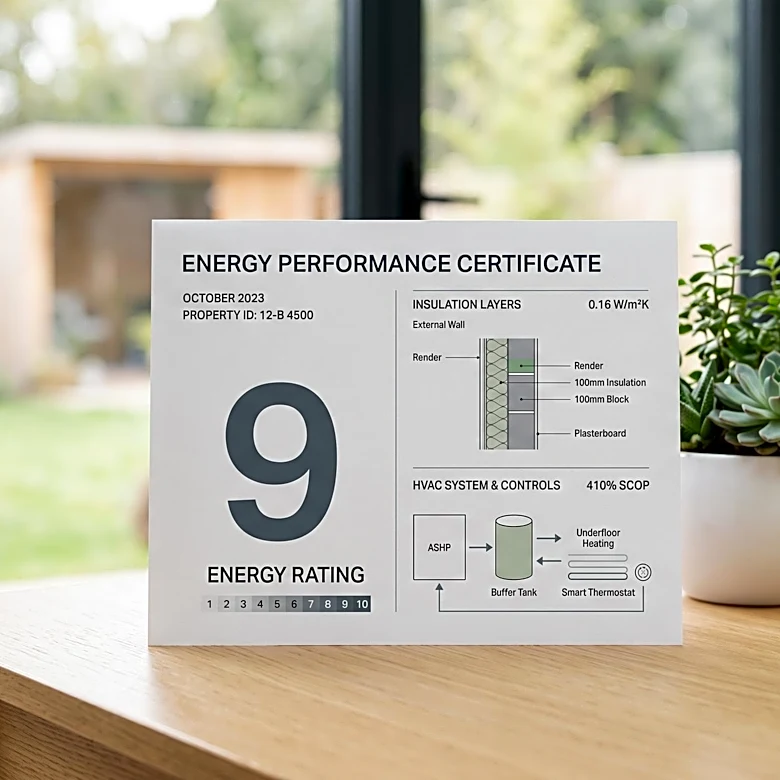
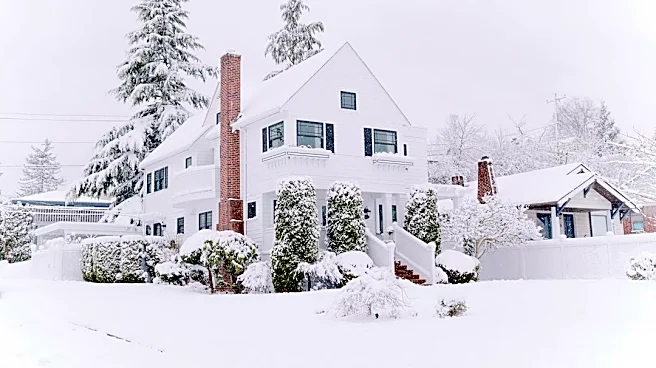
tools to help consumers reduce their energy bills, particularly as colder weather approaches. A primary recommendation is to conduct an energy audit to identify areas of energy waste; many utility companies offer these audits for free or at a low cost. Key strategies include improving home insulation in attics, basements, and crawl spaces, and sealing air gaps around windows and doors using insulation kits. Additionally, regular maintenance of heating systems like chimneys, furnaces, and boilers is advised to ensure peak performance and safety. For appliances, cleaning refrigerator coils and using moisture-sensor cycles on electric clothes dryers are suggested for year-round savings. Consumer Reports has also launched a new tool to help consumers understand their electric bills and find further savings.
Why It's Important?
The widespread financial strain reported by Americans due to energy costs highlights a significant economic burden on households, impacting disposable income and overall financial well-being. The guidance from Consumer Reports is crucial for empowering individuals to take actionable steps to mitigate these costs, thereby improving household budgets and reducing financial stress. By focusing on practical, often low-cost solutions like insulation and appliance maintenance, consumers can achieve tangible savings without major investments. This initiative also promotes energy efficiency, which has broader environmental benefits by reducing overall energy consumption and carbon footprints. The availability of free or low-cost energy audits from utilities underscores a collaborative effort between consumer advocacy groups and energy providers to address a pressing consumer need, fostering greater energy literacy and sustainable practices.
What's Next?
Consumers are encouraged to immediately implement the recommended energy-saving strategies, starting with a home energy audit if available through their utility provider. Utilizing window insulation kits, sealing drafts, and ensuring proper insulation in key areas of the home are immediate steps. Scheduling inspections and servicing for heating systems before winter is also critical for both efficiency and safety. Regular maintenance of appliances like refrigerators and dryers should become routine. Consumers can also access the new tool provided by Consumer Reports to gain a better understanding of their electric bills and identify personalized saving opportunities. The ongoing adoption of these practices could lead to sustained reductions in energy consumption and costs for many households across the U.S.
Beyond the Headlines
The persistent issue of high energy costs and their impact on American households points to deeper systemic challenges, including energy market fluctuations, infrastructure limitations, and the need for more widespread adoption of energy-efficient housing standards. While individual actions are important, broader policy initiatives supporting energy efficiency upgrades, renewable energy adoption, and consumer education could provide more comprehensive and long-term relief. The financial strain also disproportionately affects lower-income households, underscoring the need for targeted assistance programs and equitable access to energy-saving technologies. This situation highlights the intersection of economic stability, environmental sustainability, and public policy, suggesting that a multi-faceted approach is required to address the root causes of energy cost burdens and promote a more resilient and affordable energy future for all Americans.