








What's Happening?
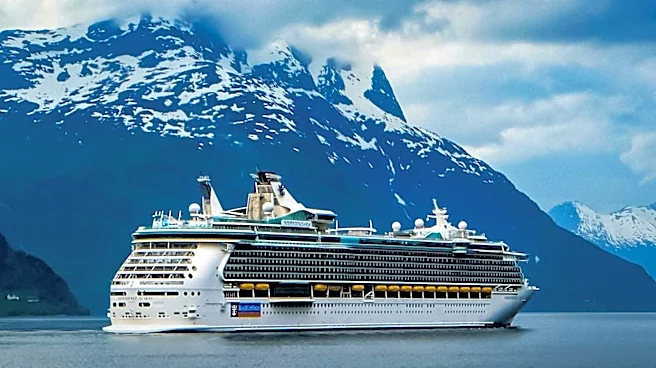
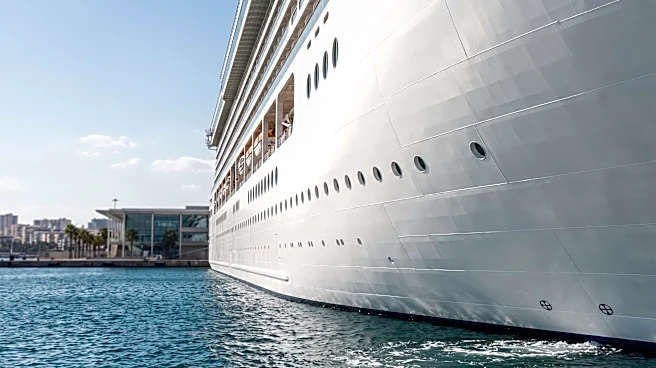
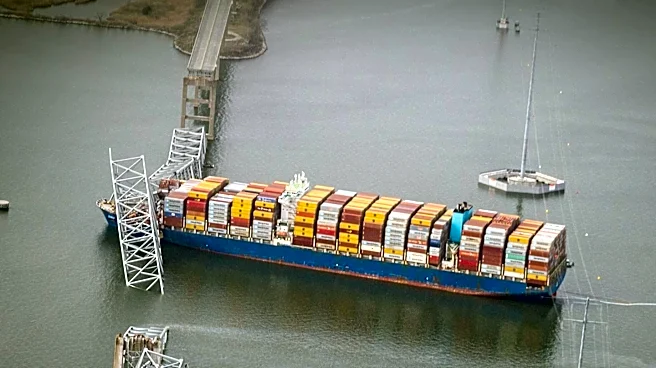
The German-owned cruise ship Mein Schiff 3 recently collided with two container ships in the North Sea. This incident occurred shortly after the Mein Schiff 3 departed on a scheduled 20-night cruise, which was intended to visit Portugal, the Canary Islands,
and Morocco. The collision resulted in damage to multiple lifeboats on the Mein Schiff 3. Following the incident, TUI Cruises, the operator of the Mein Schiff 3, made the decision to cancel the entire sailing. The ship has been pulled from service immediately to undergo necessary repairs. This event highlights the potential for unexpected disruptions in the cruise industry, even for voyages that have just begun.
Why It's Important?
This incident underscores the significant operational and financial risks faced by the cruise industry. A collision of this nature not only leads to immediate cancellation costs, including passenger refunds and rebooking expenses, but also incurs substantial repair costs for the damaged vessel. Furthermore, taking a ship out of service for repairs results in lost revenue from future bookings and potential reputational damage. For passengers, such cancellations can cause considerable inconvenience, disrupting travel plans and potentially leading to additional unexpected expenses. The incident also raises questions about maritime safety protocols and navigation in busy shipping lanes, which are crucial for maintaining passenger confidence and the smooth operation of global shipping and cruise lines.
What's Next?
TUI Cruises will now focus on the immediate repairs required for the Mein Schiff 3 to ensure its seaworthiness and safety standards are met before it can return to service. The company will also need to manage the logistics of accommodating or compensating passengers whose 20-night cruise was canceled. Investigations into the cause of the collision are likely to follow, potentially involving maritime authorities to determine liability and prevent similar incidents in the future. This could lead to reviews of navigation procedures or traffic management in the North Sea. The cruise line will also need to communicate transparently with its customers regarding future sailing schedules and any adjustments to their itineraries.
Beyond the Headlines
Beyond the immediate operational and financial impacts, this collision could prompt broader discussions within the maritime industry regarding the increasing size of cruise ships and cargo vessels, and the challenges this poses for navigation in congested waters. The incident may also influence insurance premiums for cruise lines and cargo operators, reflecting the heightened risks of such occurrences. From a passenger perspective, such events can erode trust in cruise travel, leading some to reconsider future bookings. The environmental implications of potential spills or damage to marine ecosystems, though not reported in this specific incident, are always a latent concern in maritime accidents, emphasizing the need for stringent safety and environmental protection measures.