





What's Happening?
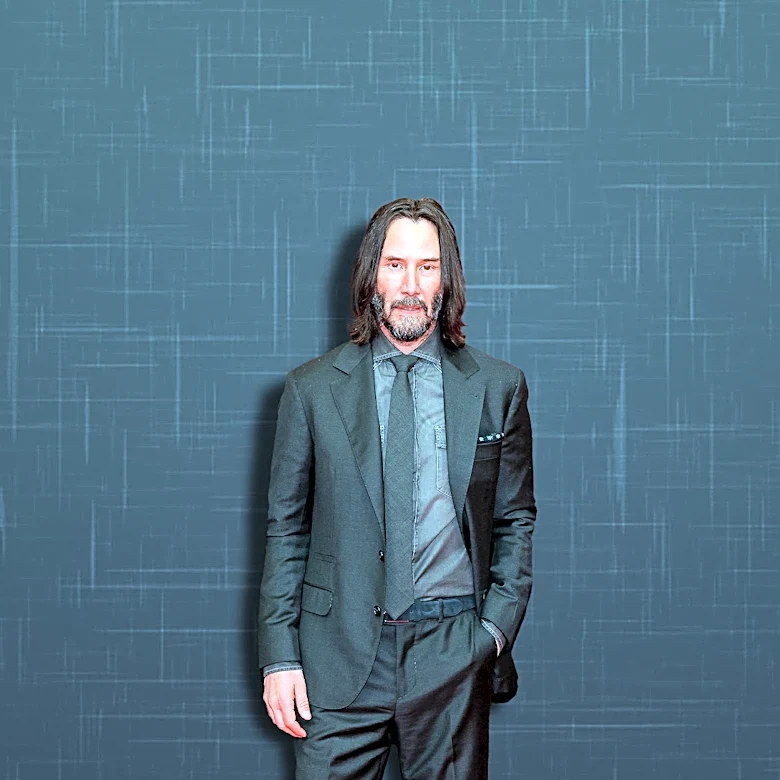
British comedian Mo Gilligan experienced significant health deterioration, including weight gain, uncontrollable sweating, and mood swings, after consuming only fried chicken for 28 days for his new Netflix documentary, 'Big Chicken: A Fast Food Conspiracy.'
The challenge, inspired by Morgan Spurlock's 'Super Size Me,' involved eating fast-food chicken for all three meals daily. Gilligan initially found the prospect enjoyable but reported a 'drastic drop' in his well-being after just one week, with conditions worsening by the second week. He also described falling into a habit of taking 'scary naps,' characterized by deep and intense sleep. Despite the negative health impacts, Gilligan noted that the food continued to taste good throughout the experiment. The documentary also delves into broader issues within the chicken industry, including racial stereotypes and the British fast-food sector, aiming to provide a comprehensive look beyond Gilligan's personal experience.
Why It's Important?
This documentary and Gilligan's experience highlight the severe health consequences associated with a diet heavily reliant on fast food, particularly fried chicken. It serves as a stark reminder of the importance of balanced nutrition and the potential for rapid health decline when consuming highly processed and calorie-dense foods exclusively. The project's exploration of the wider chicken industry and associated stereotypes adds a critical social and cultural dimension, prompting viewers to consider the broader implications of fast-food consumption beyond individual health. For the U.S. market, where fast food is a significant part of the dietary landscape, this narrative could influence public health discussions, consumer choices, and potentially spark conversations about food industry practices and marketing strategies. The documentary's approach, combining personal experience with broader industry analysis, aims to educate and raise awareness about dietary habits and their societal impact.
What's Next?
The Netflix documentary 'Big Chicken: A Fast Food Conspiracy' is now available for streaming, allowing a wide audience to witness Gilligan's experience and the documentary's broader investigation into the chicken industry. The release is likely to generate public discussion around fast-food consumption, its health implications, and the ethical considerations within the food industry. Viewers may be prompted to re-evaluate their own dietary habits and demand greater transparency from food companies. Public health organizations and nutrition advocates might leverage the documentary's findings to reinforce messages about healthy eating and the risks of processed foods. The film could also spark further media coverage and critical analysis of the fast-food sector, potentially leading to increased scrutiny of ingredient sourcing, nutritional content, and marketing practices, particularly those targeting vulnerable populations.
Beyond the Headlines
Beyond the immediate health impacts on Mo Gilligan, the documentary touches upon deeper societal issues, including the cultural significance of fried chicken and the perpetuation of racial stereotypes. By examining these aspects, 'Big Chicken: A Fast Food Conspiracy' transcends a simple health experiment to become a commentary on food, identity, and systemic issues within the fast-food industry. The film's comparison to 'Super Size Me' suggests an intent to provoke a similar level of public discourse and critical reflection on dietary choices and corporate responsibility. The ethical dimension of the food industry, particularly regarding the production and marketing of fast food, is brought to the forefront, encouraging consumers to consider the origins of their food and the broader impact of their consumption habits. This could contribute to a long-term shift in consumer awareness and potentially influence policy discussions related to food labeling, public health campaigns, and industry regulation.