


What's Happening?
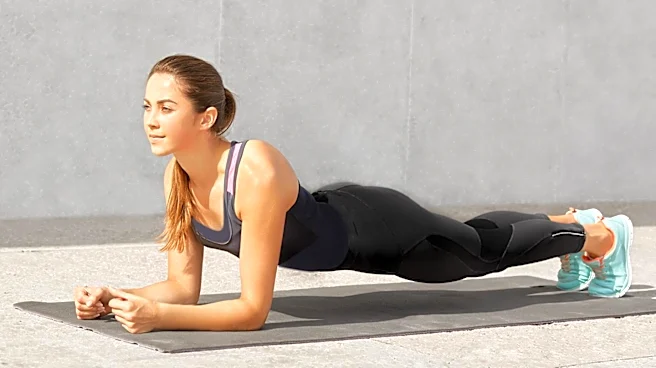
Core workouts are being highlighted for their importance in strengthening the abdominal muscles, lower back, and hips. A particular focus is placed on postpartum women, who are encouraged to engage in core exercises that prioritize deep-core activation
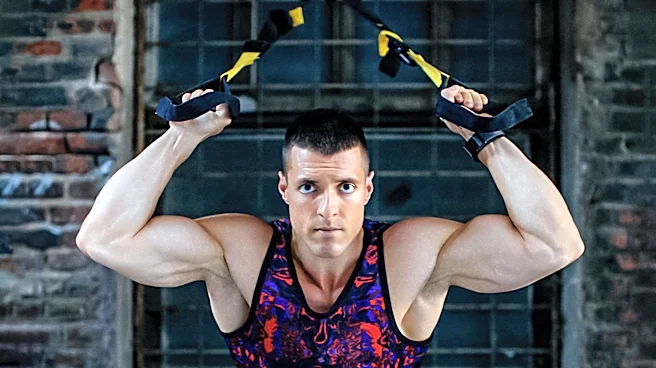
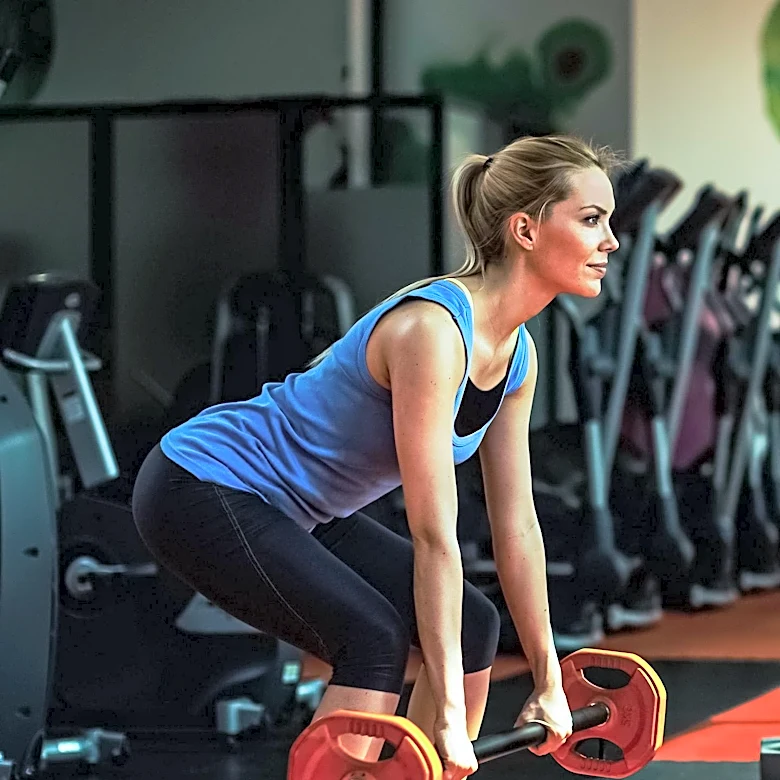
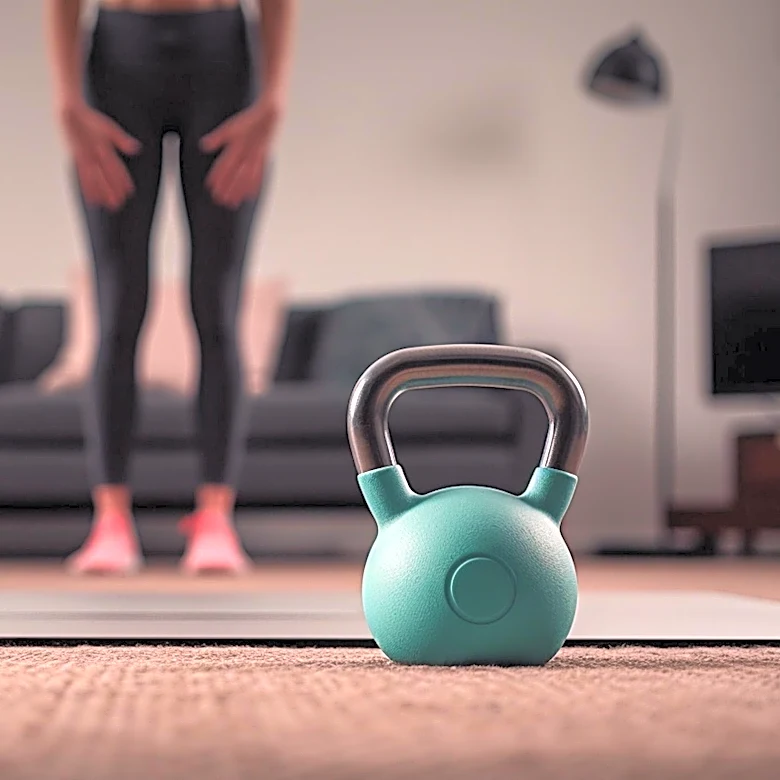
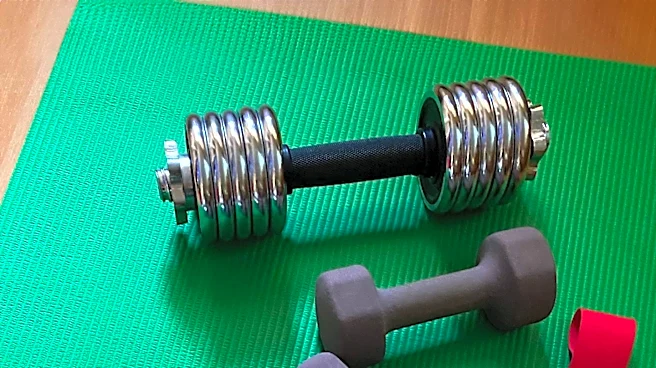
and correct muscle engagement. This approach aims to facilitate safe and effective core rebuilding after childbirth. The use of equipment such as tubing is recommended for comprehensive total body workouts that specifically target core strength and endurance. Furthermore, at-home core training can be significantly enhanced through the use of specialized equipment designed to improve stability and overall effectiveness. Standing abdominal exercises are also suggested as a method for more thoroughly toning the midsection, offering a versatile option for individuals looking to strengthen their core.
Why It's Important?
The emphasis on proper core engagement, especially for postpartum women, is crucial for public health and individual well-being. A strong core is fundamental for maintaining good posture, preventing back pain, and improving overall functional movement, which impacts daily activities and long-term health. For new mothers, safe and effective core recovery is vital for regaining physical strength and preventing potential complications such as pelvic floor dysfunction or diastasis recti. Promoting at-home core training with appropriate equipment makes these beneficial exercises more accessible to a wider population, including those with limited access to gyms or specialized fitness classes. This focus on core health can lead to a reduction in musculoskeletal issues, improved athletic performance, and enhanced quality of life across various demographics.
What's Next?
The continued promotion of core workout techniques, particularly those emphasizing deep-core activation and proper muscle engagement, is expected. Fitness professionals and healthcare providers may further integrate these recommendations into postpartum recovery programs and general fitness guidance. The market for at-home core training equipment, including items like tubing and stability-enhancing tools, is likely to see continued growth as more individuals seek convenient and effective ways to strengthen their core. Educational initiatives focusing on the benefits of standing ab exercises and other core-strengthening methods could also expand, reaching a broader audience interested in improving their midsection toning and overall core health. This trend suggests a growing awareness and adoption of targeted core strengthening practices.
Beyond the Headlines
The focus on core workouts, particularly for postpartum women, extends beyond physical fitness to broader societal implications regarding women's health and body image. By emphasizing safe and effective recovery, it challenges unrealistic post-pregnancy body expectations and promotes a healthier, more sustainable approach to physical well-being. The accessibility of at-home core training equipment also democratizes fitness, allowing individuals from diverse socioeconomic backgrounds to prioritize their core health without the need for expensive gym memberships. This shift can foster a more inclusive fitness culture that values functional strength and long-term health over superficial aesthetics, potentially influencing how fitness is marketed and perceived in the U.S.