







What's Happening?
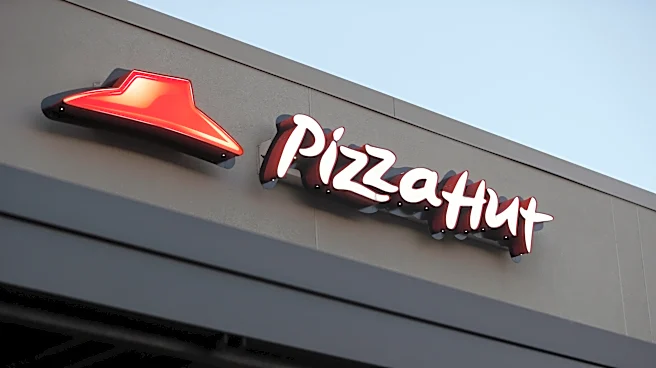
Yum Brands has announced the sale of its Pizza Hut chain for a total of $2.7 billion through two separate deals. The U.S. and international operations, excluding China, will be acquired by LongRange Capital for $1.5 billion. These operations have faced
challenges such as rising inflation, higher commodity costs, and a shift in consumer preferences towards healthier options, leading to a decline in U.S. Pizza Hut sales for ten consecutive quarters. Meanwhile, Yum China Holdings will purchase the China operations for $1.2 billion. The China business, which includes 4,375 stores, has been performing well, with plans for further expansion. This move allows Yum China to have greater control over its operations in a key market.
Why It's Important?
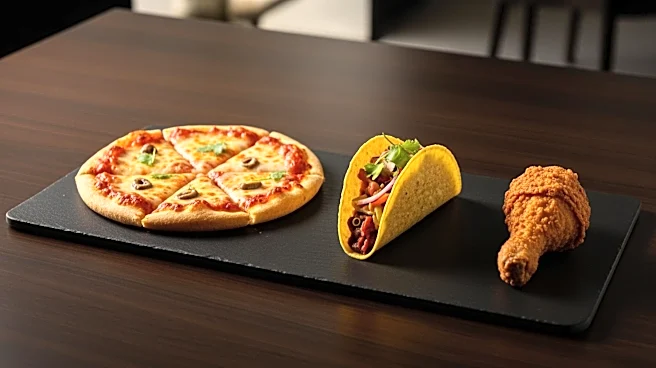
This transaction underscores the strategic shift in Yum Brands' global operations, reflecting the different market dynamics in China compared to the rest of the world. For Yum Brands, the sale allows a focus on its other brands, Taco Bell and KFC, while addressing the challenges faced by Pizza Hut in the U.S. and other markets. For LongRange Capital, acquiring a globally recognized brand like Pizza Hut presents an opportunity to revitalize its operations outside China. In China, Yum China's acquisition aligns with a broader trend of U.S. companies transferring control to local operators to better navigate local market conditions. This could lead to increased competition and innovation in the Chinese casual dining sector.
What's Next?
The sale is expected to close in the third quarter of 2026, pending regulatory approvals. Yum China plans to continue expanding its Pizza Hut operations, aiming to reach over 6,000 outlets by 2028. The company will likely focus on localizing its offerings to cater to Chinese consumers' preferences, which has already shown success with increased sales and profits. LongRange Capital will need to address the challenges facing Pizza Hut in the U.S. and other markets, potentially through strategic changes in menu offerings and marketing strategies to attract health-conscious consumers.
Beyond the Headlines
The sale of Pizza Hut's operations reflects a broader trend of globalization and localization in the food industry. As companies like Yum Brands adapt to varying market conditions, they may increasingly rely on local expertise to drive growth. This could lead to more tailored and culturally relevant offerings in different regions, potentially reshaping the global fast-food landscape. Additionally, the focus on healthier options in the U.S. market may prompt other fast-food chains to reevaluate their menus to align with changing consumer preferences.