
What's Happening?
Maybelline, owned by L'Oréal, has introduced a new tagline: 'Maybe. We’re born with it. Maybe. It’s Maybelline.' This new slogan is a revised version of their long-standing and recognizable phrase, 'Maybe she’s
born with it, maybe it’s Maybelline,' which was used for approximately 35 years. The change has been met with confusion and criticism, with many finding the new phrasing syntactically awkward and nonsensical. Sandrine Jolly, Maybelline’s global brand president, stated that the aim was to remove ambiguity and align with a modern era of self-expression, moving 'from the question to the statement.' However, critics argue that the new slogan, with its added punctuation, creates more ambiguity and reads like a riddle rather than a clear statement.
Why It's Important?
This rebranding effort by Maybelline is significant for the beauty industry and marketing strategies. A well-known slogan is a crucial part of a brand's identity and consumer recognition. Altering such a foundational element carries substantial risks, as it can alienate long-time customers and dilute brand messaging. The criticism highlights the challenges companies face in attempting to modernize their image while retaining brand equity. The move also reflects a broader trend in marketing where brands try to connect with contemporary values like self-expression and inclusivity, as indicated by the shift from 'she' to 'we.' However, if the execution is flawed, as critics suggest, it can lead to negative public perception and potentially impact sales and market share in a highly competitive sector.
What's Next?
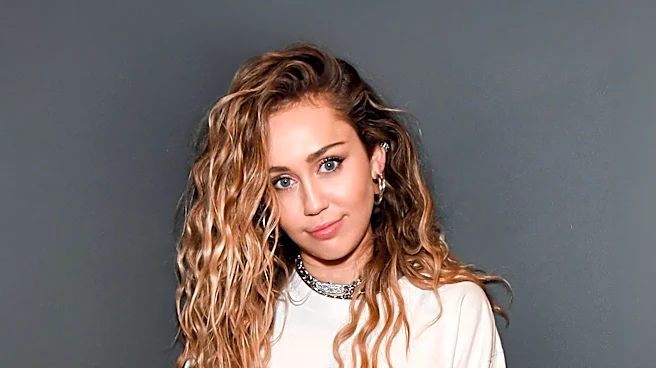
Maybelline will likely continue to roll out its new campaign, featuring Miley Cyrus, to embed the revised slogan into public consciousness. The company will need to monitor consumer reactions closely to assess the effectiveness of the change. If the negative feedback persists or intensifies, Maybelline might face pressure to clarify its messaging or even reconsider the slogan in the long term. Competitors in the beauty market may capitalize on any perceived missteps by Maybelline. The incident could also prompt other established brands to re-evaluate their own rebranding strategies, emphasizing the importance of clear, coherent messaging over attempts at perceived modernity that sacrifice meaning.
Beyond the Headlines
The Maybelline slogan change delves into the deeper implications of language, meaning, and brand communication in the digital age. The criticism underscores how consumers are increasingly discerning about authenticity and clarity in marketing. The attempt to remove 'ambiguity' by adding punctuation, yet inadvertently creating more, highlights a potential disconnect between corporate marketing intentions and actual consumer interpretation. This situation could serve as a case study in the perils of overthinking or over-complicating established brand identities in pursuit of a new demographic or cultural relevance. It also raises questions about the role of 'word-salad' taglines, as seen with Hailey Bieber's Rhode, and whether such approaches are genuinely effective or merely generate fleeting buzz without lasting positive impact.