



What's Happening?
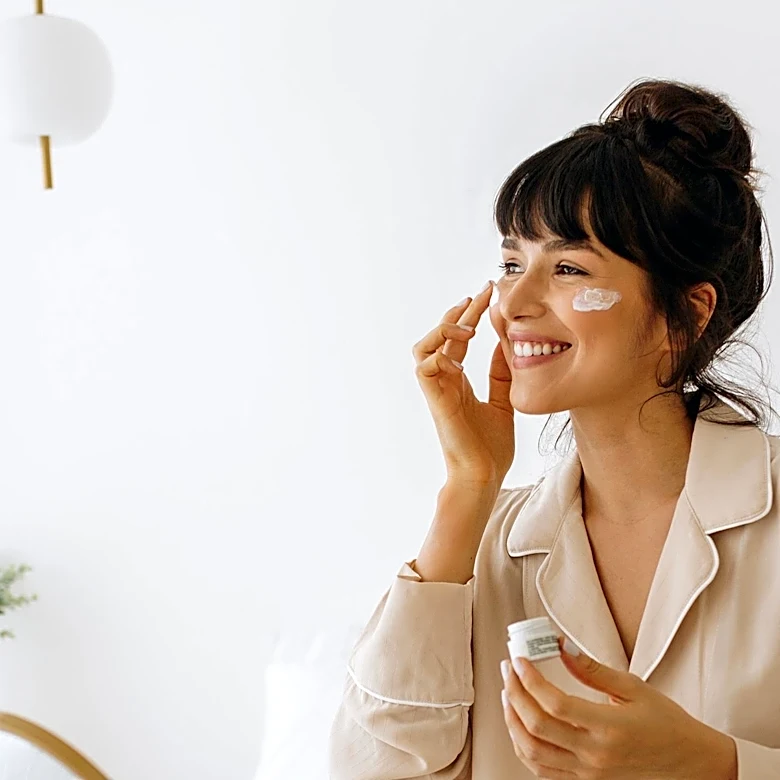
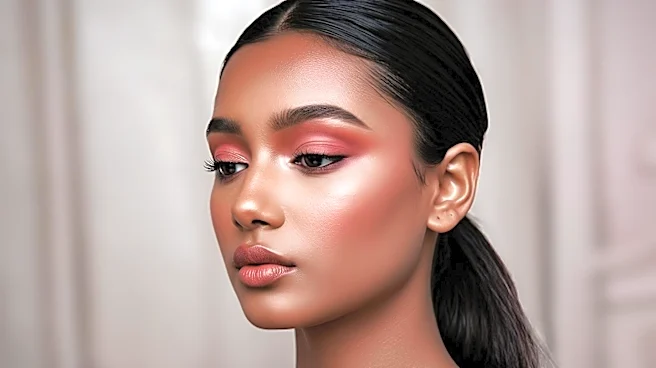
Dermatologists are issuing warnings regarding the 'glass skin' trend, a Korean skincare regimen popularized on platforms like TikTok, which involves layering multiple products to achieve a smooth, translucent complexion. The American Academy of Dermatology,
as reported by CNN, indicates that this multi-step approach can lead to clogged pores, irritation, and acne. Research presented at the European Academy of Dermatology and Venereology congress highlighted that many social media videos promoting glass skin routines often lack basic safety information. An analysis of 38 popular TikTok videos found that 94.7% contained potentially misleading claims, with 84% failing to address different skin types and 45% recommending combining multiple active ingredients without safety guidance. Only one video mentioned irritation risks, and none were made by dermatologists. Another study examined 94 patients who developed new or worsening skin conditions after using social media-influenced products, with chemical exfoliants, over-the-counter retinoids, and vitamin C serums being common culprits. Many of these patients were using three or more active ingredients simultaneously, resulting in conditions like irritant contact dermatitis and acne.
Why It's Important?
The warnings from dermatologists are crucial for public health, particularly given the widespread influence of social media on beauty trends. The 'glass skin' trend, while aiming for a desirable aesthetic, can inadvertently lead to significant skin health issues, including barrier damage, contact dermatitis, and exacerbated acne. This highlights a critical gap in consumer education, where visually appealing content on platforms like TikTok often overshadows professional medical advice. The lack of dermatological input in many viral skincare routines means that users, especially younger individuals, are exposed to potentially harmful practices without adequate understanding of their skin types or ingredient interactions. The financial implications are also notable, as consumers may invest in numerous products that not only fail to deliver promised results but also necessitate further medical treatment for adverse reactions. This situation underscores the need for greater scrutiny of beauty advice disseminated online and for consumers to prioritize professional guidance over viral trends.
What's Next?
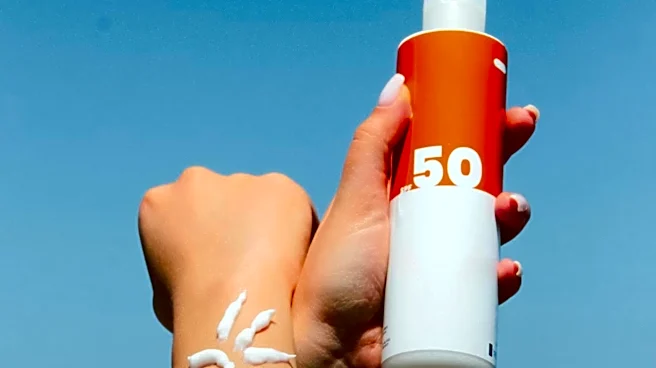
In response to these concerns, there is a growing call for more responsible content creation on social media platforms regarding skincare. Dermatologists recommend a more cautious approach, advising individuals to introduce new products one at a time to monitor skin reactions and to consistently use sunscreen with an SPF of 30 or higher daily. The emphasis is shifting from complex, multi-step routines to simpler, more tailored approaches that prioritize skin health and protection. Educational campaigns from dermatological associations and healthcare providers are likely to increase, aiming to counteract misinformation and promote evidence-based skincare practices. Consumers may also become more discerning, seeking out products and routines endorsed by professionals rather than solely relying on influencer recommendations. The beauty industry might also face pressure to provide clearer guidance on product usage and potential interactions, especially for products containing active ingredients.
Beyond the Headlines
The 'glass skin' phenomenon and the subsequent dermatological warnings reveal deeper societal implications concerning the pursuit of idealized beauty standards and the impact of digital culture on personal health. The trend reflects a broader cultural shift towards aspirational aesthetics, often amplified by social media filters and curated online personas, which can create unrealistic expectations for physical appearance. This constant exposure to 'perfect' skin can foster body image issues and encourage individuals to undertake extreme or potentially harmful measures to achieve these ideals. Furthermore, the reliance on social media influencers, many of whom lack medical expertise, for health-related advice underscores a growing distrust in traditional authorities and a preference for peer-driven information. This trend highlights the ethical responsibility of social media platforms to moderate health and beauty content, ensuring that users are not inadvertently exposed to harmful practices. It also calls for a re-evaluation of how beauty is marketed and consumed, advocating for authenticity, health, and individualized care over fleeting trends.