





What's Happening?
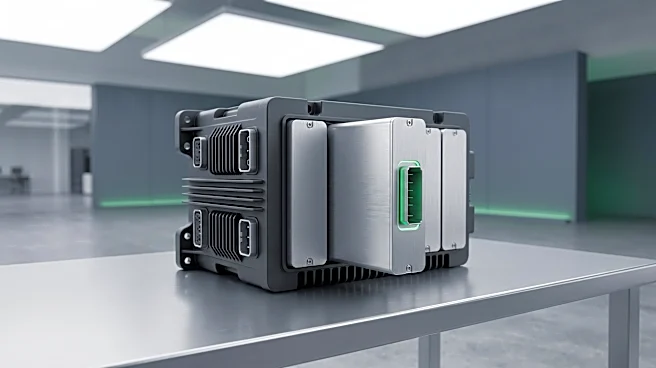
BAE Systems is implementing a new approach to transit bus maintenance through its Modular Accessory Power System (MAPS). This system allows for in-house repairs of power electronics, reducing the need to send entire units off-site. Historically, BAE Systems has
supported on-site technical expertise for transit bus staff. The MAPS technology utilizes a modular architecture, where different functional sections are integrated into a single component and cooling system, catering to all accessory needs of a bus. This design enables trained technicians to access and service individual sections of the power inverter in the field, rather than replacing or shipping the entire unit. Allison Vaughan, Manager of Customer Service and Support for BAE Systems, stated that this process empowers transit agencies to service MAPS directly at their maintenance facilities. The system also features advanced diagnostic capabilities, allowing technicians to pinpoint issues down to the individual module level before ordering replacement hardware, streamlining the repair process and managing costs more effectively.
Why It's Important?
This development is significant for the U.S. transit industry as it directly addresses critical operational challenges faced by bus agencies. By enabling in-house repairs, BAE Systems' MAPS can substantially reduce bus downtime, a key factor in maintaining efficient public transportation services. The ability to service power electronics locally means quicker turnaround times for repairs, which translates to more buses available for service and improved reliability for commuters. Furthermore, this approach can lead to significant cost savings for transit agencies by minimizing shipping expenses and potentially reducing the overall cost of maintenance. As electrification becomes more prevalent in transit fleets, the need for sophisticated power management technology and high-voltage system expertise in local garages is growing. This initiative helps bridge that gap by transferring advanced service capabilities to the technicians who operate and maintain these vehicles daily, ensuring a smoother transition to and operation of electric bus technologies.
What's Next?
BAE Systems plans to continue rolling out this process, providing transit agencies with the capability to service MAPS independently. This includes offering expanded training units that physically separate individual sections of the system, allowing technicians to gain hands-on experience and build the necessary skills for diagnosing and troubleshooting at the module level. The company anticipates that this modular approach to service will become increasingly crucial as transit garages adapt to the complexities of electric vehicles and their associated power electronics. The focus will be on further empowering local maintenance teams to handle sophisticated repairs, thereby reducing reliance on external support and optimizing operational efficiency. This shift is expected to support the broader adoption of electric transit buses by making their maintenance more manageable and cost-effective for agencies across the U.S.
Beyond the Headlines
The shift towards in-house, modular maintenance for transit buses represents a broader trend in industrial and technological sectors: decentralization of complex repairs and empowerment of local workforces. This approach not only enhances operational efficiency but also fosters a more skilled and self-reliant technical workforce within transit agencies. By providing detailed diagnostic tools and hands-on training, BAE Systems is contributing to the professional development of technicians, equipping them with the expertise needed for the evolving landscape of electric vehicle technology. This could lead to a ripple effect, encouraging other manufacturers to adopt similar service models and potentially influencing educational and vocational training programs to include more specialized modules on advanced power electronics. Ultimately, this move supports the long-term sustainability and resilience of public transportation infrastructure in the U.S., making it less vulnerable to external service delays and more adaptable to technological advancements.