







What's Happening?
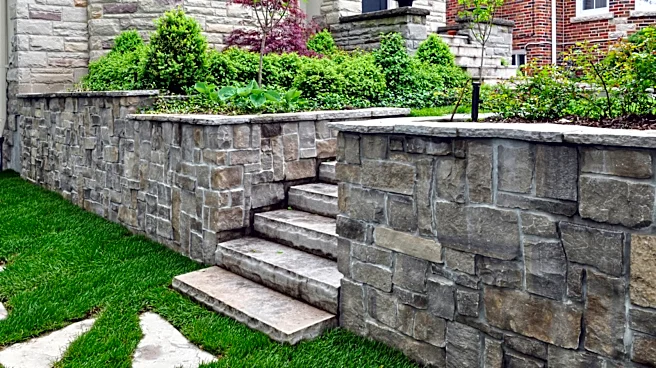
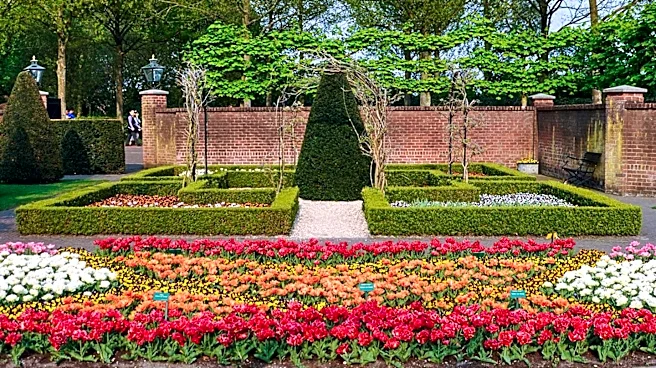
Formal garden design, characterized by structure, geometry, and symmetry, can be adapted to small spaces using specific plant choices. Key plants for a formal garden include evergreen shrubs like yew and boxwood, which provide year-round structure and can be shaped
into topiary. Other recommended plants include roses for color and scent, dwarf hydrangeas for long-lasting blooms, and catmint for its aromatic and pollinator-friendly properties. The design emphasizes simplicity, repetition, and the use of vertical space to create a sophisticated and harmonious garden environment.
Why It's Important?
Formal gardens offer a sense of order and tranquility, making them appealing for urban and small-space gardeners seeking a peaceful retreat. By selecting plants that provide structure and year-round interest, gardeners can create a visually appealing space that requires minimal maintenance. The emphasis on simplicity and repetition helps prevent overcrowding and chaos in small gardens, while the use of vertical space maximizes the available area. This approach allows gardeners to enjoy the benefits of a formal garden without the need for a large estate.