



What's Happening?
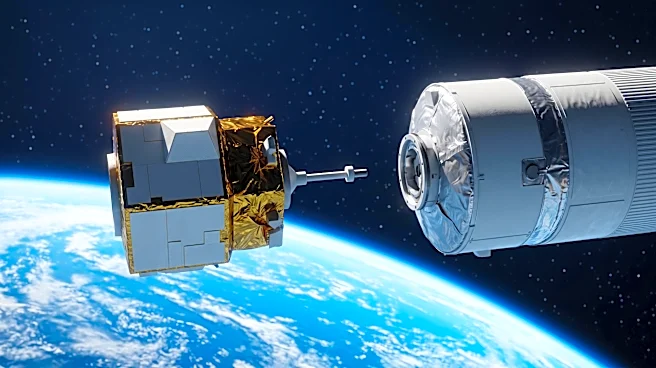
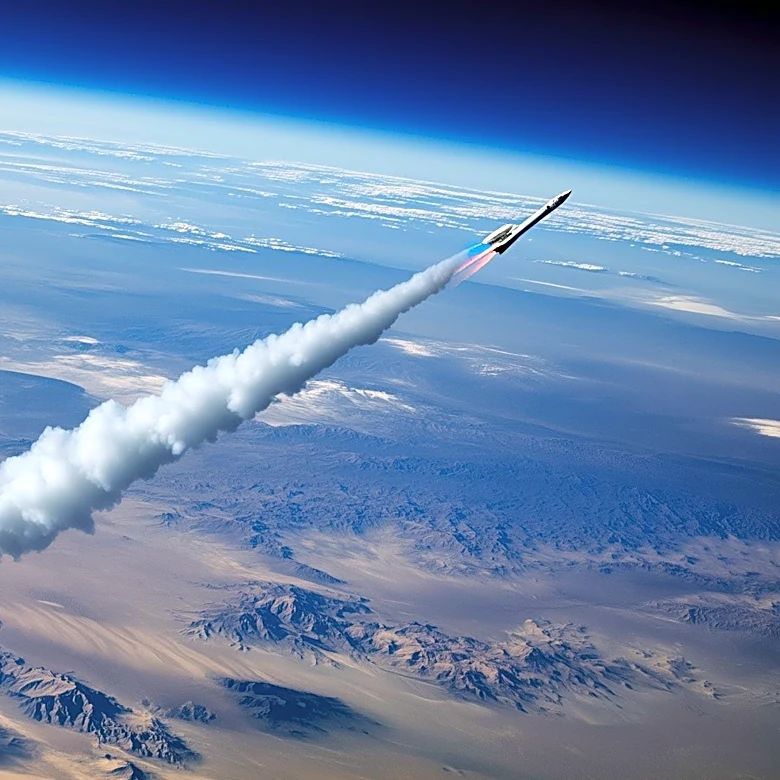
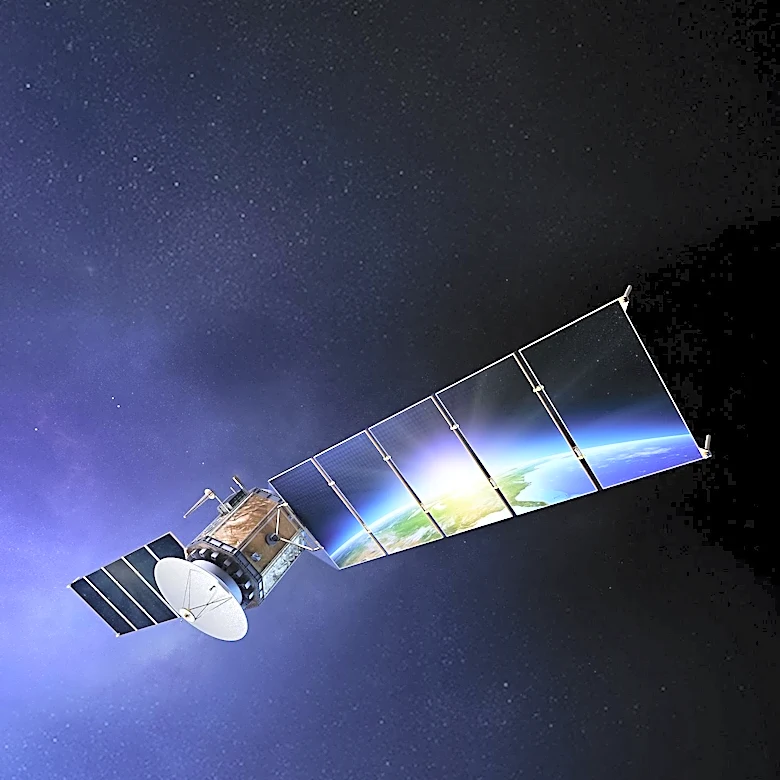
OrbitAID Aerospace, an Indian company, is preparing to launch a demonstration mission in Q1 2027 to showcase its satellite life-extension capabilities in Low Earth Orbit (LEO). This mission will involve two satellites: a chaser and a target. The chaser satellite will perform
a series of operations, including inspecting and characterizing the target satellite using its sensors, approaching and docking with it, transferring fuel, and then raising the target satellite to a higher orbit. This comprehensive approach aims to prove the entire satellite life extension process in a single flight, distinguishing it from previous demonstrations that typically qualified only isolated parts of the sequence, such as far-range inspection or close-approach maneuvering. OrbitAID Aerospace is utilizing its proprietary hardware and software for this mission, including the docking interface and an autonomous Rendezvous and Proximity Operations (RPO) program. The company states that its reliance on internal technology and a controlled supply chain allowed for rapid development, moving from design to launch readiness in just 11 months.
Why It's Important?
This mission is significant for the U.S. space industry and its stakeholders as it addresses the growing need for in-orbit servicing and sustainability. The ability to refuel and reposition satellites can extend their operational lifespan, reducing the frequency of new satellite launches and the associated costs. This could lead to substantial savings for satellite operators, including those supporting U.S. government and commercial interests. Furthermore, successful in-orbit servicing could enhance the resilience and flexibility of satellite constellations critical for communication, navigation, and national security. Companies involved in satellite manufacturing, launch services, and ground operations could see shifts in demand and business models. The development of robust RPO technologies, as demonstrated by OrbitAID, is crucial for future space endeavors, including debris removal and on-orbit assembly, which are areas of increasing focus for U.S. space agencies and private companies. The success of such missions could also influence international standards and collaborations in space operations.
What's Next?
Following the planned LEO demonstration in Q1 2027, OrbitAID Aerospace intends to transition directly to a commercial life-extension mission in Geostationary Earth Orbit (GEO). The company views GEO as the larger market for satellite life extension services and is already engaged in commercial discussions for this subsequent mission. The hardware and lessons learned from the LEO demonstration are expected to be directly applicable to the GEO mission. The success of these missions could pave the way for broader adoption of in-orbit servicing capabilities across the global satellite industry. Potential reactions from major stakeholders include increased investment in similar technologies by competing companies, policy discussions regarding the regulation of in-orbit servicing, and potential partnerships between U.S. and international entities to develop and deploy these services. The outcome of OrbitAID's demonstration will likely influence the pace and direction of the burgeoning space servicing market.
Beyond the Headlines
The development of in-orbit refueling and life-extension capabilities, as pursued by OrbitAID Aerospace, carries deeper implications for the long-term sustainability and economics of space operations. Ethically, extending the life of satellites could reduce the generation of space debris by delaying the need to replace aging spacecraft, contributing to a cleaner orbital environment. Legally, the increasing complexity of in-orbit operations, particularly those involving close proximity and interaction between satellites from different operators or nations, will necessitate the development of clearer international guidelines and regulations to prevent collisions and ensure responsible conduct. Culturally, the ability to maintain and upgrade assets in space could shift perceptions of space as a finite resource, moving towards a model of continuous utilization and maintenance. This technological advancement could also trigger long-term shifts in satellite design, favoring modularity and serviceability, and potentially fostering a more circular economy in space, where components are repaired or replaced rather than entire satellites being discarded.