






What's Happening?
Nestlé has announced the closure of its Solon, Ohio pouch manufacturing facility, with operations slated to cease by the end of 2027. The production activities currently conducted at the Solon plant will be relocated to Gaffney, South Carolina. This decision
is attributed to shifting customer demand and production volumes, which Nestlé states necessitate an expansion of capabilities elsewhere in its manufacturing network to ensure a more sustainable operational model. While the manufacturing facility will close, the broader Solon campus, which houses research and development (R&D) and corporate operations, will remain open. Additionally, all other Nestlé production facilities in Ohio, including the Streetsboro Distribution Center and the West 25th factory in Cleveland, are unaffected by this closure. Nestlé currently employs nearly 3,000 people across seven facilities in Ohio, and the exact number of employees directly impacted by this change has not yet been disclosed. The company has stated its priority is to support affected employees through separation benefits and transition assistance, in collaboration with state and local partners, and has indicated that opportunities may be available at other Nestlé manufacturing facilities within Ohio.
Why It's Important?
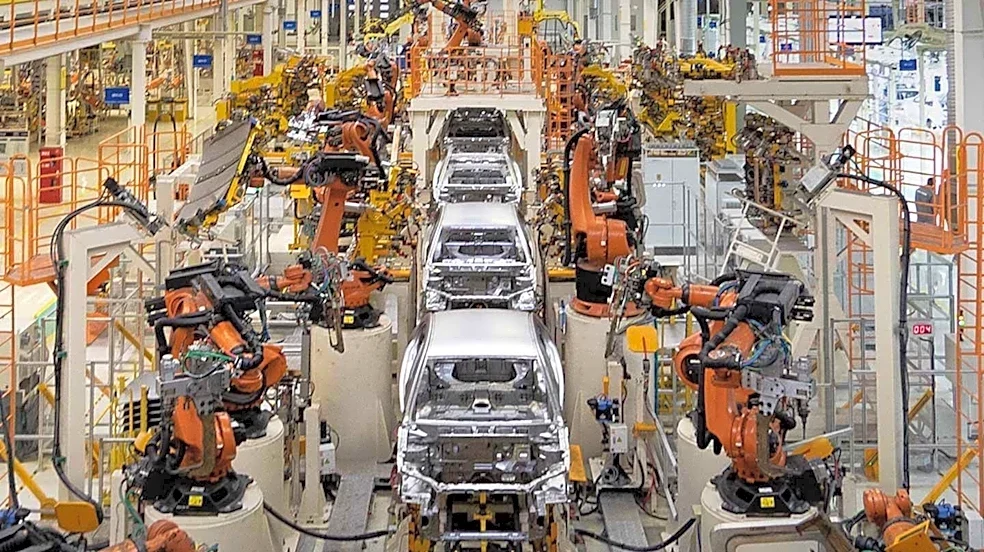
This closure is significant as it reflects a broader trend within the U.S. food and beverage industry towards manufacturing consolidation and increased operational efficiency. Manufacturers are reassessing their factory networks, which have often grown over decades, to reduce costs, improve efficiency, and adapt to evolving consumer demands. Older facilities that no longer align with long-term operational strategies are facing increased scrutiny. For Nestlé, this move underscores the growing importance of operational efficiency within its overall growth strategy, as the company seeks to build leaner and more productive supply networks. The relocation of production to South Carolina is also consistent with a wider trend of food manufacturers investing in the U.S. Southeast, drawn by factors such as available capacity, logistical advantages, and opportunities to streamline operations. This shift impacts local economies, as communities like Solon face job losses, while regions like Gaffney may see economic benefits from new investments and employment opportunities. The emphasis on maximizing output from efficient facilities rather than spreading production across multiple sites highlights a strategic pivot for major food producers in the U.S. market.
What's Next?
Nestlé's immediate next steps involve supporting the employees affected by the Solon factory closure. The company plans to provide separation benefits and transition assistance, working with state and local partners. While moving to South Carolina may not be practical for many employees, Nestlé has indicated that other opportunities within its Ohio manufacturing facilities might be available. Over the next few years, Nestlé will manage the phased transition of production from Solon to Gaffney, South Carolina, aiming for completion by the end of 2027. This period will involve significant logistical and operational adjustments to ensure a smooth transfer of manufacturing capabilities. The company will also continue to evaluate its manufacturing footprint across the U.S. to align with changing market demands and maintain operational competitiveness. This strategic realignment is part of Nestlé's ongoing efforts to optimize its supply chain and focus on facilities that offer greater scale and efficiency, potentially leading to further consolidations or investments in other regions.
Beyond the Headlines
The closure of Nestlé's Solon factory extends beyond immediate job impacts, signaling a deeper transformation within the U.S. manufacturing landscape. This move highlights the increasing pressure on companies to achieve higher capacity utilization and streamline complex supply chains, often built through years of acquisitions and expansions. The decision to relocate to the U.S. Southeast suggests a strategic shift in industrial geography, driven by factors such as lower operating costs, favorable logistics, and potentially more modern infrastructure. This trend could lead to a concentration of manufacturing hubs in specific regions, impacting labor markets and economic development in both the departing and receiving communities. Furthermore, it raises questions about the long-term viability of older industrial facilities and the need for communities to diversify their economic bases. The emphasis on operational efficiency, even at the cost of closing long-standing facilities, reflects a competitive environment where profitability is increasingly tied to lean production and optimized networks, influencing future investment decisions across the food and beverage sector.