



What's Happening?
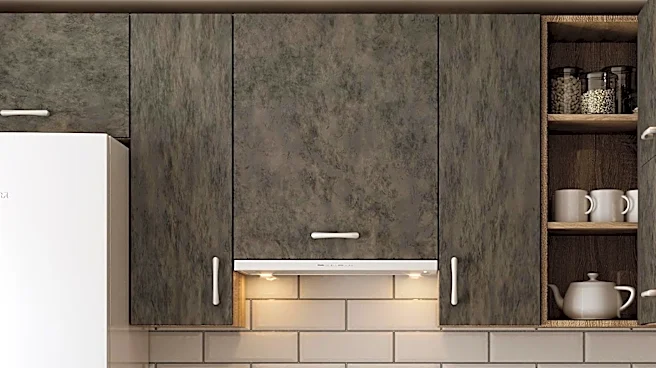
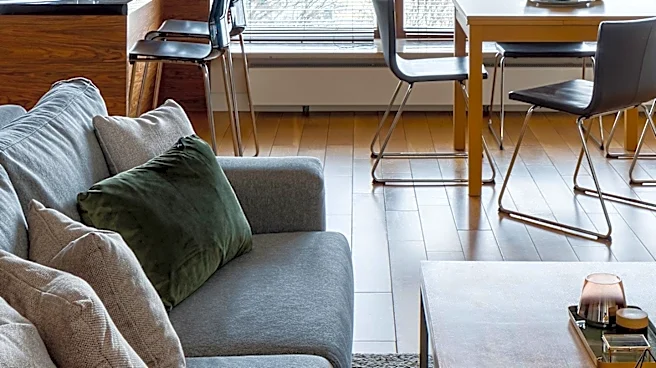
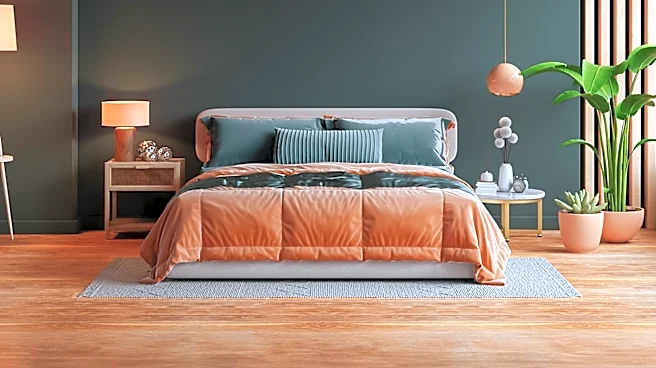
Decorating small spaces can be challenging, and common mistakes can make them feel even smaller. Interior designers highlight errors such as using uniformly small-scale furniture, failing to maximize functionality, and choosing overly dark colors. These
mistakes can lead to clutter and a cramped feeling. Instead, designers recommend using multipurpose furniture, incorporating vertical storage, and selecting lighter colors to create an open and airy atmosphere. Thoughtful layering and mixing well-scaled pieces can also add dimension and prevent a flat, stale look.
Why It's Important?
Understanding how to effectively decorate small spaces is crucial as urban living becomes more prevalent and space constraints become a common issue. By avoiding common decorating mistakes, homeowners can create more functional and visually appealing environments. This knowledge is particularly valuable for those living in apartments or smaller homes, where every inch of space counts. Effective use of space can enhance comfort and livability, making small homes more enjoyable and practical.
What's Next?
As more people seek to optimize their living spaces, the demand for expert advice and innovative solutions in interior design is likely to grow. Designers may continue to develop new strategies and products that cater to the needs of small-space living. This could include more versatile furniture options and creative storage solutions. Additionally, as remote work becomes more common, the need for multifunctional spaces that can accommodate both work and leisure will likely increase, driving further innovation in home design.
Beyond the Headlines
The focus on maximizing functionality and avoiding clutter in small spaces reflects broader lifestyle trends towards minimalism and sustainability. By choosing furniture and decor that serve multiple purposes, consumers can reduce waste and make more environmentally conscious choices. This approach also aligns with a growing preference for experiences over material possessions, as people seek to create homes that support their lifestyles and values. As such, effective small-space design is not just about aesthetics but also about creating environments that enhance well-being and quality of life.