

What's Happening?
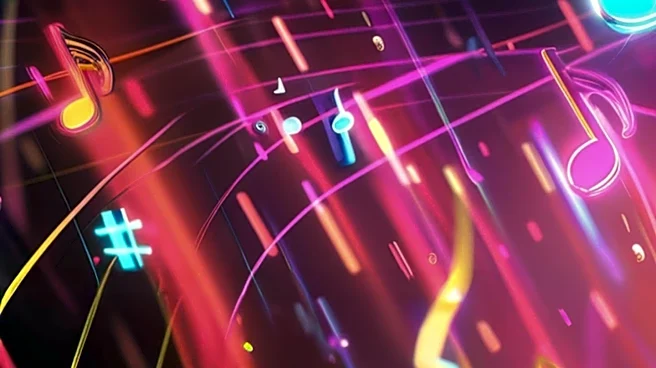
Generative AI is revolutionizing music creation by making it accessible to a broader audience, including individuals without traditional musical training. AI systems can now generate full songs, instrumental music, beats, melodies, chord progressions,
lyrics, vocals, sound effects, and remixes based on user prompts. This technology significantly lowers the barrier to entry for music production, as it no longer requires extensive technical knowledge of instruments, songwriting, recording, or expensive studio software. For instance, a user can type a description like 'Create an upbeat indie-pop instrumental with acoustic guitar, drums and a summery feel,' and the AI will generate audio. Generative AI also acts as a creative assistant for songwriting, helping with concepts, chorus ideas, rhyming structures, and alternative lyrics. It enables beginners to experiment with various genres and can help experienced musicians accelerate their workflow by generating demo ideas, placeholder vocals, and background textures.
Why It's Important?
The advent of generative AI in music creation has profound implications for the music industry and creative arts. It democratizes music production, potentially turning millions of people into casual music creators, much like smartphones transformed photography. This shift could lead to an explosion of new musical content and diverse artistic expressions, as individuals can explore ideas and genres without the traditional constraints of technical skill or costly equipment. For professional musicians, AI can serve as a powerful brainstorming partner, helping to overcome creative blocks and streamline production processes, allowing them to focus more on artistic decisions. However, this also raises critical questions about copyright, ownership, and fair compensation for artists, especially concerning the use of existing music in AI training data. The increased accessibility could also lead to a saturation of the market, making it harder for unique voices to stand out, while simultaneously fostering new types of creators, such as YouTubers generating their own background music or game developers creating original soundtracks.
What's Next?
The future of music creation will likely involve a deeper collaboration between humans and AI. As AI tools improve, the interaction with music software could become more conversational, allowing creators to express their ideas in natural language rather than through complex technical interfaces. This could further expand the audience for music creation software. Generative AI may also serve as a gateway into traditional music production, inspiring new creators to learn instruments, songwriting, mixing, and mastering as they seek more control over their artistic output. The ongoing debate around the ethical use of AI in music, particularly concerning intellectual property and artist compensation, will continue to evolve, potentially leading to new regulatory frameworks and industry standards. Ultimately, the biggest impact of generative AI may not be replacing existing music creators but rather fostering millions of new ones, fundamentally changing the balance between music consumption and creation.
Beyond the Headlines
The rise of generative AI in music creation extends beyond mere technological advancement; it challenges our understanding of creativity, artistry, and the value of human skill. If AI can generate music, what then defines a 'musician' or a 'composer'? The article suggests that human 'taste' will become increasingly valuable, as creators will need to discern which AI-generated ideas are truly good and how to refine them with emotion, originality, and artistic identity. This shift could redefine the role of the artist, moving from sole creator to curator and editor of AI-generated content. Furthermore, the ability of AI to mimic and combine different musical styles raises questions about authenticity and the potential for homogenization in music. While AI offers unprecedented opportunities for experimentation and innovation, it also necessitates a critical examination of how we preserve the unique human element in artistic expression and ensure that technology serves as an enhancement rather than a replacement for genuine human creativity and emotional depth.